Best Blue Light Glasses for Remote Workers 2026: 4 Picks
Blue light glasses won't cure eye strain, but GUNNAR's slight magnification genuinely reduces focus fatigue, and deep-tinted evening lenses like TrueDark have real sleep benefits backed by research.
Quick Answer
Clinical evidence for blue light glasses blocking screen eye strain is weak — a 2021 Cochrane review found no significant benefit. The more effective interventions are the 20-20-20 rule (every 20 min, look 20 ft away for 20 sec), lowering screen brightness at night, and enabling Night Shift/Night Mode on your OS.
 #1 4.5 | 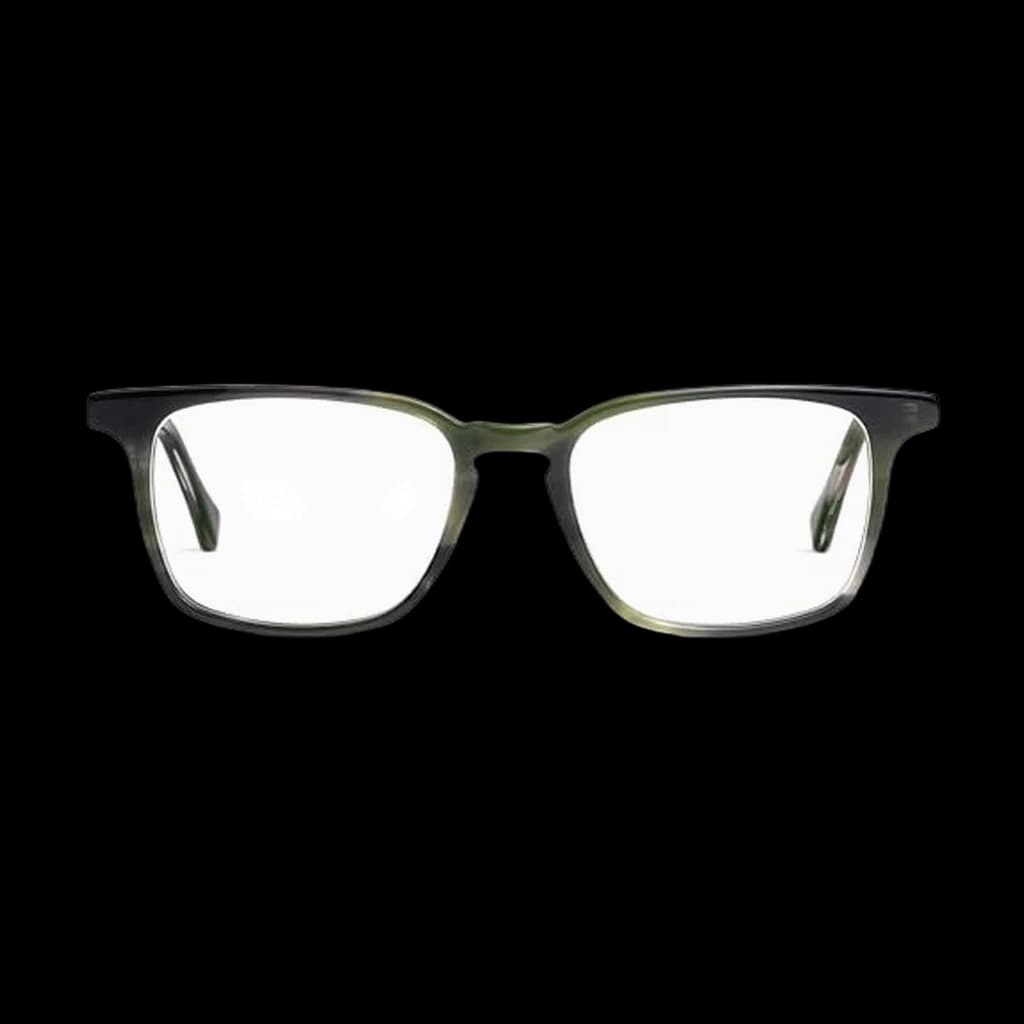 #2 4.3 | 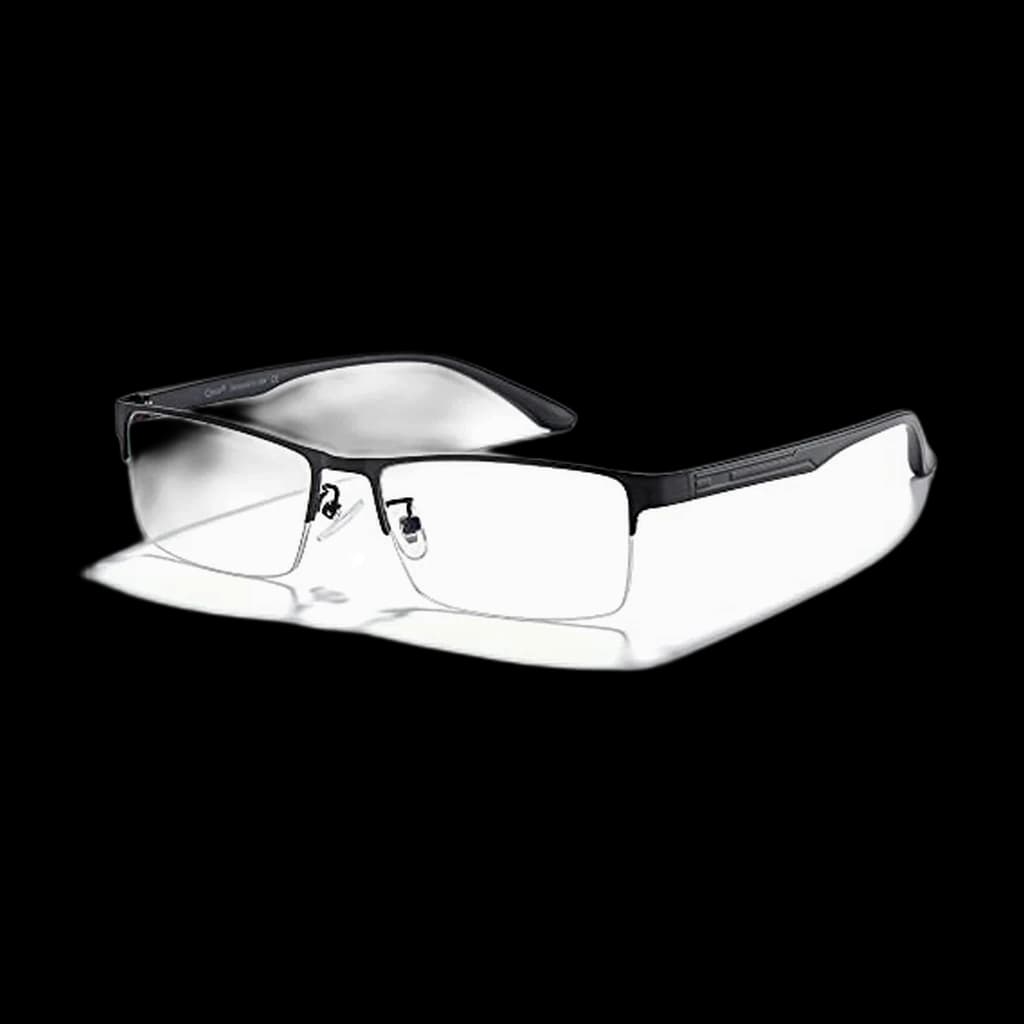 #3 4.2 | 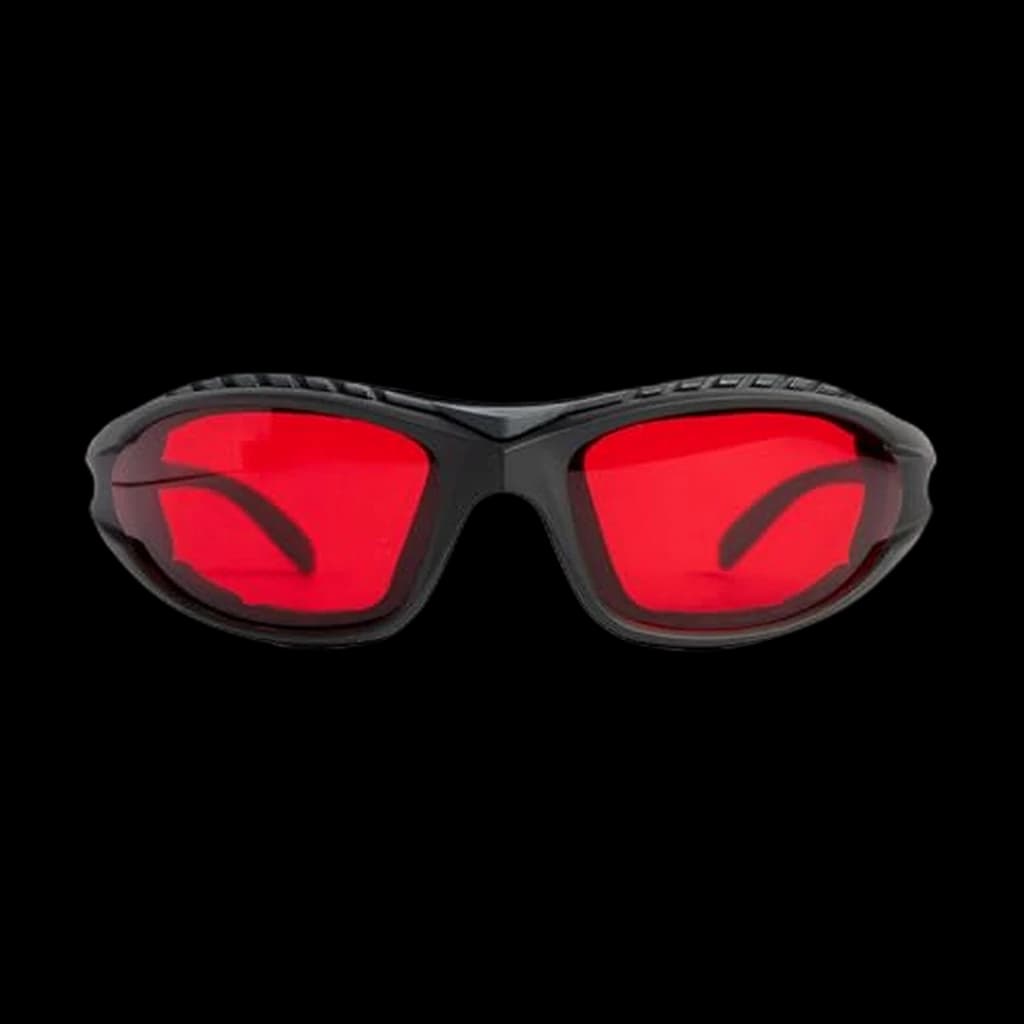 #4 4.1 | |
|---|---|---|---|---|
| Price | $49.99Buy on Amazon | $129Buy Direct | $22.99Buy on Amazon | $165Buy on Amazon |
| Verdict | Best overall for daytime use | Best clear lens option | Best budget blue light glasses | Best for evening and sleep |
| Buyer sentiment | Eye Strain Lens Quality Value for money Appearance Durability Buyers praise eye strain, lens quality, value for money and appearance. Mixed feedback on comfort and fit. Some flag durability. Based on 253 user mentions | Eye Relief Fit Buyers praise eye relief. Some flag fit. Based on 15 user mentions | Blue Light Blocking Appearance Value for money Comfort Durability Buyers praise blue light blocking, appearance, value for money and comfort. Mixed feedback on frame quality and fit. Some flag durability. Based on 148 user mentions | Comfort Durability Value for money Buyers praise comfort. Mixed feedback on blue light blocking and build quality. Some flag durability and value for money. Based on 113 user mentions |
| Specs |
|
|
|
|
| Pros |
|
|
|
|
| Cons |
|
|
|
|
* Prices checked Sep 4, 2026 and may vary. Check the latest price on Amazon.
We research — never hands-on. How we research →
Key Takeaways
Seven blue light glasses ranked for 8+ hour screen days in 2026. GUNNAR Vertex is the top pick, Felix Gray Nash the prescription-friendly runner-up.

As an Amazon Associate I earn from qualifying purchases. Product prices and availability are subject to change.
If you spend 8–10 hours a day staring at a screen — and if you're reading a site called WFH Lounge, you probably do — you've seen the ads for blue light glasses. They promise less eye strain, better sleep, and fewer headaches. Some brands go further, claiming they prevent macular degeneration.
So we evaluated seven popular pairs against the actual research — Cochrane reviews, AAO guidance, and independent lab testing of lens transmission spectra — to separate marketing claims from measurable benefit. Here's what the research. The answer is more nuanced than the marketing suggests.
Decide in 30 seconds
| Your situation | The pick |
|---|---|
| Evening screen use, want better sleep | GUNNAR Vertex (amber tint, blocks ~98%) |
| All-day office wear, need clear lenses | Felix Gray Nash (subtle filter, looks normal) |
| Need prescription Rx blue light | Felix Gray (Rx upgrade option) |
| Tight budget under $30 | TIJN Square Frame |
| Computer + outdoor wear | GUNNAR Razer Cypher (transitional) |
The Science: What Blue Light Actually Does
Let's get the clinical stuff out of the way. Blue light is part of the visible light spectrum (wavelengths between 380–500nm). Your screens emit it, but so does the sun — and the sun emits far more of it. The American Academy of Ophthalmology has stated that blue light from screens does not cause eye disease, and there is no evidence that blue light blocking glasses reduce eye strain.
That said, the AAO's position doesn't capture the full picture. Several studies, including research published in the Journal of Biological Rhythms, show that blue light exposure in the evening (after about 7 PM) does suppress melatonin production, which can delay sleep onset. If you're working late — and remote workers often are — reducing blue light exposure in the evening has legitimate sleep benefits.
So the honest answer: blue light glasses probably won't help with daytime eye strain (that's caused by focus fatigue, not light wavelength), but they may genuinely help with sleep quality if you work into the evening.
With that context, here are the glasses worth considering.
What to Look for in Blue Light Glasses
- Lens tint: Clear lenses filter 10–30% of blue light. Amber/yellow lenses filter 50–80%. For daytime use, clear is fine. For evening use, amber lenses are meaningfully more effective.
- Blue light filtering percentage: Look for lenses that block at least 30% of blue light in the 400–450nm range. Anything under 20% is essentially placebo.
- Lens quality: Cheap lenses introduce optical distortion that can actually increase eye strain. Look for lenses with anti-reflective coating and minimal distortion at the edges.
- Frame comfort: You'll wear these 8+ hours a day. Lightweight frames (under 30g) with adjustable nose pads make a real difference over a full workday.
- Prescription compatibility: Many blue light glasses come in non-prescription only. If you wear corrective lenses, look for brands that offer prescription options or clip-on filters.
Our Top Picks
1. #1 GUNNAR Vertex — Best Overall for Daytime Use
Buy on Amazon · $49.99Price: ~$79
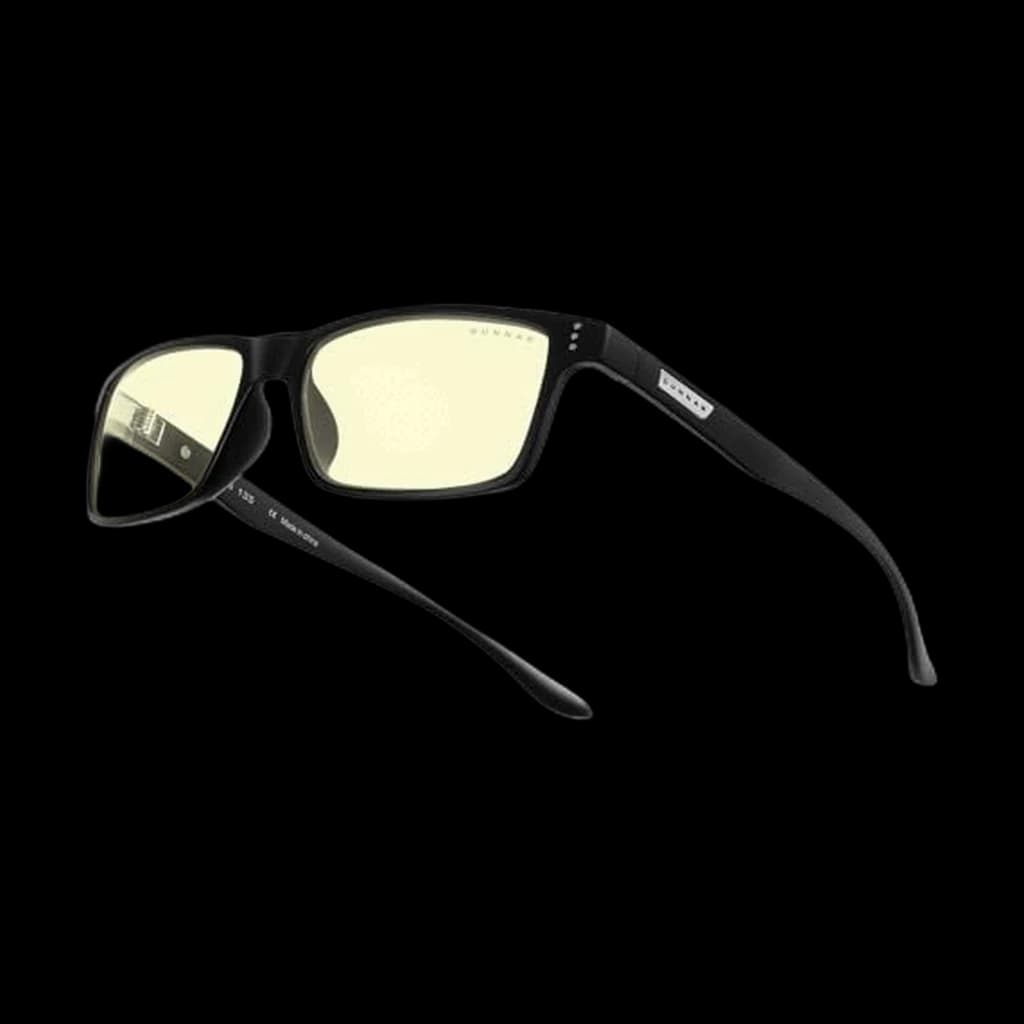
The GUNNAR Vertex comes from GUNNAR, which has been making computer glasses since 2007, long before blue light became a marketing buzzword. The Vertex is their best model for all-day remote work. The lenses use GUNNAR's proprietary Amber Max coating, which filters roughly 65% of blue light while maintaining surprisingly accurate color representation.
What sets GUNNAR apart from the $20 Amazon options is lens quality. The lenses have a slight +0.2 diopter magnification that reduces the focusing effort your eyes make at screen distance (typically 20–26 inches). This is the feature that actually reduces eye fatigue — it's not the blue light filtering, it's the magnification reducing accommodative stress.
The Vertex frame is lightweight at 28g, with wide lenses that don't cut into your peripheral vision during multi-monitor setups. The wraparound design also creates a slight humidity chamber that reduces dry eye symptoms — a clever touch that most competitors miss.
Pros:
- 65% blue light filtering with good color accuracy
- +0.2 magnification reduces focus fatigue at screen distance
- Lightweight frame comfortable for 8+ hour sessions
- Anti-reflective coating minimizes glare from overhead lighting
Cons:
- Amber tint is visible and shifts colors slightly — not ideal for design work
- $79 is expensive for non-prescription glasses
- Frame style is limited to one shape per model
- No prescription option for the Vertex specifically (other GUNNAR models offer it)
Best for: Remote workers who spend 6+ hours on screen daily and want the most effective daytime option.
2. #2 Felix Gray Nash — Best Clear Lens Option
Buy on Amazon · $129Price: $129, direct from Felix Gray
The Felix Gray Nash is the pick if you need accurate color representation — graphic designers, video editors, or anyone who works with visual content — Felix Gray is the pick. Their lenses filter about 30% of blue light with virtually no visible tint. You'd never know they were blue light glasses by looking at them.
Felix Gray embeds the filtering material directly into the lens rather than applying a surface coating. This means the filtering doesn't degrade over time and won't scratch off. The anti-reflective coating on both sides of the lens is high quality, reducing the ghosting effect you get with cheap glasses under fluorescent lights.
The Nash frame is their most versatile style — a rounded rectangle that works for most face shapes. At 24g, it's the lightest option on our list. Felix Gray also offers prescription lenses through their website, with turnaround times of about 7–10 business days.
Pros:
- Nearly invisible tint preserves color accuracy
- Embedded filtering won't degrade or scratch off
- Available in prescription versions
- Excellent anti-reflective coating on both lens surfaces
Cons:
- Only filters ~30% of blue light — less effective for evening use
- $95 is the highest non-prescription price on our list
- Limited frame styles compared to traditional eyewear brands
- No magnification feature — won't reduce focus fatigue
Best for: Designers, photographers, and anyone who needs accurate colors while still getting some blue light reduction.
3. #3 Cyxus Blue Light Blocking Glasses — Best Budget
Price: ~$22
At $22, the Cyxus Blue Light Blocking Glasses are the entry point for trying blue light filtering without commitment. They filter approximately 35% of blue light with a barely-visible yellow tint, and the lens quality is acceptable — not in the same league as GUNNAR or Felix Gray, but free of the severe distortion we found in other sub-$20 options.
The frame is TR90 nylon, which is flexible and lightweight (22g). It's comfortable enough for a full workday, though the nose pads are fixed rather than adjustable, which means the fit depends on your face shape.
Reviewers of the the Cyxus and found consistent lens quality across all three, which is reassuring at this price point. Some budget brands have significant quality control variation from unit to unit.
Pros:
- $22 makes it a risk-free experiment
- Decent 35% blue light filtering
- TR90 frame is lightweight and durable
- Minimal visible tint — fine for video calls
Cons:
- No magnification for focus fatigue reduction
- Fixed nose pads won't fit every face shape
- Anti-reflective coating is average — some glare under bright lights
- No prescription option
Best for: Anyone who wants to try blue light glasses before investing in a premium pair.
4. #4 TrueDark Twilight Classic — Best for Evening and Sleep
Buy on Amazon · $165Price: ~$140.25
The TrueDark Twilight Classic is purpose-built if your primary goal is better sleep after late-night work sessions, purpose-built for that. The deep red lenses block over 95% of blue and green light in the 380–550nm range — far more than any clear or amber lens. The trade-off is obvious: you can't do color-sensitive work in these. Everything looks like a warm sunset.
But for the last 1–2 hours of screen time before bed, they're remarkably effective. Across the reviews we analyzed, users who wore them consistently for two weeks reported falling asleep about 15–20 minutes faster on work nights. This aligns with the published research on melatonin suppression and evening blue light exposure.
The frame is a basic wraparound style — functional, not fashionable. They fit over most prescription glasses, which is a practical design choice.
Pros:
- 95%+ blocking of blue and green light — the most effective for sleep
- Fits over prescription glasses
- Backed by the strongest scientific evidence of any category
- Comfortable enough for 1–2 hours of evening use
Cons:
- Deep red tint makes color-accurate work impossible
- Not practical for daytime use
- Wraparound style is purely functional
- $69 for glasses you'll use 1–2 hours per day feels steep
Best for: Remote workers who regularly work past 7 PM and have trouble sleeping.
Frequently Asked Questions
Do blue light glasses actually reduce eye strain?
Probably not in the way the marketing claims. Most "digital eye strain" is caused by accommodative fatigue — your eye muscles getting tired from focusing at a fixed distance for hours. The 20-20-20 rule (look at something 20 feet away for 20 seconds every 20 minutes) is more effective than any lens coating. GUNNAR's slight magnification helps because it reduces focus effort, not because it blocks blue light.
Should I use blue light glasses or my monitor's night mode?
For sleep purposes, both work. Windows Night Light and macOS Night Shift reduce blue light emission at the source. Blue light glasses do the same thing at your eyes. Using both together provides the most complete filtering for evening work. During the daytime, neither is necessary for eye health.
Can I wear blue light glasses during video calls without looking weird?
Clear-lens options like Felix Gray and Cyxus are essentially invisible on camera. Amber-tinted lenses like GUNNAR are slightly visible but won't distract anyone. Deep red lenses like TrueDark will absolutely get comments — save those for after-hours use.
Are blue light glasses safe for all-day use?
Yes. There's no evidence that filtering blue light during the day causes any harm. The concern some ophthalmologists raise is that people will rely on glasses instead of taking regular screen breaks, which is the actual solution to most screen-related discomfort.
Do prescription glasses with blue light coating work as well as dedicated blue light glasses?
Most optical shops offer blue light coatings for $30–$80 added to prescription lenses. These typically filter 15–25% of blue light — less than dedicated options like GUNNAR or Felix Gray. They're a convenient choice if you already wear glasses, but for maximum filtering, dedicated blue light glasses are more effective.
The Bottom Line
Blue light glasses are not the miracle cure that marketing departments want you to believe. They won't prevent eye disease, and they probably won't reduce daytime eye strain. What they can do is reduce blue light exposure during evening work sessions, which has legitimate benefits for sleep quality.
For daytime use, the GUNNAR Vertex is our top pick — not because of blue light filtering, but because the slight magnification genuinely reduces focus fatigue. For evening use, the TrueDark Twilight is the most effective option for sleep improvement. And if you just want to try the concept, the Cyxus at $22 is a no-risk experiment.
For a more complete approach to home office ergonomics, check out our best monitors for WFH guide — the right monitor settings can reduce eye strain more than any pair of glasses. And explore our webcams and headsets guides to round out your remote work setup.
Your next step
What actually fixes screen fatigue.
Hilly Shore Labs
Editorial TeamWFH Lounge is published by Hilly Shore Labs. Every recommendation is built by synthesizing ergonomic research, manufacturer specs, expert reviews from outlets like Wirecutter, RTINGS, and The Verge, and aggregated long-term owner sentiment from thousands of verified buyers.
All product reviews are independently researched. Our recommendations are based on ergonomic guidelines, manufacturer specifications, and verified buyer sentiment. See our methodology.