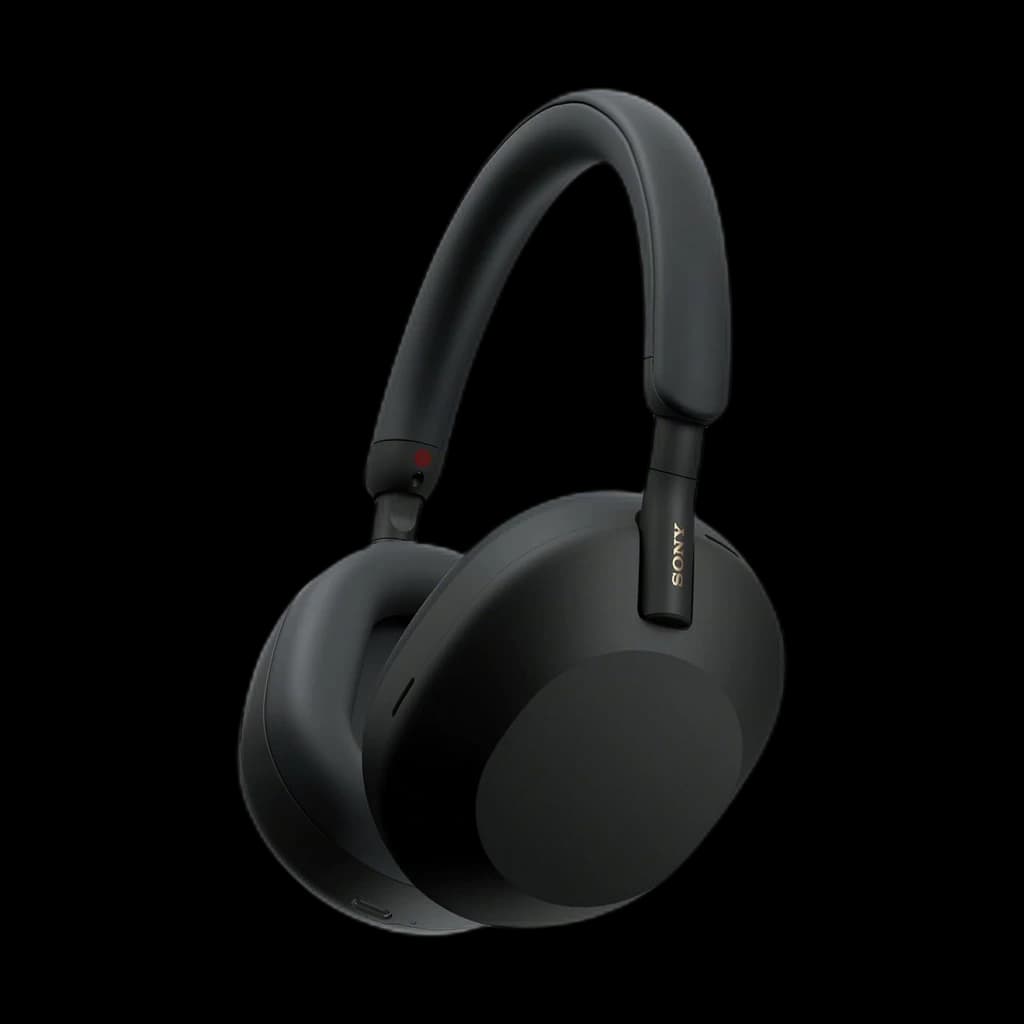
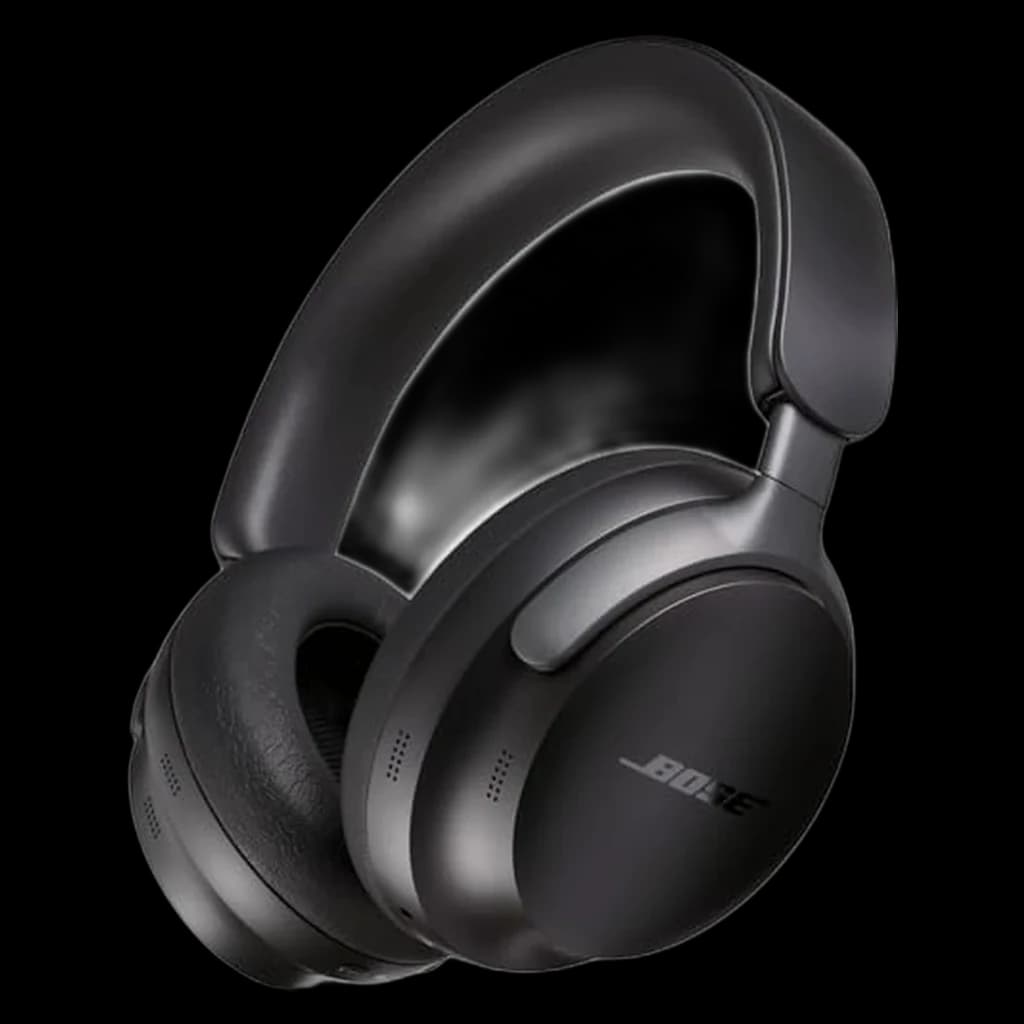
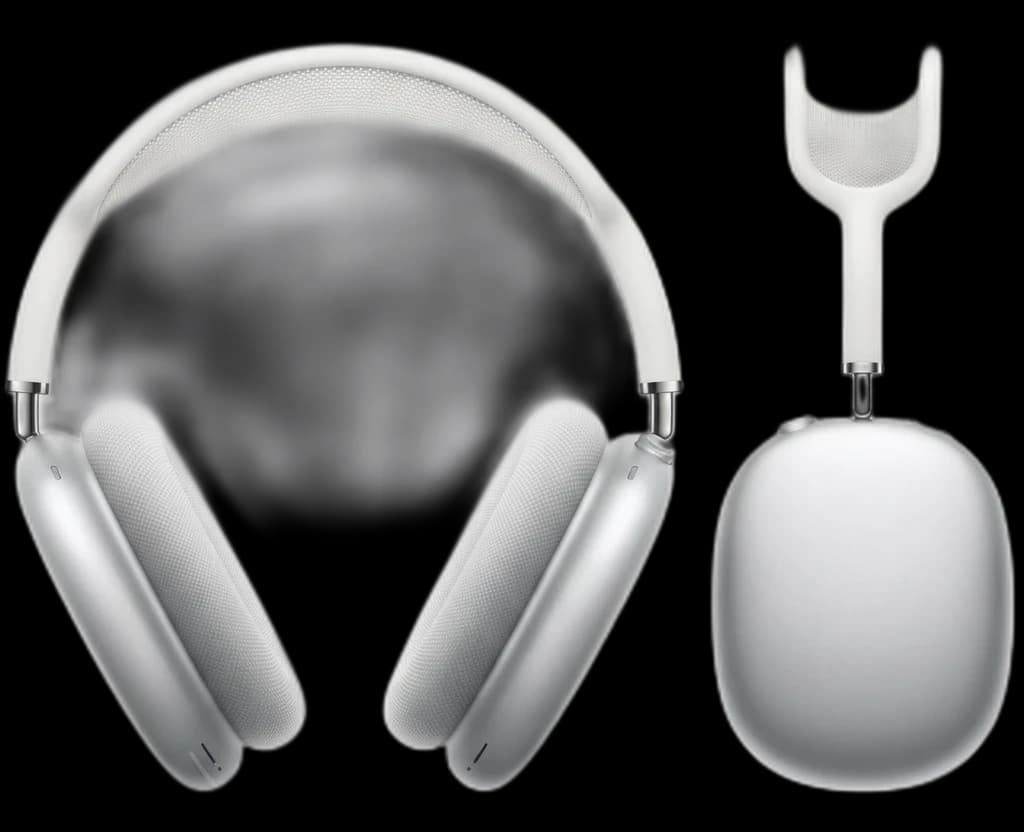
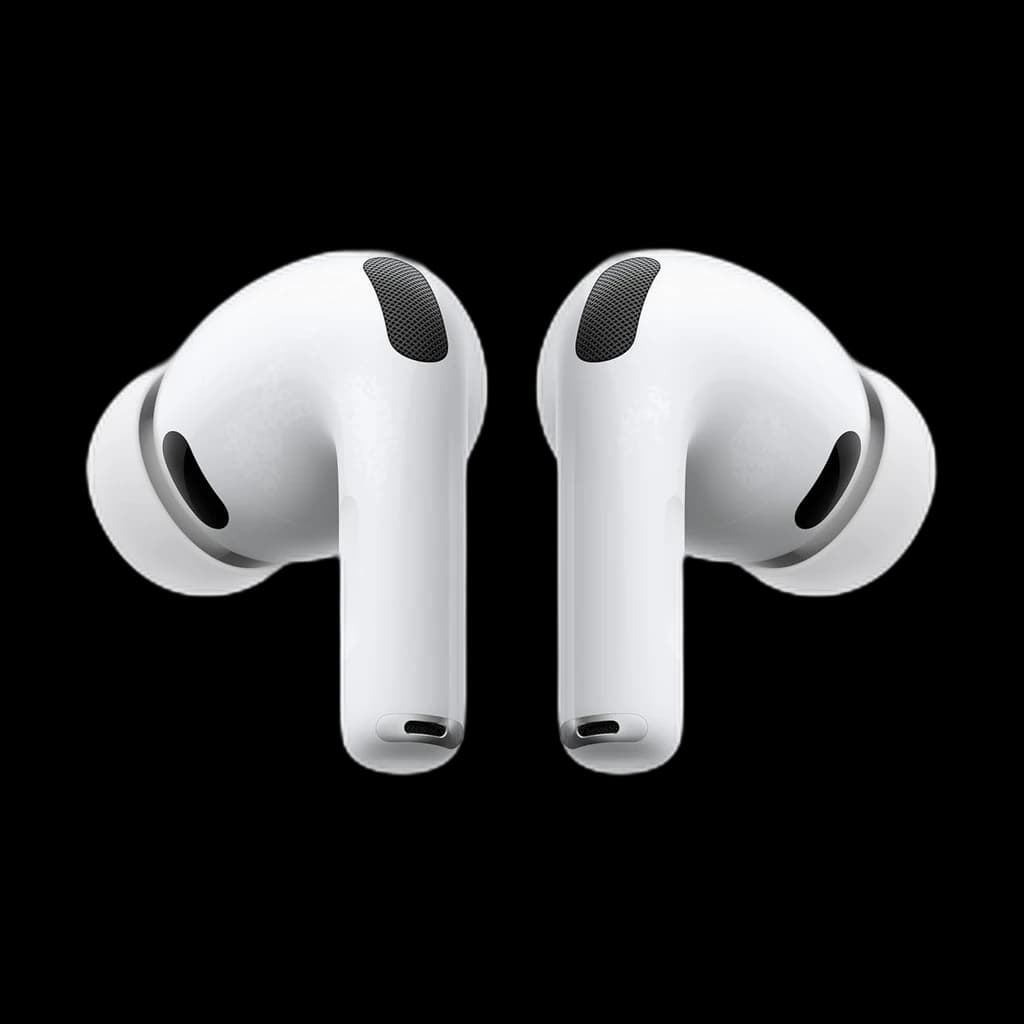
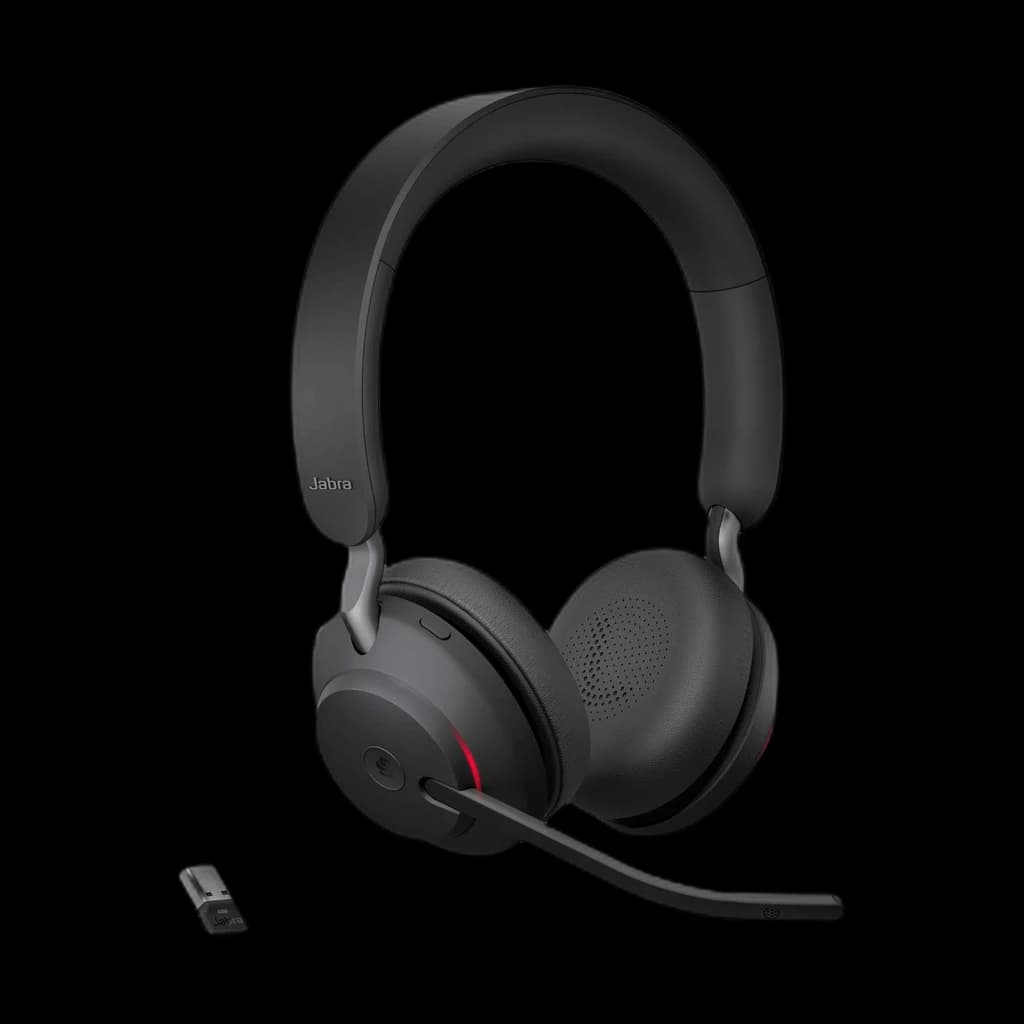
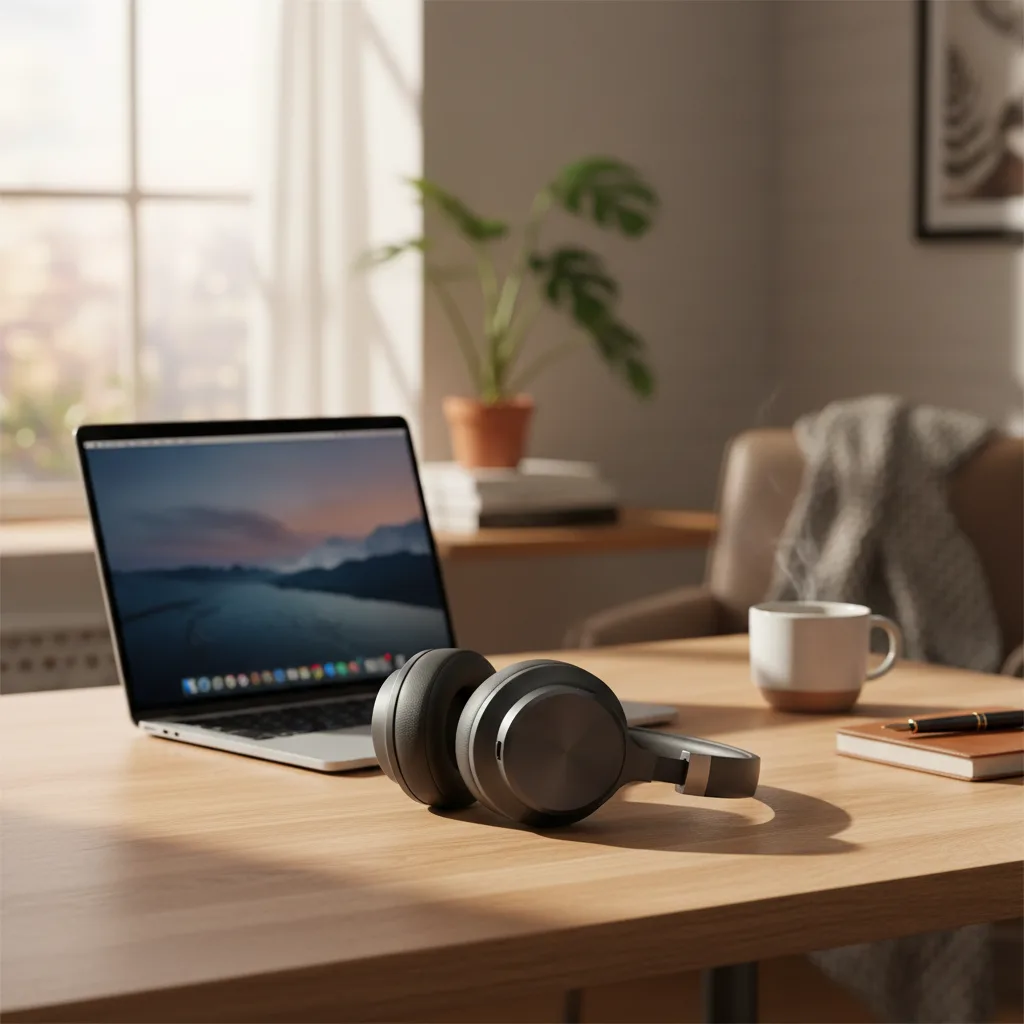
There are two different products on this page, and buying the wrong one is the most common mistake in the category. Noise-cancelling headphones are built to keep the room out; business headsets are built to make you clearly understood. Both are worn on your head, and that is roughly where the similarity ends.
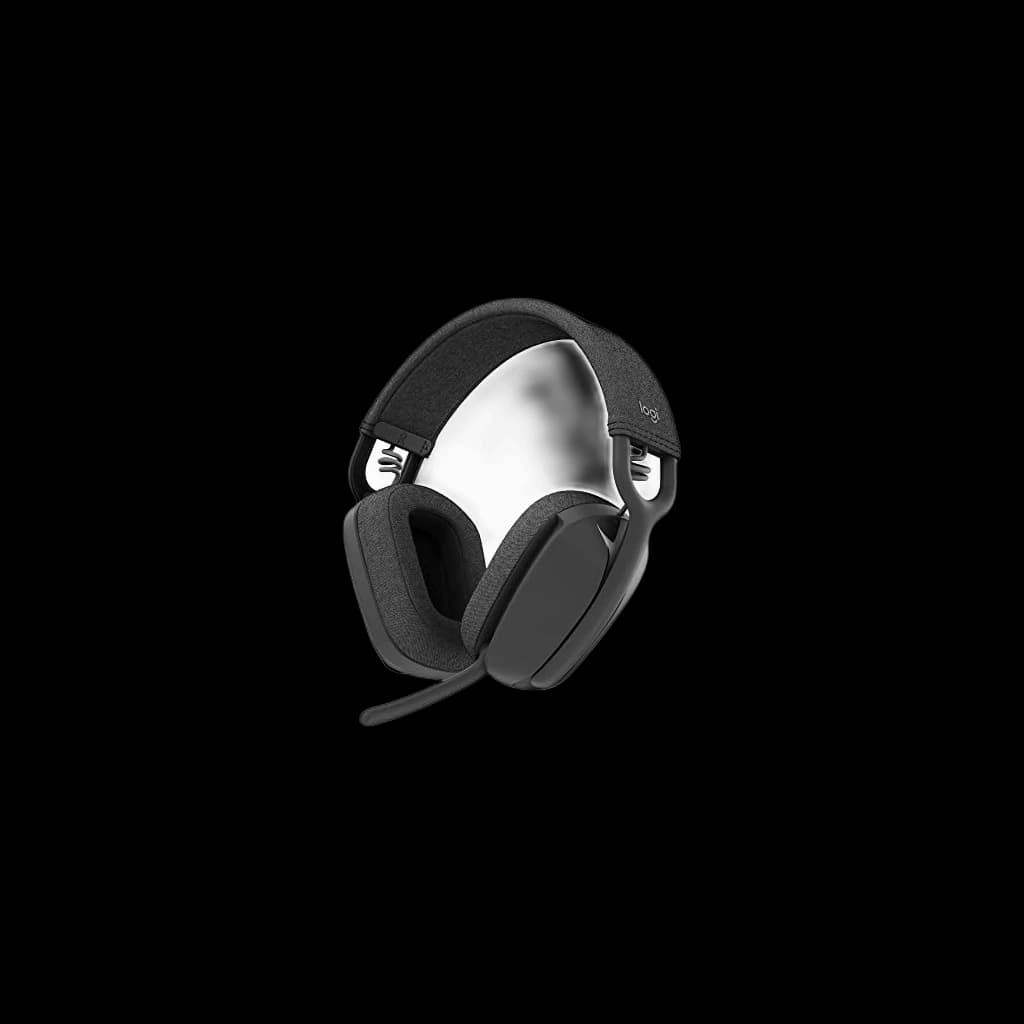
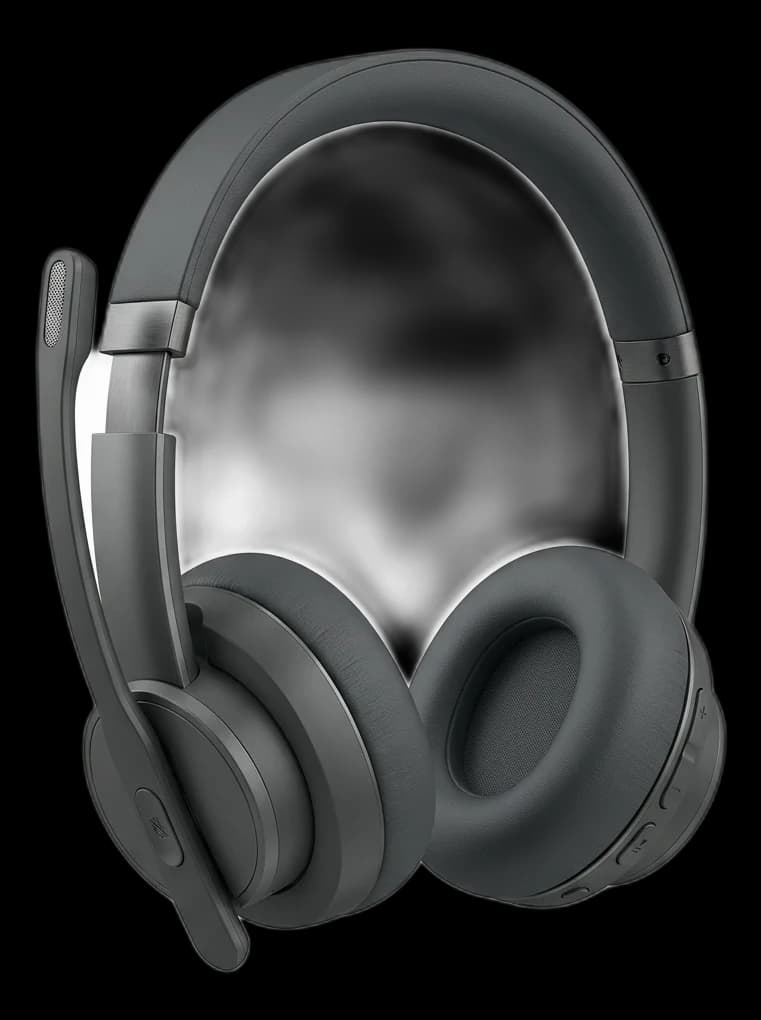
Start with an honest count of your calendar. If meetings are a couple of hours a day or less, buy noise-cancelling headphones - the Sony, Bose and Apple models here all handle calls well enough, and you get far better music and far better isolation for the other six hours. If you are on calls for most of the day, a boom-mic headset like the Jabra or Logitech Zone models will make you sound measurably better to everyone else, because a microphone positioned an inch from your mouth beats any amount of beamforming from the ear cup.
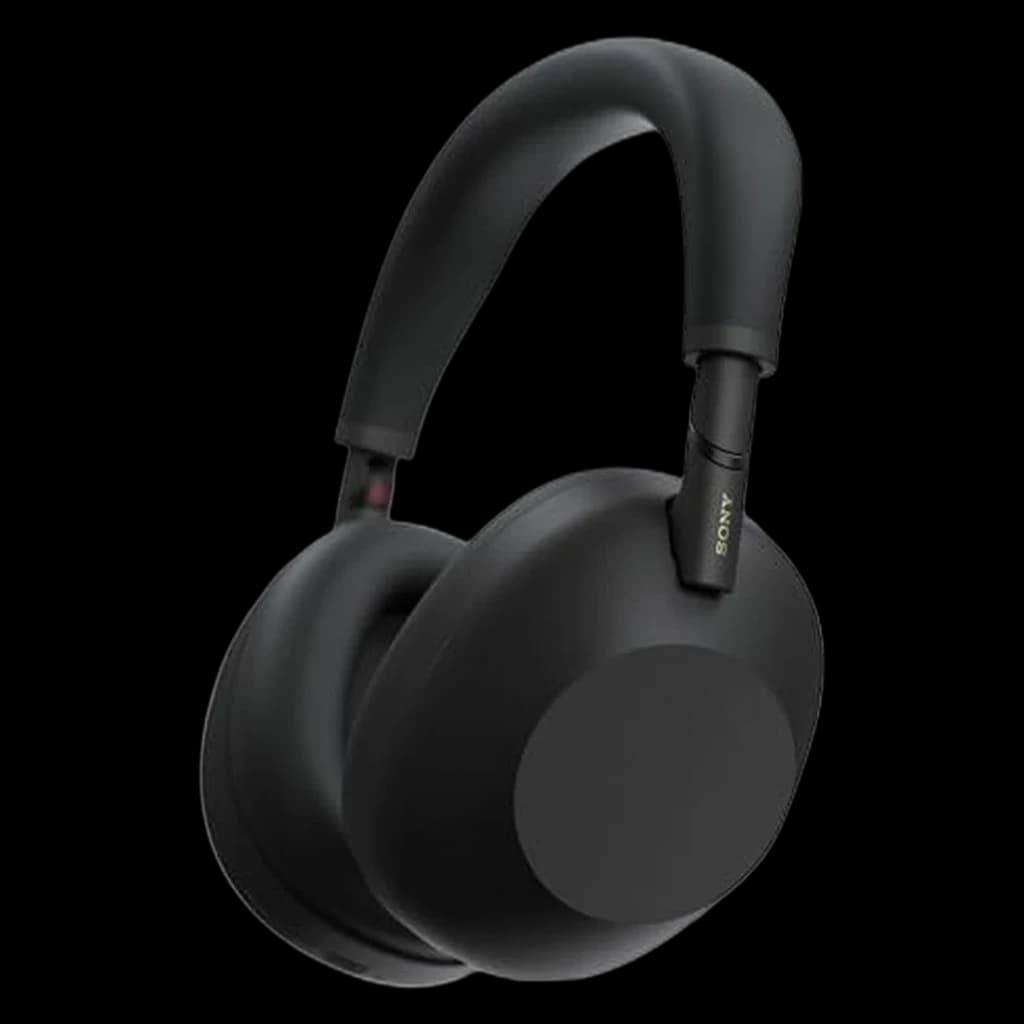
The specification that matters most for desk use is the one reviews rarely lead with: how many microphones the manufacturer dedicates to picking up your voice, rather than to cancelling noise. Sony publishes both figures for the WH-1000XM6 - six beamforming mics for calls out of twelve total. Several manufacturers publish an elaborate noise-cancellation story and stay silent on the call array, and that silence is a fair proxy for priority.
The second thing to check is multipoint pairing. Most remote workers run a personal phone alongside a work laptop, and a pair that cannot hold both connections at once becomes a small daily irritation - unpairing and repairing between a call and a podcast. Nearly everything here supports it; confirm it before buying, because it is the feature people miss most after the fact.
One thing that matters less than the marketing suggests: peak noise-cancellation depth. Every model here removes enough steady-state noise for a home office. Past that point you are paying for midrange performance, call quality and comfort across a full working day - not for a bigger number.
We research these from manufacturer specifications, published measurements from independent labs, and verified owner feedback. We do not run acoustic testing ourselves, so where a claim is the manufacturer's, this page says so.
 1
1