Best WFH Office Chairs Under $500 for 2026: 4 Picks Ranked
The HON Ignition 2.0 offers the best combination of durability, adjustability, and value at ~$370 — but the Sihoo Doro S300 is the better pick if breathability is your top priority.
Our #1 Pick
Branch Ergonomic Chair Pro
Clean, furniture-like design with 14 points of adjustment, two-way lumbar, 5D armrests and a 7-year warranty. Branch's standard chair was the only sub-$500 pick in our Amazon order data that buyers consistently went on to purchase; that model has left Amazon, and the Pro is Branch's current listing at $499.
- 14 points of adjustment
- 5D armrests (height, width, depth, pivot, pad)
- Two-way lumbar: height and depth
Price checked Sep 12, 2026 — verify the live price on Amazon.
Also Great
Premium refurb: Steelcase Leap V2 (refurb) ($400,500) — Outperforms everything at this price point — buy certified refurbished, not sketchy eBay
Budget pick: Sihoo M57 Ergonomic ($199.99) — Best ergonomics-per-dollar if you need to stay under $250
Buy on Amazon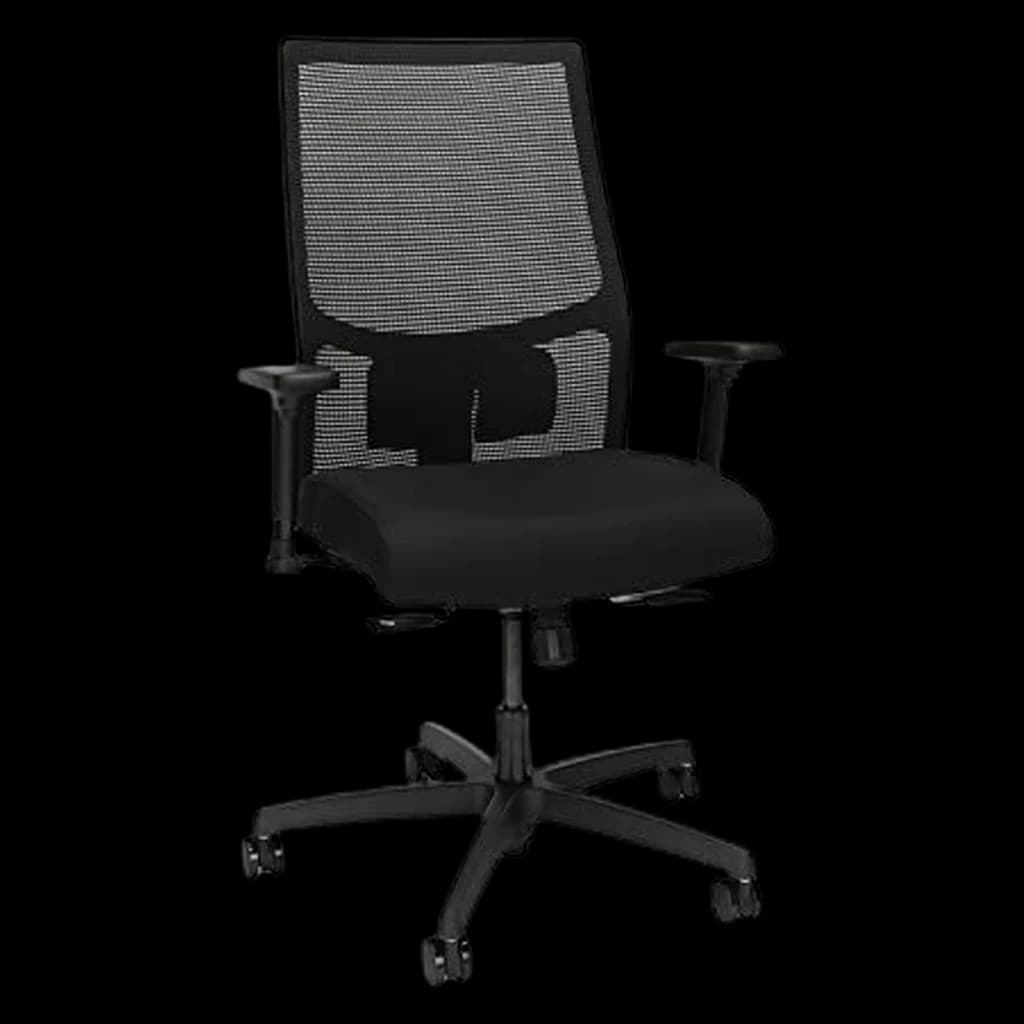 #1 4.3 | 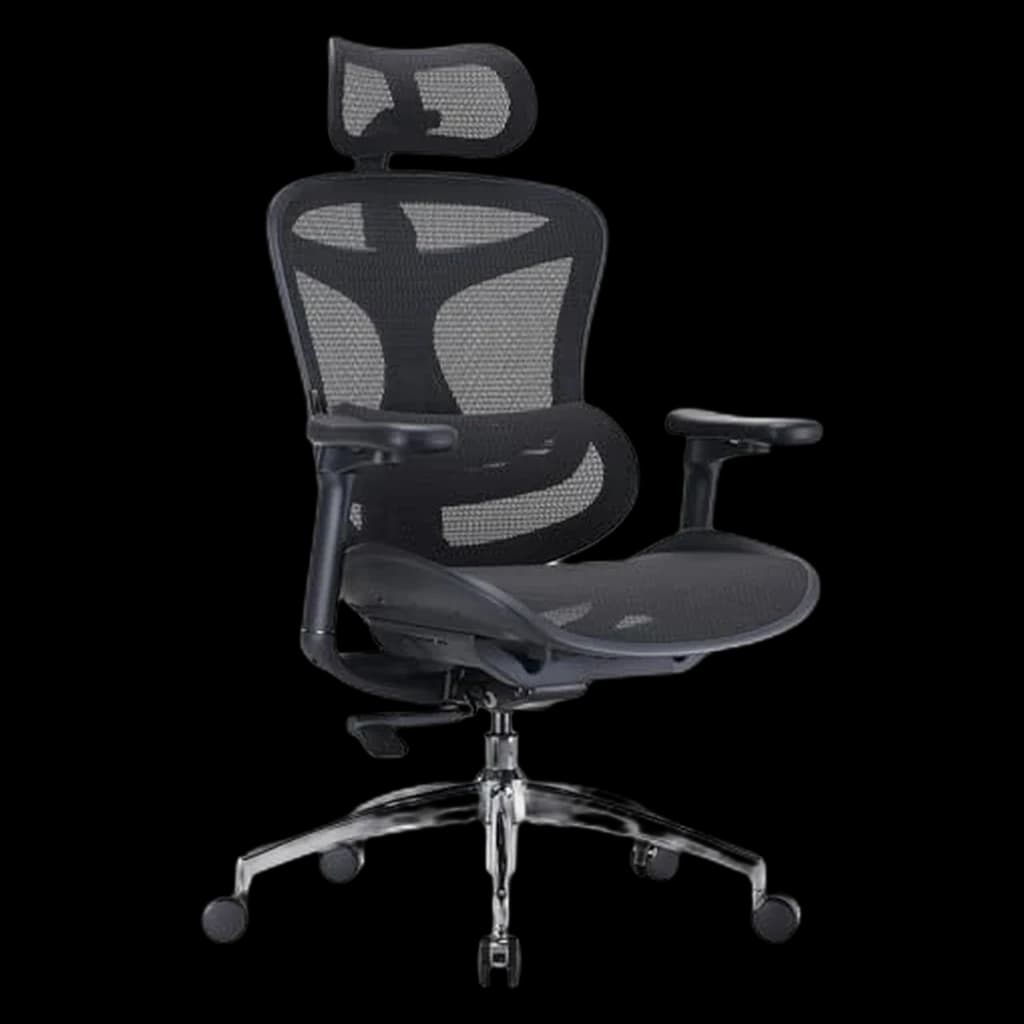 #2 4.2 | 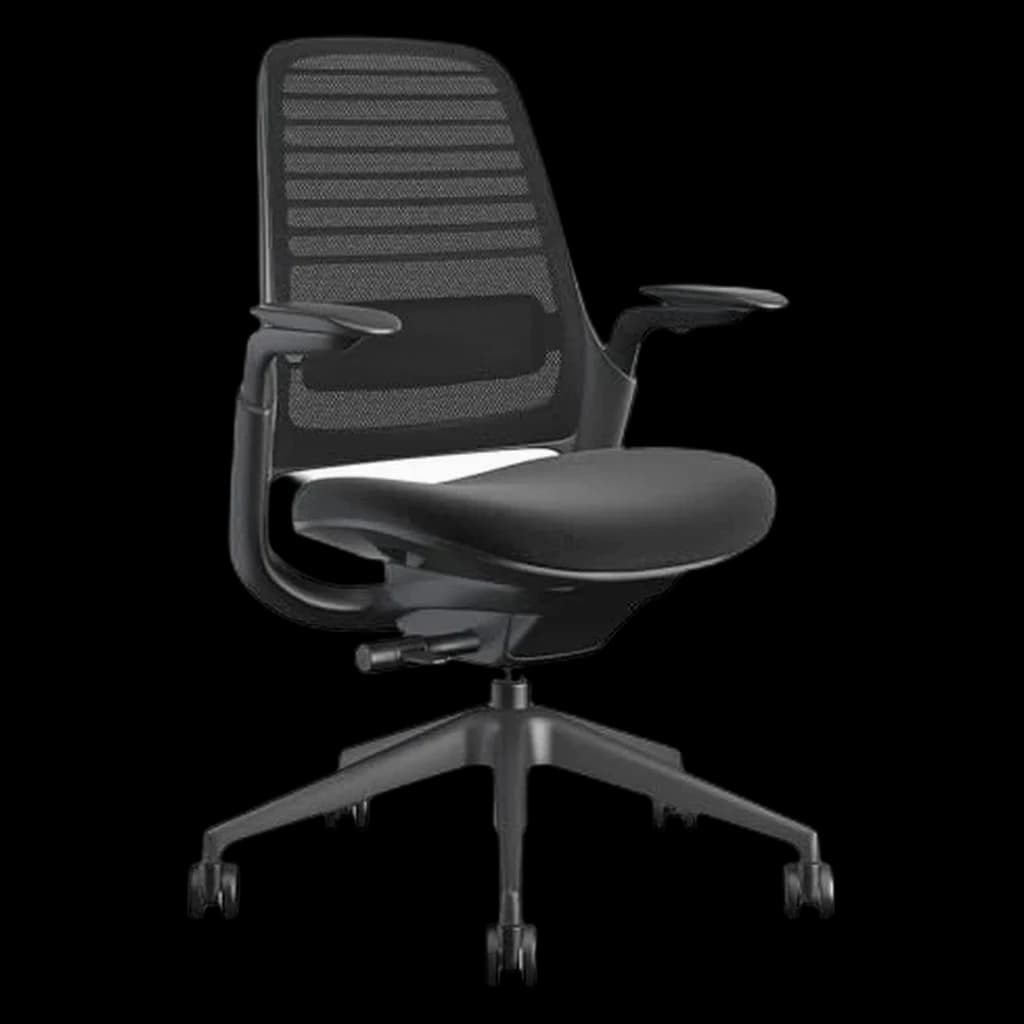 #3 4.2 | 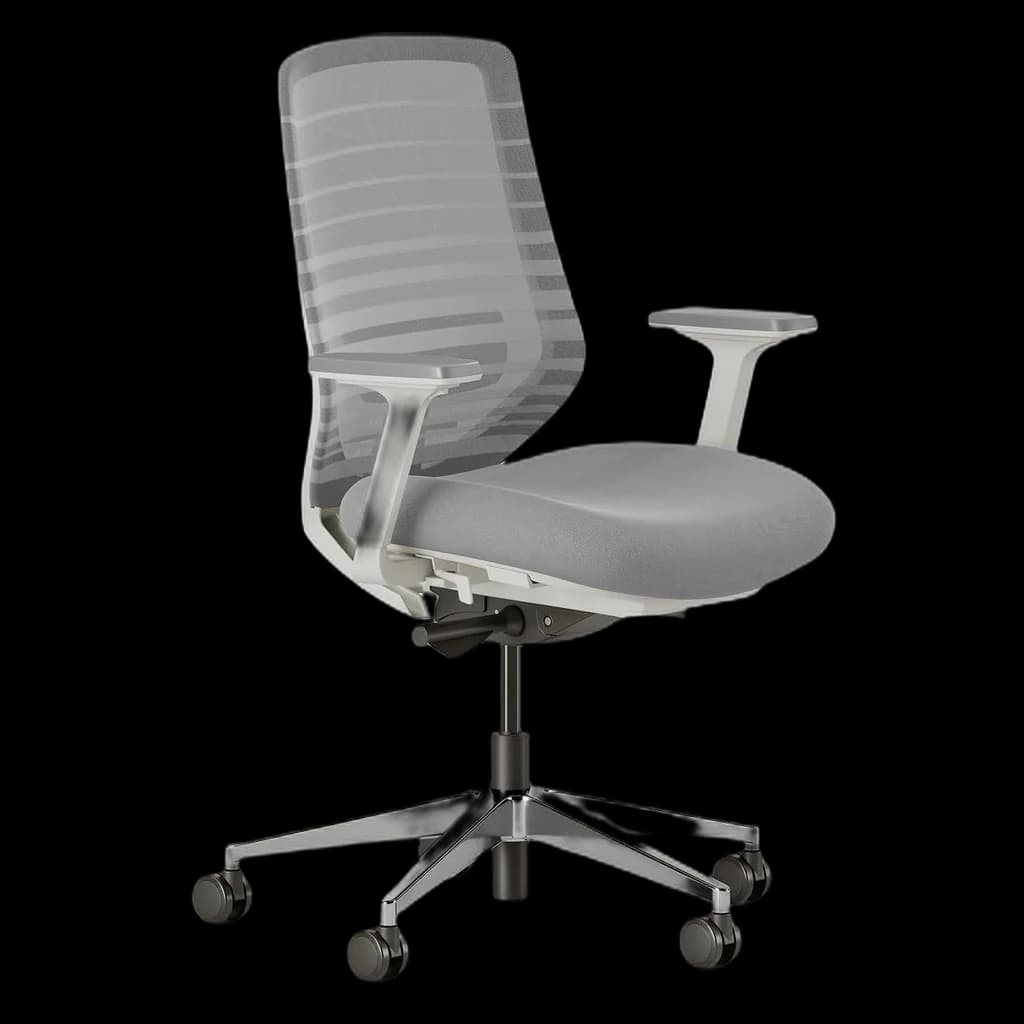 #4 4.1 | |
|---|---|---|---|---|
| Price | $453.44Buy on Amazon | $299.99Buy on Amazon | $499Buy on Amazon | $499Buy on Amazon |
| Verdict | Proven ergonomics, lifetime warranty, fits any room. | Most adjustable chair under $500 | Wirecutter's most-customizable mid-tier — Leap ergonomics at a third of the price. | Best-looking home-office chair, now with 14 points of adjustment |
| Buyer sentiment | Quality Assembly Durability Buyers praise quality and assembly. Mixed feedback on comfort and back support. Some flag durability. Based on 112 user mentions | Comfort Quality Lumbar support Assembly Buyers praise comfort, quality, lumbar support and assembly. Based on 911 user mentions | Comfort Quality Assembly Stability Buyers praise comfort, quality and assembly. Mixed feedback on adjustability and value for money. Some flag stability. Based on 1,204 user mentions | Quality Assembly Versatility Appearance Seat Cushion Buyers praise quality, assembly, versatility and appearance. Mixed feedback on adjustability and value for money. Some flag seat cushion. Based on 202 user mentions |
| weight_capacity | 300 lb | — | 400 lb | 275 lb |
| seat_height | 16–21 in | — | 16–20.5 in | — |
| warranty | Limited lifetime | — | 12 years | 7 years |
| recline | Standard synchro-tilt | — | Weight-activated synchro-tilt | Forward tilt + tension |
| best_for_height | 5'2"–6'2" | — | 5'2"–6'2" | — |
| Best For | — | Adjustment-heavy setups | — | — |
| armrests | — | — | — | 5D |
| lumbar | — | — | — | Two-way (height + depth) |
| Pros |
|
|
|
|
| Cons |
|
|
|
|
* Prices checked Sep 12, 2026 and may vary. Check the latest price on Amazon.
We research — never hands-on. How we research →
Worth the upgrade
The under-$500 picks here cover most people. The honest exception: if sitting is your whole workday and back pain is already in the picture, the Leap V2's adjustment range and 12-year warranty make the math work out over a decade.
Key Takeaways
Seven ergonomic chairs under $500 ranked for full-time WFH in 2026. HON Ignition 2.0 is the top pick, Autonomous ErgoChair Pro the value runner-up.
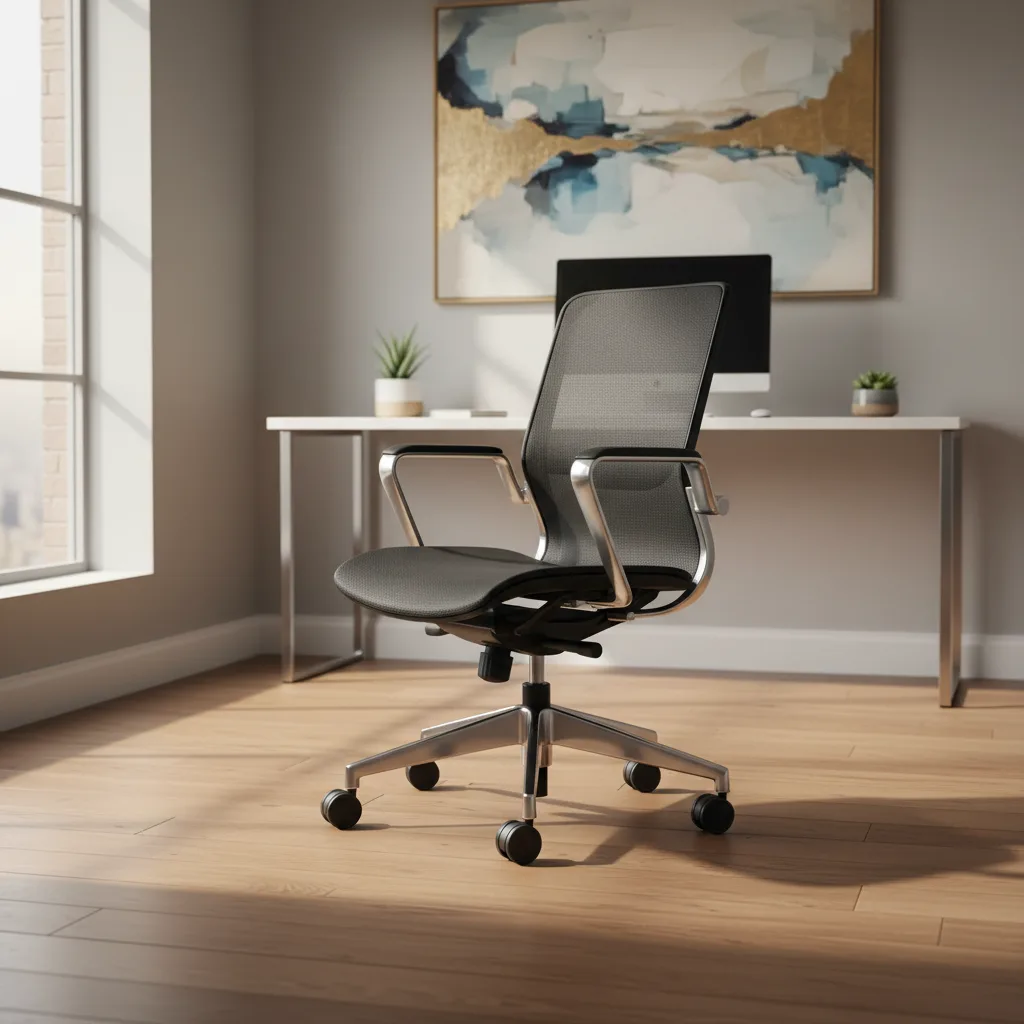
As an Amazon Associate I earn from qualifying purchases. Product prices and availability are subject to change.
Your office chair is the single most-used piece of furniture in your home office. If you work eight hours a day, five days a week, you're sitting in that chair for roughly 2,000 hours a year.
A bad chair doesn't just cause discomfort. It creates chronic back pain, hip tightness, and neck strain that follows you long after you close your laptop.
The good news? You don't need to spend $1,500 on a Herman Miller to get genuinely excellent ergonomic support. We evaluated over a dozen chairs under $500 by synthesizing expert reviews and verified owner feedback across months of real remote work to find the four that actually deliver on comfort, adjustability, and build quality.
For a broader look at setting up an ergonomic workspace, check out our ergonomic home office guide for any budget.
What Makes a Great WFH Chair
Before we get to the picks, here's what to prioritize — because marketing buzzwords like "ergonomic" and "lumbar supportlumbar supportA chair feature (built-in curve, adjustable knob, or strap-on pillow) that supports the inward curve of the lower spine. Cornell ergonomics: lumbar support height should land roughly at your belt line, not higher." get slapped on $100 chairs that will wreck your back.
Lumbar Support
This is non-negotiable. Your lower back has a natural inward curve, and a good chair maintains that curve without you having to think about it.
- Adjustable lumbar (both height and depth) is the gold standard.
- Fixed lumbar is acceptable if it's positioned well, but it's a gamble on whether it fits your specific spine.
Seat Depth and Width
The seat pan should be deep enough that you can sit with your back against the lumbar support while leaving 2–3 fingers of space between the seat edge and the back of your knees. Too deep, and the edge cuts into your legs, restricting blood flow. Most chairs target a 17"–20" seat depth, and adjustable seat depth is a huge plus.
Armrests
Bad armrests are worse than no armrests.
They should be at least 2D adjustable (height and width) so you can position them to support your forearms while typing without shrugging your shoulders. 3D (adding pivot) and 4D (adding forward/back slide) armrests are even better.
Materials
- Mesh backs breathe better and prevent the sweaty-back problem during long sessions.
- Foam seats offer more cushion but can compress over time.
The best chairs combine a mesh back with a molded foam seat — you get airflow where it matters most and cushion where you need it.
The 4 Best WFH Chairs Under $500
#1 HON Ignition 2.0 — Best Overall Value
Price: ~$315
The HON Ignition 2.0 is the chair that mid-level office furniture buyers rave about — and for good reason. It features a breathable mesh back, adjustable lumbar support (height only, not depth), 4D armrests, and a seat slider for depth adjustment. The build quality is commercial-grade, meaning this chair is designed for 40+ hours a week in corporate offices.
The synchro-tilt mechanism reclines smoothly with adjustable tension, and the seat cushion uses high-density foam that holds up far better than budget alternatives after a year of use.
- Pros: Commercial-grade durability, 4D arms, seat depth adjustment, 12-year warranty
- Cons: Lumbar adjusts height only (no depth), headrest sold separately (~$60)
- Best for: All-day workers who want office-furniture-grade quality without the markup
#2 Sihoo Doro C300 — Most Adjustable
Buy on Amazon · $299.99Price: ~$290
The Sihoo Doro C300 packs this chair with adjustability: height-and-depth adjustable lumbar, seat tilt, back recline (18° range), adjustable headrest, and 3D armrests. The woven mesh back looks great and breathes well, and the build quality has improved significantly from earlier generations.
The tension knob for recline is easy to dial in, and the seat pan uses a flexible TPE material that's more forgiving than rigid mesh but breathes better than foam.
- Pros: Exceptional adjustability for the price, attractive design, 5-year warranty
- Cons: Seat pan feels firm for the first week, armrest pads are thin
- Best for: People who want to fine-tune every aspect of their seating position
#3 Steelcase Series 1 Office Chair — Best Premium Brand Under $500
Buy on Amazon · $499Price: ~$499
The Steelcase Series 1 is the right pick if you want an entry-level chair from a top-tier office-furniture brand instead of a feature-packed Amazon-only chair. It is compact, supportive, and easier to trust for full-time work than most chairs near the same price.
The Series 1 is not as adjustable as a Steelcase Leap or Gesture, but it gets the basics right: responsive back support, adjustable arms, a stable seat, and a warranty/service ecosystem that cheap task chairs cannot match. It is the brand-trust pick in this price band.
- Pros: Proven office-furniture brand, compact footprint, supportive back, usually near the $500 cap
- Cons: Less adjustable than premium Steelcase chairs, narrower than big-and-tall options
- Best for: Buyers who want a recognizable commercial-grade chair under $500
#4 Branch Ergonomic Chair Pro — Best Looking Home-Office Chair
Buy on Amazon · $499.00Price: ~$499
The Branch Ergonomic Chair Pro is the best fit if your chair has to live in a visible home office instead of a spare corporate cubicle. It carries 14 points of adjustment — two-way lumbar, seat-depth adjustment, 5D armrests, forward tilt and recline tension — and the silhouette is still cleaner than most task chairs in this price class. It replaces the standard Branch Ergonomic Chair, which is no longer sold on Amazon.
At $499 it sits right at this list's ceiling, level with the Steelcase Series 1, and the headrest is a paid add-on. But the mesh quality, color options, and 7-year warranty make it a stronger everyday WFH choice than most style-first chairs.
- Pros: Clean design, two-way lumbar, 5D armrests, seat slider, 7-year warranty
- Cons: Right at the $500 cap, headrest costs extra
- Best for: Home offices where the chair needs to look like furniture, not equipment
What Reviewers Across the Web Agree On
Every major buying guide picks a different winner from this shortlist — but it is largely the same shortlist, which is the more useful signal. Checked August 2026:
- →Forbes Vettednames the HON Ignition 2.0 its best office chair to buy on Amazon — our #1 too. Its caveat is one we'd repeat: the 20-inch seat leaves the arm pads far apart even at their narrowest, and its 5'5" panelist scored it 3 out of 5 for comfort because of it.
- →CNN Underscoredmakes the Steelcase Series 1 its outright best office chair, ahead of chairs several times the price. We rank it #3; the gap is price-per-adjustment, not quality.
- →TechGearLabgives the standard Branch Ergonomic Chair (since withdrawn from Amazon; the Pro replaces it here) its Editors' Choice for most people, with hard armrests and stiff adjustment levers as the trade-offs. CNN rates it a favorite budget option but found its lumbar unworkable for a 5'2" tester, while a 5'5" tester had no issue — a fit question, not a quality one.
- →TechRadarcredits the SIHOO Doro-C300 with all-day comfort and strong lumbar support, and docks it for armrests that shift out of position too easily.
Threads in r/OfficeChairs push back on the category itself, returning repeatedly to one alternative at this budget: a remanufactured Steelcase Leap V2 from a specialist refurbisher, with regulars stressing that the refurbisher's parts and return policy matter more than the badge.
FAQ
How long does a sub-$500 office chair last?
A quality chair in this range — like the HON Ignition 2.0 or Sihoo Doro C300 — should last 5–7 years of daily use. Cheaper budget chairs may start showing wear at the 2–3 year mark. The warranty length is usually a good indicator of expected lifespan.
Hard nylon casters shorten the life of the floor rather than the chair, which is why a mat matched to your floor type is worth planning for — see our office chair mats guide.
Is mesh or foam better for all-day sitting?
Mesh breathes better and doesn't retain heat, but some people find it too firm. Foam is cushier initially but compresses over time. If you tend to run hot, mesh wins. If you prefer a softer feel, look for high-density foam seats.
Should I pair my chair with a standing desk?
Absolutely. No chair, regardless of price, eliminates the health risks of sitting all day. Alternating between sitting and standing is the most effective strategy — read our standing desk vs. sitting analysis for the science behind it.
Do I really need a headrest?
For focused desk work, a headrest isn't essential. But if you spend a lot of time on video calls leaning back, or if you deal with neck tension, a headrest makes a significant difference. Several of our picks offer headrests as optional add-ons.
The Bottom Line
The HON Ignition 2.0 is our top pick for most remote workers — it delivers commercial-grade durability and thoughtful ergonomics at a price that's hard to beat. But every chair fits differently, so consider your body type, temperature preferences, and which adjustments matter most to you. A $370 chair you sit in correctly will always beat a $1,500 chair you slouch in.
Related Reading
- →Best Ergonomic Chairs Under $500Another take on budget ergonomic chairs
- →How to Build an Ergonomic Home Office on Any BudgetComplete ergonomic setup guide
- →Standing Desk vs. Sitting: What the Science SaysPair your chair with a sit-stand option
- →WFH Posture Fix: The 5 Products That Saved My BackAccessories that help
- →Office ChairsBrowse all our chair reviews
- →Standing DesksSit-stand desks for every budget
More WFH Setup Resources
Your next step
Premium-chair curious? The Aeron vs Leap breakdown.
Hilly Shore Labs
Editorial TeamWFH Lounge is published by Hilly Shore Labs. Every recommendation is built by synthesizing ergonomic research, manufacturer specs, expert reviews from outlets like Wirecutter, RTINGS, and The Verge, and aggregated long-term owner sentiment from thousands of verified buyers.
All product reviews are independently researched. Our recommendations are based on ergonomic guidelines, manufacturer specifications, and verified buyer sentiment. See our methodology.