Best Noise Solutions for WFH 2026: 5 Picks Beyond Cans
A layered approach combining door sealing, a white noise machine, heavy curtains, and acoustic panels reduces home office noise by 60-80% for under $200 — often enough to ditch headphones during non-call work.
Our #1 Pick
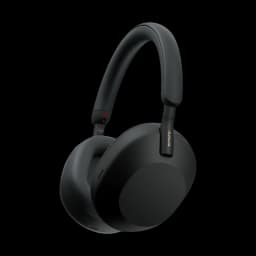
Sony WH-1000XM5 + LectroFan EVO White Noise Machine
Headphones for focused work, white noise machine for calls when you're not wearing them. The dual approach covers both 'I need to focus' and 'household noise leaking into my mic' — the two distinct WFH noise problems.
- Class-leading ANC from the Integrated Processor V1 paired with the QN1 noise-cancelling processor
- 30-hour battery with noise cancelling on (24 hr of talk time)
- Eight microphones, four of them beamforming for calls, keep speech clear in a quiet room
Price checked Sep 19, 2026 — verify the live price on Amazon.
Also Great
Acoustic panels: Foamily 12-Pack Acoustic Foam ($30) — Reduces room echo and reverb — the cheapest way to improve how you sound on calls
White noise only: LectroFan EVO ($64.95) — 20 non-looping sounds, USB-powered — best dedicated white noise machine for WFH
Buy on Amazon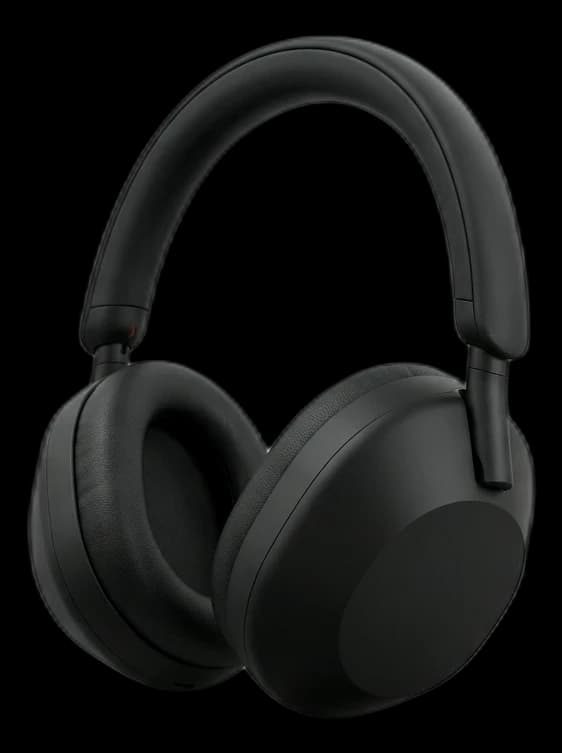 #1 4.2 | 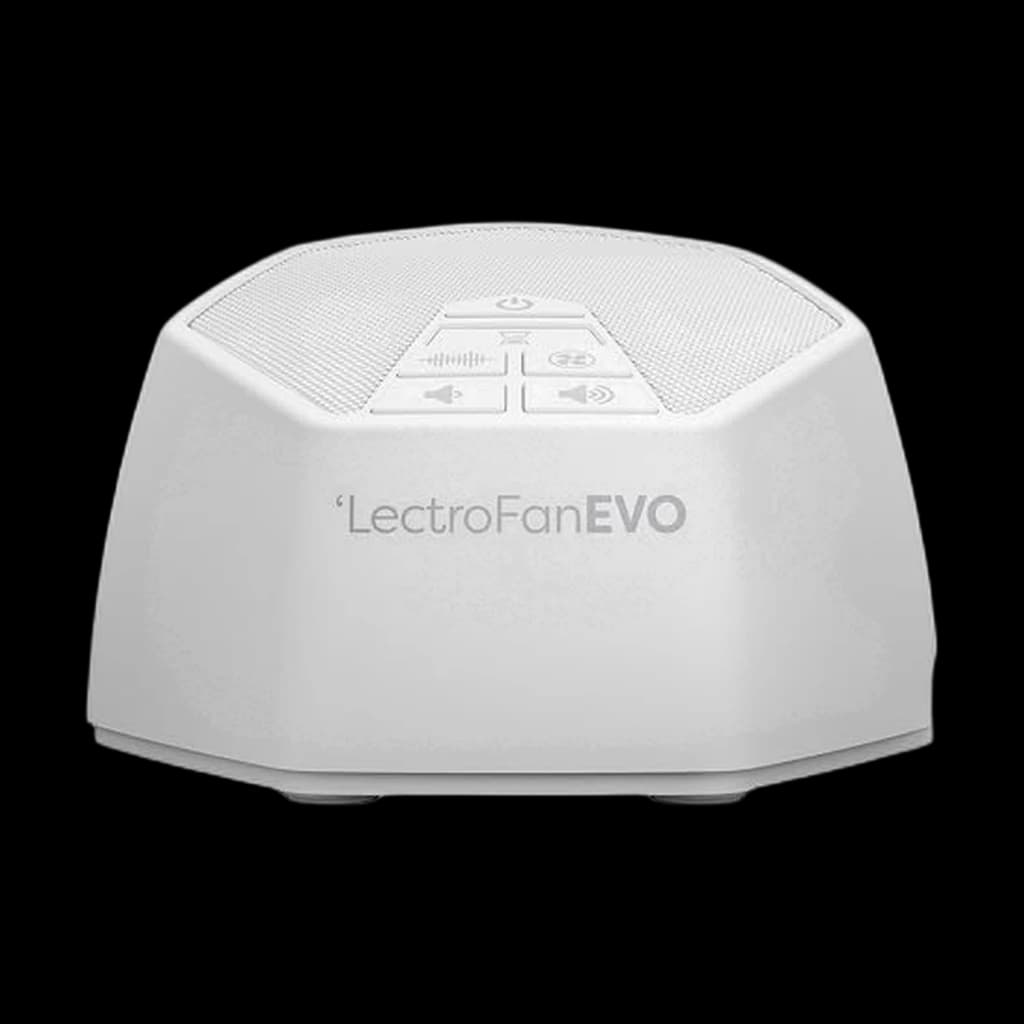 #2 4.5 |  #3 4.6 |  #4 4.4 | 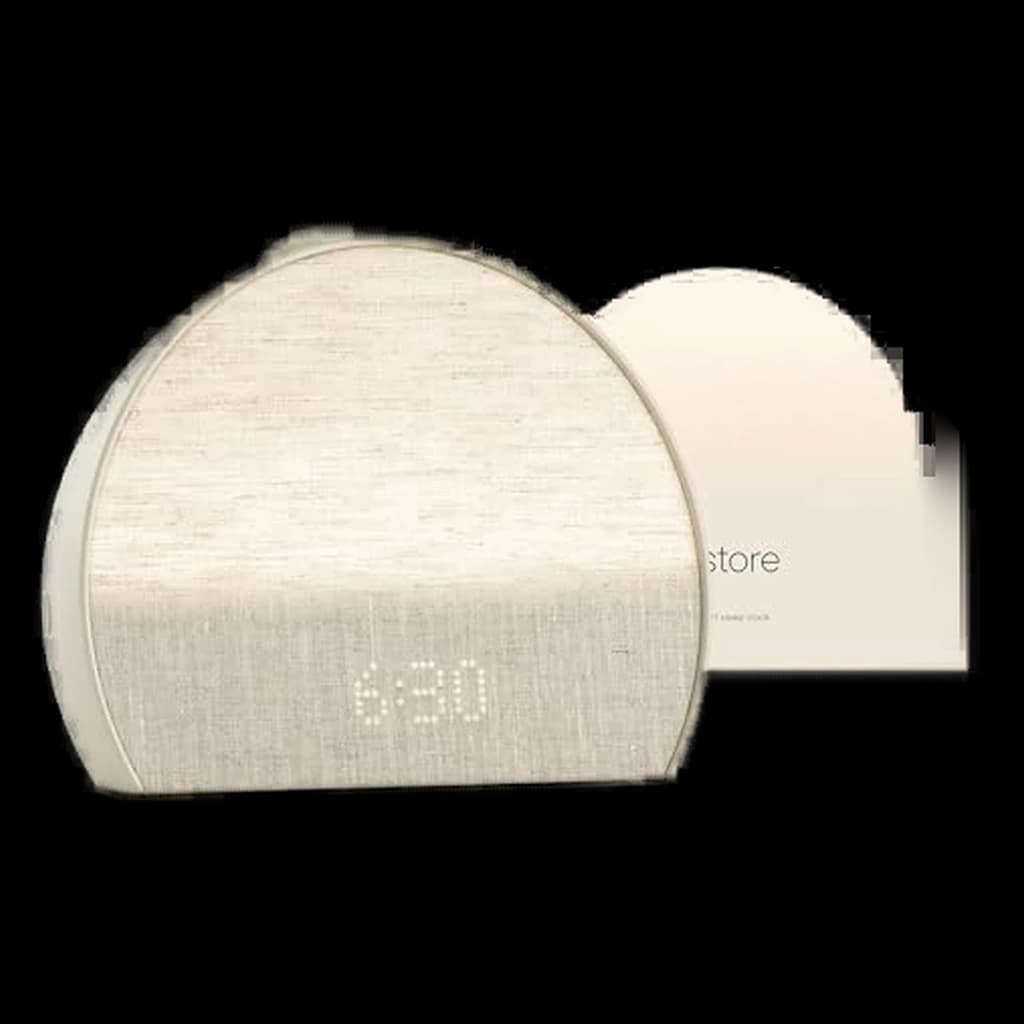 #5 4.3 | |
|---|---|---|---|---|---|
| Price | $298Buy on Amazon | $64.95Buy on Amazon | $99.99Buy on Amazon | $169.99Buy on Amazon | |
| Verdict | RTINGS' and Wirecutter's current top pick — QN3 processor + 12 mics + adaptive optimizer. | The non-looping electronic machine that actually masks voices - 22 sound profiles, 75 dB output, the WFH default | Mechanical fan sound machine that physically moves air - the analog choice with zero electronic loops | Modern fan-based machine with app control - the quieter design that masks well without the vintage Dohm look | The premium sleep-tech category leader. Worth it if you'll use the sunrise alarm daily. |
| Buyer sentiment | Noise Cancellation Battery Life Value for money Durability Connectivity Buyers praise noise cancellation and battery life. Mixed feedback on sound quality and comfort. Some flag value for money and durability. Based on 7,465 user mentions | Sound Quality Sleep Quality Reliability Noise Cancellation Durability Buyers praise sound quality, sleep quality, reliability and noise cancellation. Some flag durability. Based on 3,149 user mentions | Sound Quality Sleep Quality Noise Cancellation Effectiveness Volume Durability Buyers praise sound quality, sleep quality, noise cancellation and effectiveness. Mixed feedback on value for money. Some flag volume and durability. Based on 25,451 user mentions | Sound Quality Sleep Quality Reliability White Noise Buyers praise sound quality, sleep quality, reliability and white noise. Mixed feedback on value for money and noise level. Based on 4,491 user mentions | Sleep Quality Appearance Quality Sound Value for money Buyers praise sleep quality, appearance, quality and sound. Mixed feedback on functionality. Some flag value for money. Based on 4,246 user mentions |
| Specs |
|
|
|
|
|
| Pros |
|
|
|
|
|
| Cons |
|
|
|
|
|
* Prices checked Sep 12, 2026 and may vary. Check the latest price on Amazon.
We research — never hands-on. How we research →
Key Takeaways
Eight noise solutions for WFH beyond headphones in 2026: white-noise machines, acoustic panels, door seals. What works for apartments vs houses compared.
As an Amazon Associate I earn from qualifying purchases. Product prices and availability are subject to change.
Noise-canceling headphones are the go-to solution for blocking distractions, and for good reason. But wearing headphones for eight hours a day causes ear fatigue, pressure headaches, and the discomfort of having something clamped to your skull all day.
If you're ready to explore alternatives — or complements — this guide covers every noise-reduction strategy beyond what sits on your ears.
Understanding the Two Types of Noise
| Type of noise | Travels through | Examples | Why it matters |
|---|---|---|---|
| Airborne noise | The air | Conversations, TV, barking dogs, traffic | What headphones combat, and what most people think of as "noise" |
| Structure-borne noise | Physical materials | Footsteps above you, appliance vibrations, bass from neighbors | Harder to block because it bypasses air entirely |
Good news: most WFH noise problems are airborne, which means solutions are more accessible and affordable.
White Noise Machines: The Underrated Hero
White noise machines are the single best noise-reduction investment after headphones. They work by filling your auditory environment with consistent sound that masks irregular noises.
Your brain is wired to notice changes — a dog barking, a door slamming. These sudden sounds spike against baseline silence and hijack focus.
How masking works: a white noise machine raises the baseline, making spikes less prominent.
The LectroFan Evo is the gold standard, offering 22 sounds including white noise, fan sounds, and ocean sounds. At about $50, it's one of the highest-ROI home office purchases you can make.
If you prefer real fan noise instead of digitally generated sound, the Yogasleep Dohm Classic is the warmer, lower-tech choice. The Snooz Original is the premium version of that idea, with app control and a more adjustable fan tone. If you also want a sunrise alarm and bedtime routine device, the Hatch Restore 3 is the more expensive but more flexible bedroom/office crossover pick. For noise you cannot mask, keep a pair of Sony WH-1000XM5 headphones nearby for focus blocks and calls.
For placement, position the machine between you and the noise source:
- Street noise? Put it on the windowsill.
- Household noise? Near the door.
Some people prefer brown noise (deeper, more bass-heavy) over white noise for concentration — most quality machines offer both.
Acoustic Panels: Taming Echo
Acoustic panels don't block external noise — a common misconception. They absorb sound within your room, reducing echo and reverberation. This serves two WFH purposes.
First, they dramatically improve your call audio. Hard walls cause your voice to bounce and reach your microphone multiple times, creating that hollow bathroom echo. Panels absorb reflections for clean, professional sound.
Second, reduced echo makes your room feel psychologically quieter. High-reverberation rooms feel chaotic. Controlled acoustics feel calm.
Highest-impact placements:
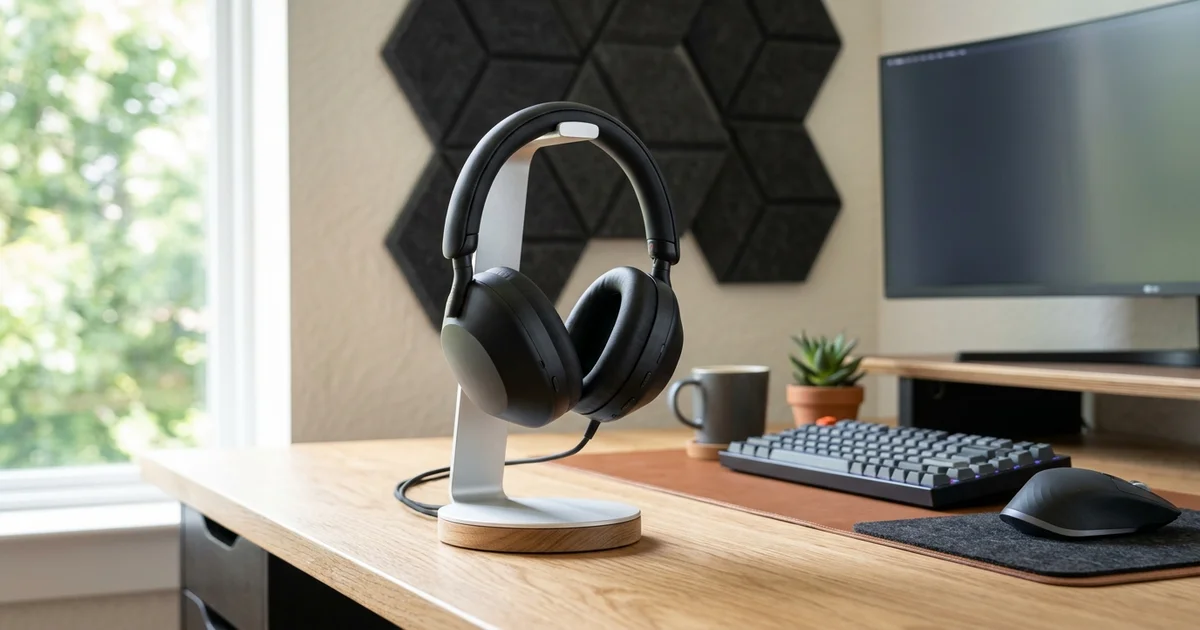
- Behind your monitor (the wall your voice hits during calls)
- On the wall behind you (prevents bounce-back)
- On the ceiling above your desk (for echoey rooms)
Budget foam panels ($20-40 for a 12-pack) work but look terrible. Companies like Felt Right make decorative acoustic panels ($100-300 each) that double as wall art if aesthetics matter.
Door and Window Sealing: Cheap and Effective
A massive amount of noise enters through gaps around your door and windows. Even a quarter-inch gap under your door lets surprising amounts of sound through.
- Door sweep or draft stopper ($10-20): Seals the gap between door and floor. This single modification can reduce audible conversation from the next room by 30 to 50 percent.
- Weatherstripping tape ($5-15): Self-adhesive foam around the door frame seals perimeter gaps. Same principle as sealing against cold air — if air gets through, so does sound.
- Heavy curtains ($20-60): Thick, densely woven blackout curtains absorb sound that would bounce off glass. Floor-to-ceiling curtains extending past the window frame create the best seal against street noise.
These modifications are cheap, reversible for renters, and collectively make a noticeable difference.
Solid Core Door: The Big Upgrade
Most interior doors are hollow core — two thin sheets with air between them. They block almost no sound. If you hear conversations clearly through your closed door, you have a hollow core door.
A solid core replacement ($100-250 plus installation) blocks 50 to 70 percent more sound. Combined with a sweep and weatherstripping, it makes your office feel genuinely isolated. It's a weekend DIY project or a quick handyman job. Renters can store the original door and reinstall when they leave.
The Bookshelf Barrier
A bookshelf filled with books against a shared wall is a surprisingly effective DIY sound barrier. Books are dense and varied in size, which helps absorb different frequencies. Position it against the wall separating your office from the noisiest room. Fill it completely — no gaps. Bonus: it makes a professional Zoom background.
The Layered Approach
No single solution makes your office soundproof. But combining strategies creates a layered defense:
- Seal door gaps — sweep and weatherstripping ($25)
- White noise machine near the noise source ($50)
- Heavy curtains over windows ($40-80)
- Acoustic panels behind your monitor ($30-50)
- Filled bookshelf against the noisiest wall (cost of books you own)
Total: $145-205. For moderate household noise, this combination reduces audible distractions by 60 to 80 percent — often enough to eliminate headphones during non-call work.
For calls and meetings, a quality pair of noise-canceling headphones handles the final layer. The difference: you wear them for one to two hours of calls rather than eight hours straight.
If you're building your full home office, our best WFH setup guide for 2026 covers everything from desks to audio gear and pairs well with these noise strategies.
When to Call a Professional
If you've implemented everything above and noise persists — particularly structure-borne noise like footsteps or HVAC hum — an acoustics professional can assess your space. Professional soundproofing costs $1,000 to $5,000 for a single room, but for people who depend on quiet for focused work or content creation, it pays for itself in productivity.
Related Reading
Your next step
The strongest single fix: ANC headphones.
Hilly Shore Labs
Editorial TeamWFH Lounge is published by Hilly Shore Labs. Every recommendation is built by synthesizing ergonomic research, manufacturer specs, expert reviews from outlets like Wirecutter, RTINGS, and The Verge, and aggregated long-term owner sentiment from thousands of verified buyers.
All product reviews are independently researched. Our recommendations are based on ergonomic guidelines, manufacturer specifications, and verified buyer sentiment. See our methodology.