1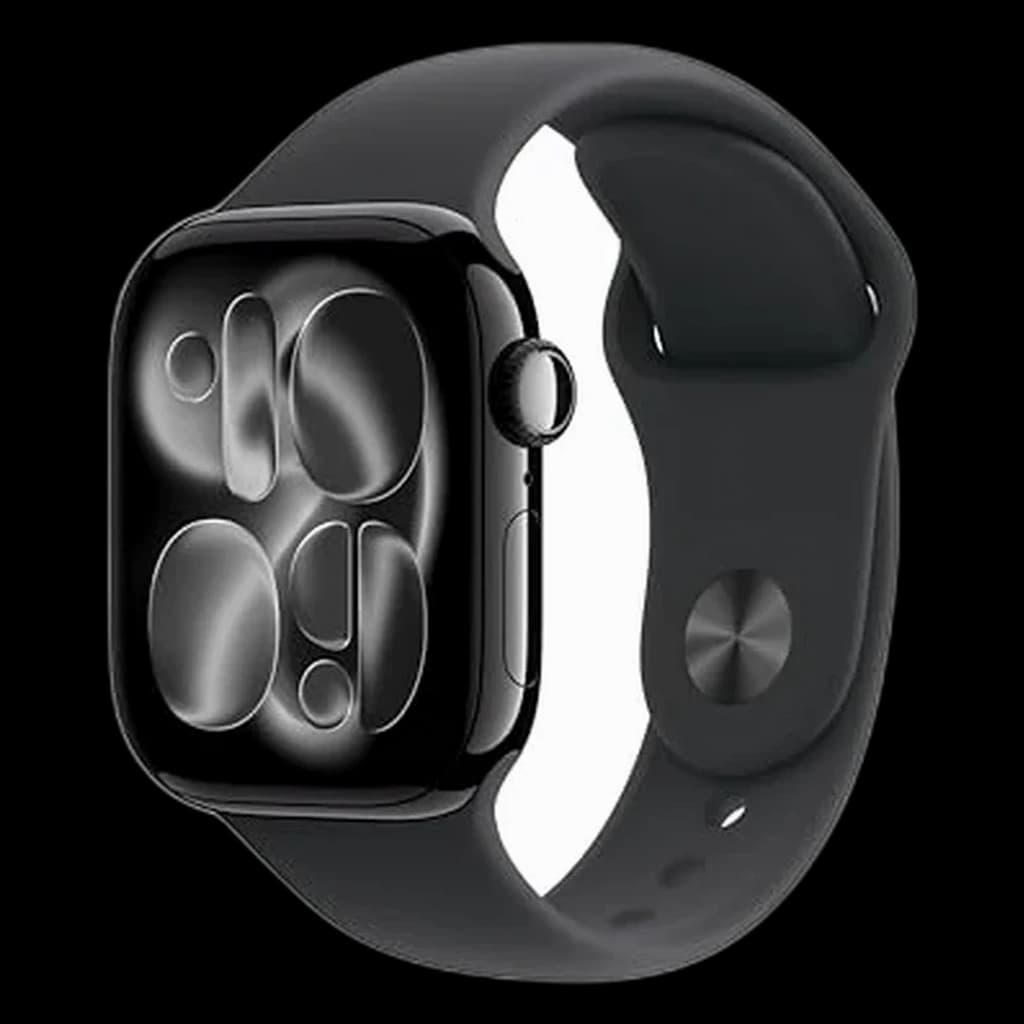 1
1
1Apple Watch Series 11 (GPS, 42mm)
👑 Premium PickThe smartest watch for iPhone users in 2026 — hypertension alerts and faster charging are the headline upgrades.
↑ Quality↑ Functionality↑ Value for money
$399 Buy on Amazon
WFH Lounge · Best Picks
Smartwatches and fitness trackers built for desk workers - sedentary alerts, calendar and notification handling, sleep and stress tracking that turns a static WFH day into a measurable one.
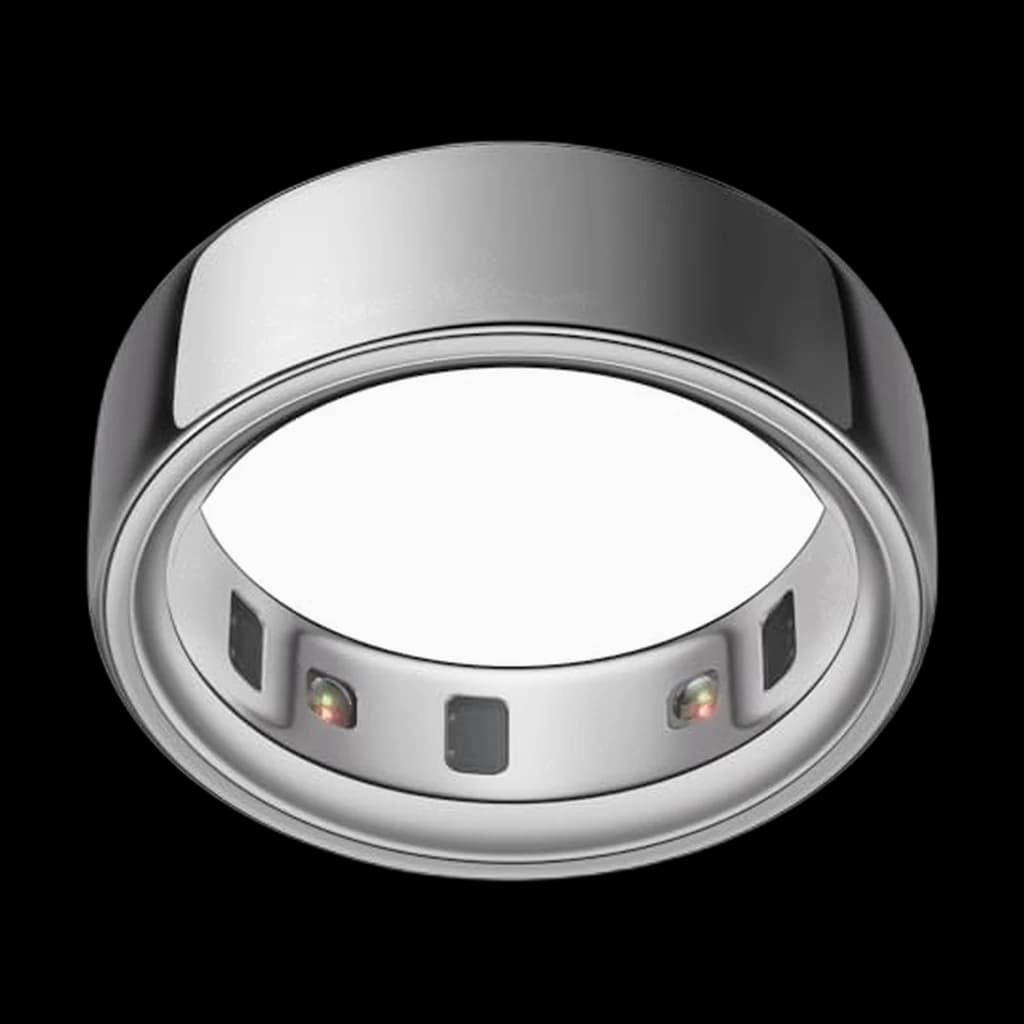
For remote workers the pick follows your phone: Apple Watch Series 11 for iPhone, Garmin Venu 4 for Android or anyone who wants a 12-day battery, and a Fitbit Charge 6 or Oura Ring 4 if you would rather not have a screen on your wrist during meetings.
Top pick
Apple Watch Series 11 (GPS, 42mm)
Series 11 replaces Series 10 with hypertension detection, 5G, and a tougher Ion-X display.
Buy on AmazonValue pick
Fitbit Charge 6
$129.90 gets the sedentary-alert, sleep and heart-rate stack that matters at a desk, with a 7-day battery and no watch face to distract you mid-meeting.
Buy on AmazonBudget pick
Apple Watch SE 3 (GPS, 40mm)
The cheapest Apple Watch worth buying at $249 — always-on display, sleep apnea alerts and the same notification and Focus-mode handling as the Series 11.
Buy on AmazonSkip this
Buying any smartwatch for stress-score tracking as the primary reason — Daily stress scores derived from heart rate variability swing wildly with caffeine, hydration, sleep debt, and time of day. They look like a precise number on a screen but they are not actionable within a single workday. Buy these devices for sedentary alerts, sleep tracking, and notification handling. Treat the stress score as a 30-day trend at best, and ignore the within-day spikes.
1The smartest watch for iPhone users in 2026 — hypertension alerts and faster charging are the headline upgrades.
 2
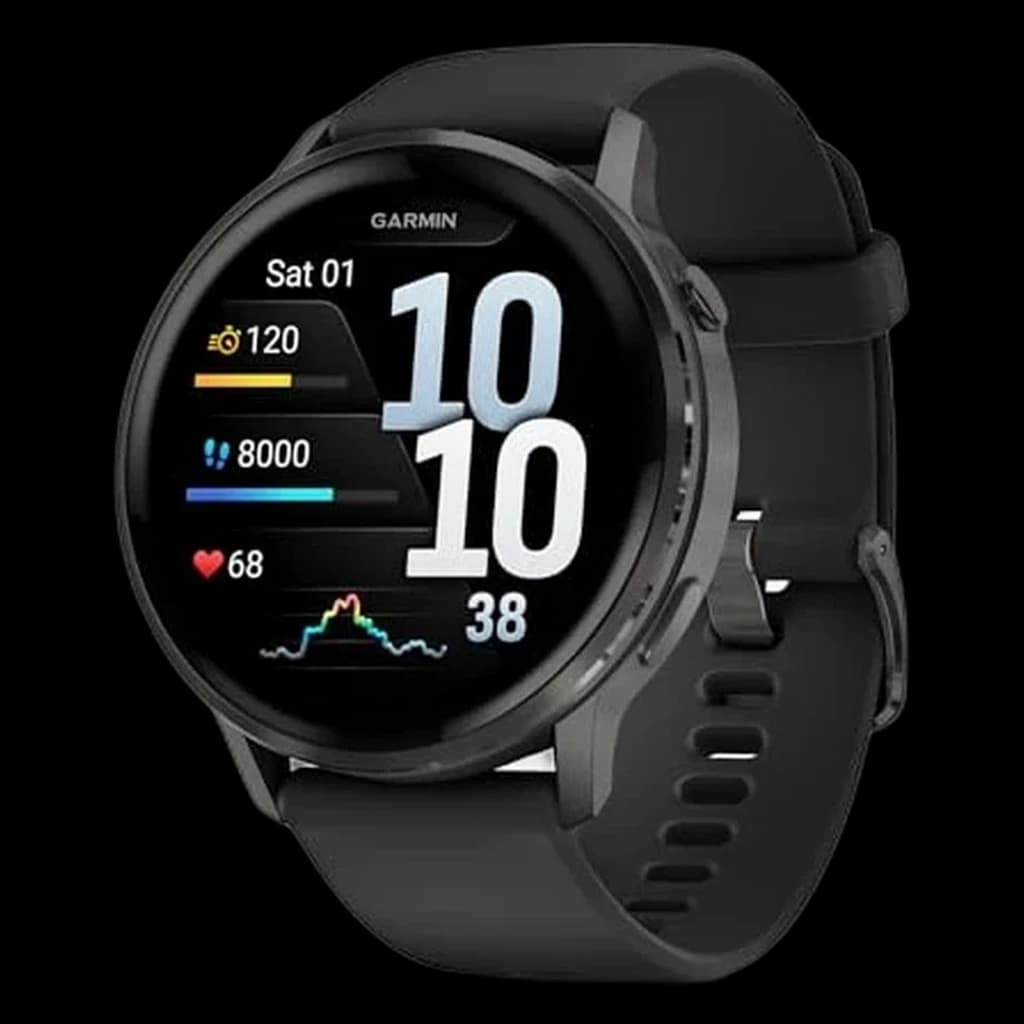
2The fitness-first smartwatch with a 12-day battery that makes Apple Watch look thirsty.
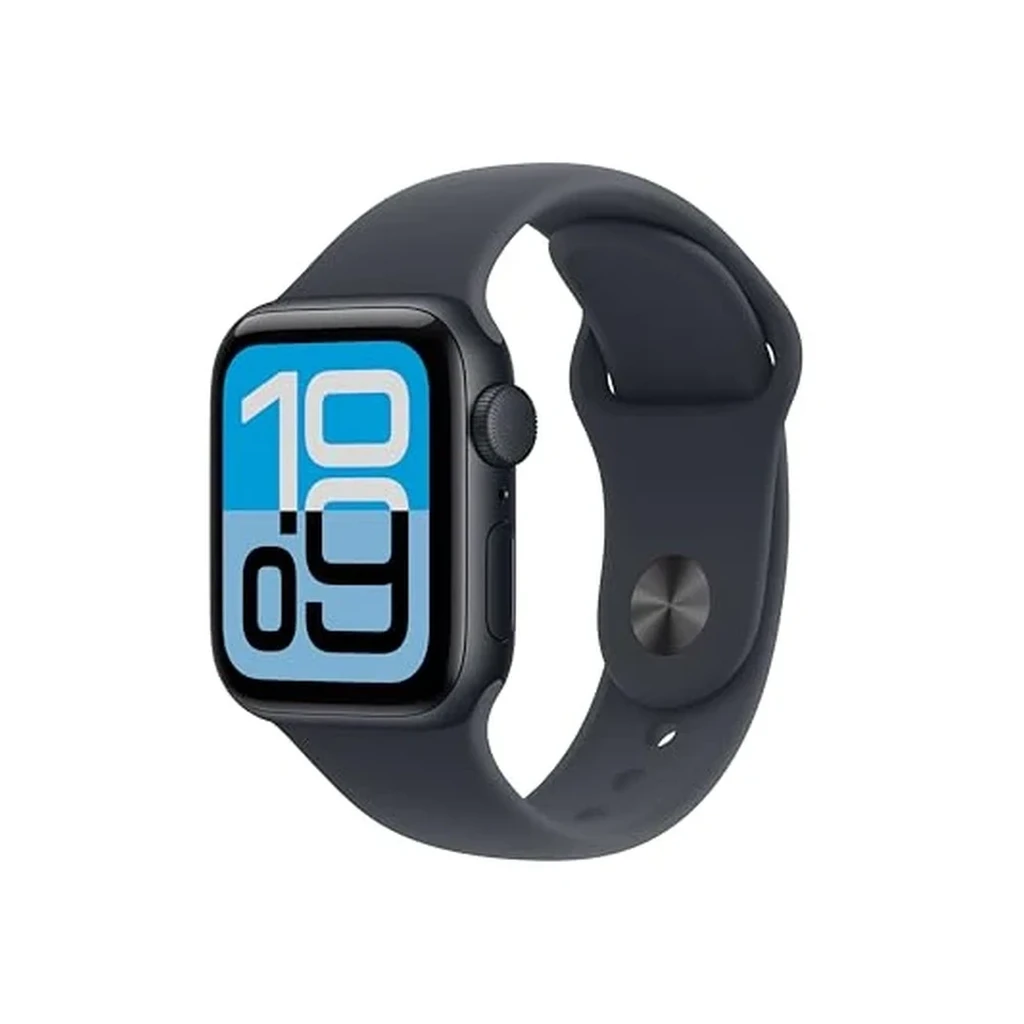 3
3The best value Apple Watch in 2026 — adds always-on, sleep apnea, and temp sensing under $250.
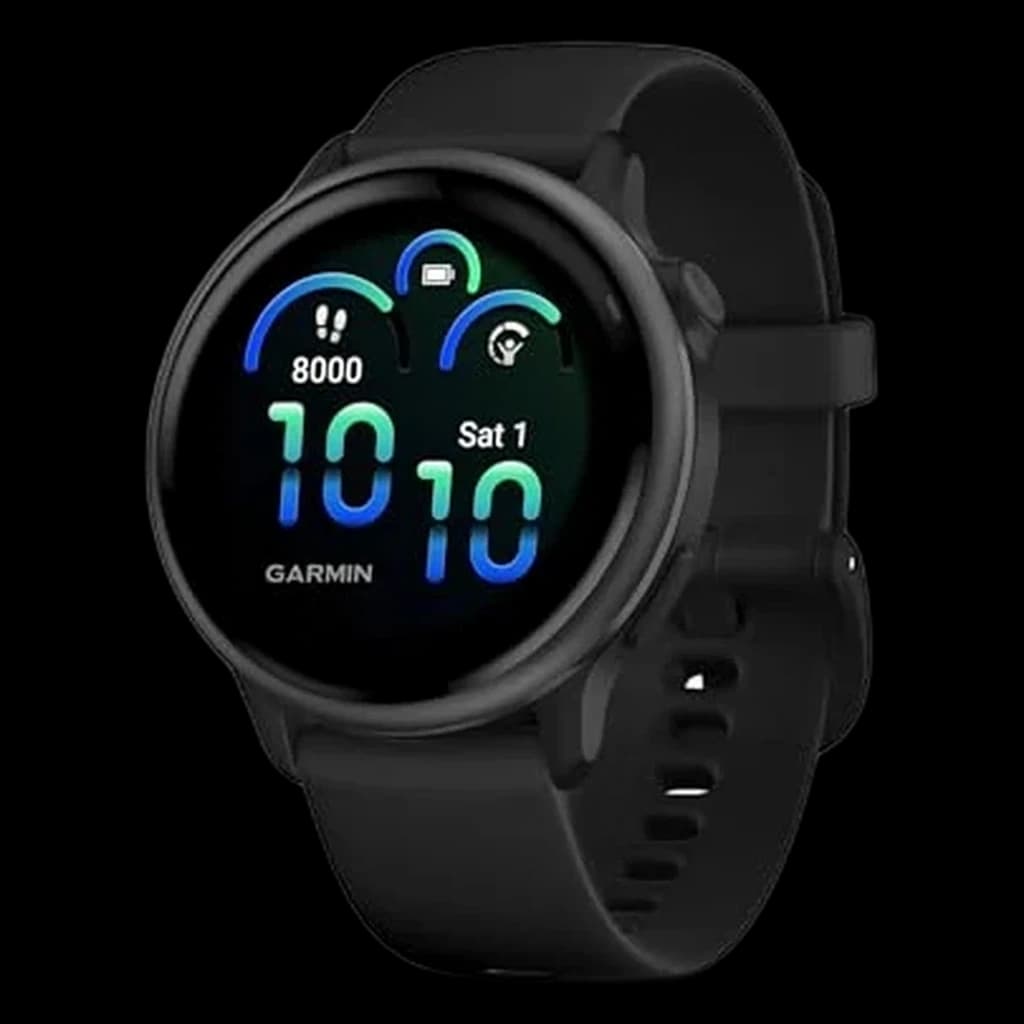 4
4The mid-range Garmin sweet spot — AMOLED, 11-day battery, offline music under $300.
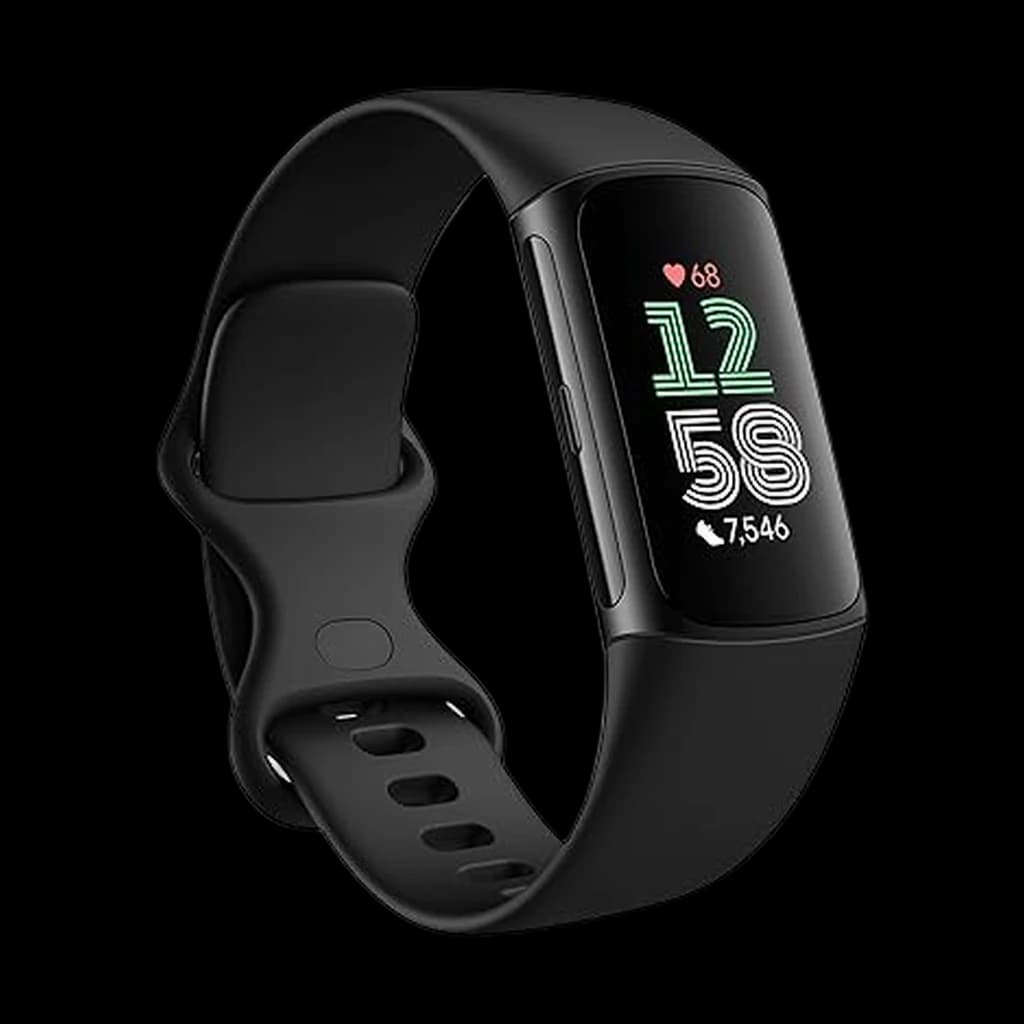 5
5The slim band that handles sedentary alerts and sleep tracking without dominating your wrist - the workhorse tracker
| Spec | |||||||
|---|---|---|---|---|---|---|---|
| Buy | |||||||
WFH Scoremethodology → | Health & Fitness Tracking 82 Battery Life 76 Build & Display 88 Value 65 Owner Satisfaction 86 | Health & Fitness Tracking 80 Battery Life 74 Build & Display 80 Value 64 Owner Satisfaction 81 | Health & Fitness Tracking 82 Battery Life 76 Build & Display 88 Value 78 Owner Satisfaction 85 | Health & Fitness Tracking 74 Battery Life 68 Build & Display 80 Value 75 Owner Satisfaction 70 | Health & Fitness Tracking 87 Battery Life 66 Build & Display 72 Value 74 Owner Satisfaction 50 | Health & Fitness Tracking 85 Battery Life 82 Build & Display 85 Value 65 Owner Satisfaction 62 | Health & Fitness Tracking 82 Battery Life 70 Build & Display 76 Value 63 Owner Satisfaction 77 |
| Buyer sentiment | Quality Functionality Value for money Health Monitoring Buyers praise quality, functionality, value for money and health monitoring. Mixed feedback on battery life and size. Based on 604 user mentions | Functionality Design Battery life Features Buyers praise functionality, design, battery life and features. Based on 295 user mentions | Quality Functionality Value for money Ease Of Use Buyers praise quality, functionality, value for money and ease of use. Mixed feedback on battery life and compatibility. Based on 936 user mentions | Design Battery life Usability Features Reliability Buyers praise design, battery life, usability and features. Some flag reliability. Based on 621 user mentions | Durability Battery Life Mixed feedback on reliability and accuracy. Some flag durability and battery life. Based on 4,845 user mentions | Sleep Tracking Battery Life Functionality Value for money Buyers praise sleep tracking. Mixed feedback on quality and accuracy. Some flag battery life and functionality. Based on 3,009 user mentions | Quality Battery Life Appearance Setup Buyers praise quality, battery life, appearance and setup. Mixed feedback on reliability. Based on 489 user mentions |
| Display | 1.96-inch LTPO3 always-on OLED, 2000 nits | 1.4-inch AMOLED 454x454 (45mm) | Retina LTPO OLED always-on (new for SE) | 1.2-inch AMOLED 390x390 | 1.04-inch color AMOLED | — | 1.27-inch AMOLED, 3000 nits, always-on |
| Battery | 24 hours (up to 38 hr Low Power) | Up to 12 days smartwatch / 23 hr GPS | 18 hours (up to 36 hr Low Power) | Up to 11 days smartwatch / 21 hr GPS | Up to 7 days | Up to 8 days | 30 hours (41mm) / 40 hours (45mm) |
| GPS | Precision dual-frequency (L1+L5) | Multi-band GNSS (GPS, GLONASS, Galileo) | Single-band | Single-band GPS, GLONASS, Galileo | — | — | Dual-band (L1+L5) |
| Health Sensors | ECG, SpO2, temperature, hypertension, sleep apnea | Elevate Gen5 HR, Pulse Ox, ECG, skin temp, sleep coach | Heart rate, sleep apnea, sleep score, wrist temp, fall/crash detection | Elevate Gen4 HR, Pulse Ox, sleep coach, body battery, stress | Heart rate, SpO2, skin temperature, EDA stress sensor, ECG | Heart rate, HRV, skin temperature, SpO2, accelerometer | Heart rate, ECG, SpO2, skin temp, EDA, loss-of-pulse detection |
| Weight | 30 g (42mm aluminum) | 47 g | 26.4 g (40mm) | 36 g | — | — | 31 g |
| Water Resistance | WR50 + IP6X | 5 ATM | WR50 + IP6X | 5 ATM | 50 meters | 100 meters | 5 ATM + IP68 |
| Compatibility | iPhone Xs or later, iOS 26+ | iOS and Android | iPhone Xs or later, iOS 26+ | iOS and Android | — | — | Android 10+ (no iPhone) |
| Connectivity | — | — | — | — | GPS, Bluetooth, NFC for Wallet | Bluetooth Low Energy | — |
| Form Factor | — | — | — | — | — | All-titanium ring | — |
* Prices checked Sep 12, 2026 and may not reflect current rates. As an Amazon Associate I earn from qualifying purchases.
As an Amazon Associate I earn from qualifying purchases. Product prices and availability are subject to change.
The 2024 npj Mental Health Research study underpinning this page used a within-person encouragement design to test three-minute sedentary breaks in daily life, and reports that brief breaks may improve valence and energetic arousal - mood and felt energy. Three minutes is the entire intervention. That is why the useful question at a desk is whether you stand up when the watch buzzes, not how much the watch cost.
Threads in r/HomeOffice, r/AppleWatch and r/Garmin break the same way every time. Platform comes first: iPhone households default to an Apple Watch, Series 11 or the cheaper SE 3, because nothing else handles iMessage, calendar and Focus modes as cleanly. Battery comes second: people who moved to a Garmin Venu 4 or vivoactive 6 mostly did it to stop charging every night and to keep sleep tracking uninterrupted. And there is a steady minority who deliberately choose a screen-free tracker or ring, on the grounds that a wrist full of notifications is the last thing a day of video calls needs.
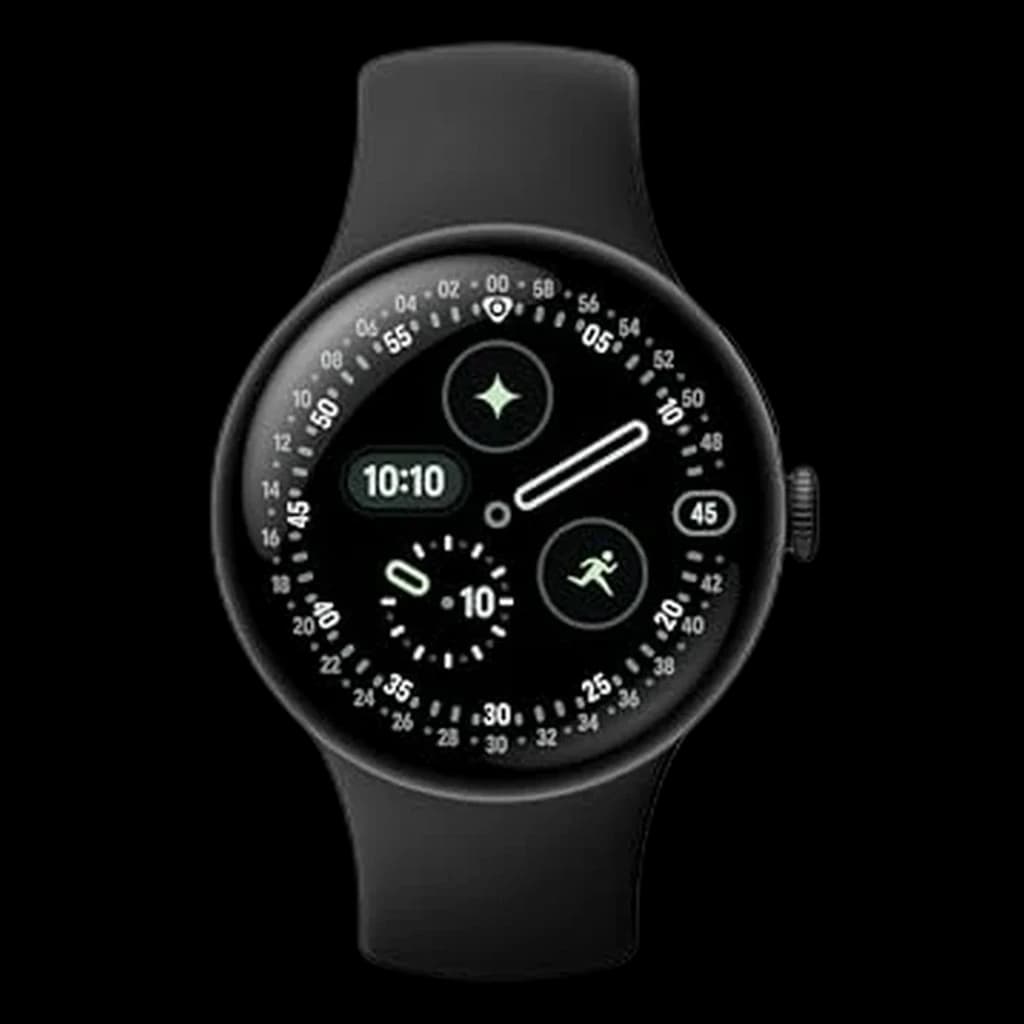
For a remote worker, the highest-value features on a smartwatch or tracker are not the ones the marketing pages lead with. VO2 max estimates, running dynamics and dive computers do nothing for a day spent in a chair. What matters between calls is a nudge to get up, notification handling good enough to triage without picking up the phone, sleep tracking you will actually read, and a charging habit that fits your workday. The first split is platform. iPhone users get the deepest integration from an Apple Watch - Series 11 at $399 if the budget supports it, SE 3 at $249 otherwise. Both carry a speaker and a voice-isolating microphone, so you can take a call on your wrist while you finish what you were typing, and both inherit the iPhone's Focus modes, so a Do Not Disturb block silences the watch along with the phone. Android users are choosing between the Pixel Watch 4 at $349.99, which also has a built-in speaker and microphone, and Garmin: the Venu 4 at $499.99 and the vivoactive 6 at $299.99 both work with iOS and Android, the Venu 4 accepts an incoming call on the watch, and the vivoactive 6 is the cheaper way to buy the battery life. The second split is form factor. A watch keeps a phone channel on your wrist. A band or a ring is tracking only: the Fitbit Charge 6 at $129.90 has no speaker or microphone - among Fitbits, only the Sense and Versa smartwatches do - so a call still has to be taken on the phone, and the Oura Ring 4 at $349 has no screen at all, which is exactly why some people choose it for a day of video calls. The third consideration is the shape of the sedentary nudge, because the interval is not yours to set. Garmin's move alert fires after one hour of inactivity; on a Venu 4 or vivoactive 6 you can change the alert type, which movements clear it and whether 30, 45 or 60 seconds of movement counts - not the hour. Apple's Stand ring counts hours in which you stood and moved for at least a minute, and the reminders are an on-or-off setting under Activity. Fitbit asks for 250 steps an hour, prompts 10 minutes before the hour, and lets you change only the window, which defaults to 9 a.m. to 6 p.m. Buy the cadence you will actually obey. Battery decides your charging habit, and the spread is enormous: Venu 4 up to 12 days, vivoactive 6 up to 11 days, Oura Ring 4 up to 8 days, Charge 6 up to 7 days, Pixel Watch 4 30 hours at 41mm and 40 hours at 45mm, Series 11 24 hours, SE 3 18 hours. Anything under about 36 hours means sleep tracking shares the day with a charging window - usually a top-up while you shower or during a meeting you can take on the laptop. If you resent that, buy the Garmin. Finally, skip stress scores as a primary purchase reason. Every wearable here computes one from heart rate variability, and the daily number swings with caffeine, hydration and a bad night's sleep. Read it as a 30-day trend. Sleep tracking, by contrast, is mature enough on every device on this list to be worth acting on.
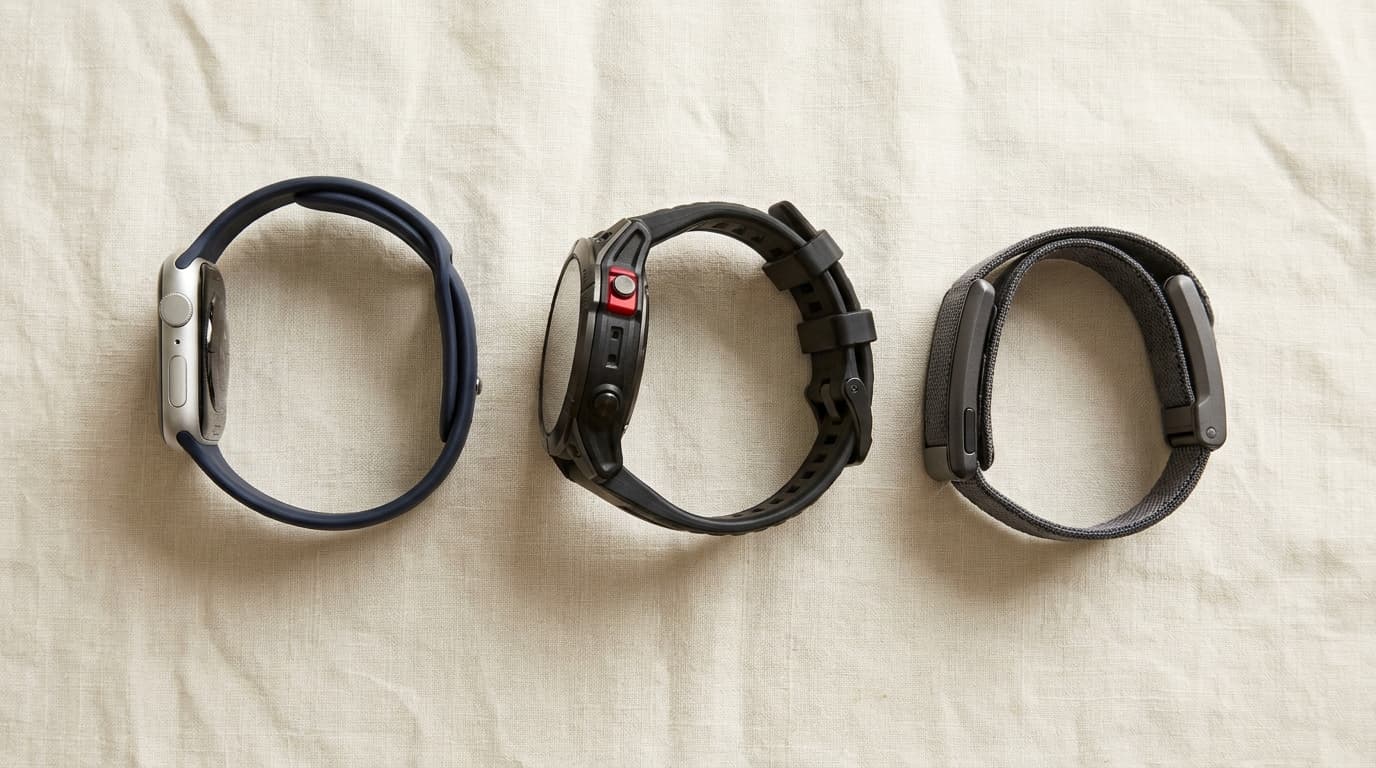
The 7 best smartwatches and fitness trackers for WFH desk workers - Apple Watch Series 11 wins on iPhone, Garmin Venu 4 cross-platform, Oura Ring 4 if you want ...
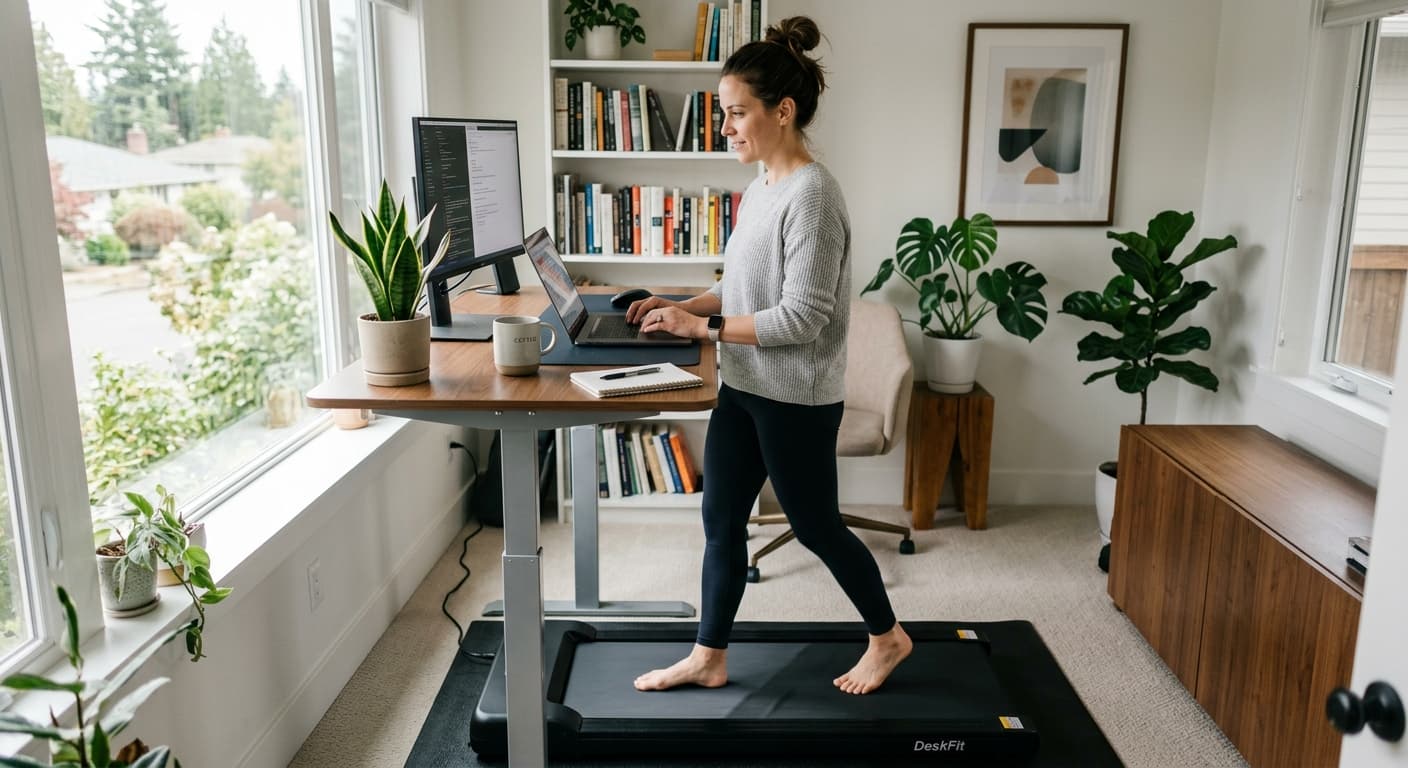
Best under-desk treadmills 2026 — GOYOUTH 2-in-1, LifeSpan TR1200, and more reviewed for noise, max speed, weight capacity, and real-world WFH usability.