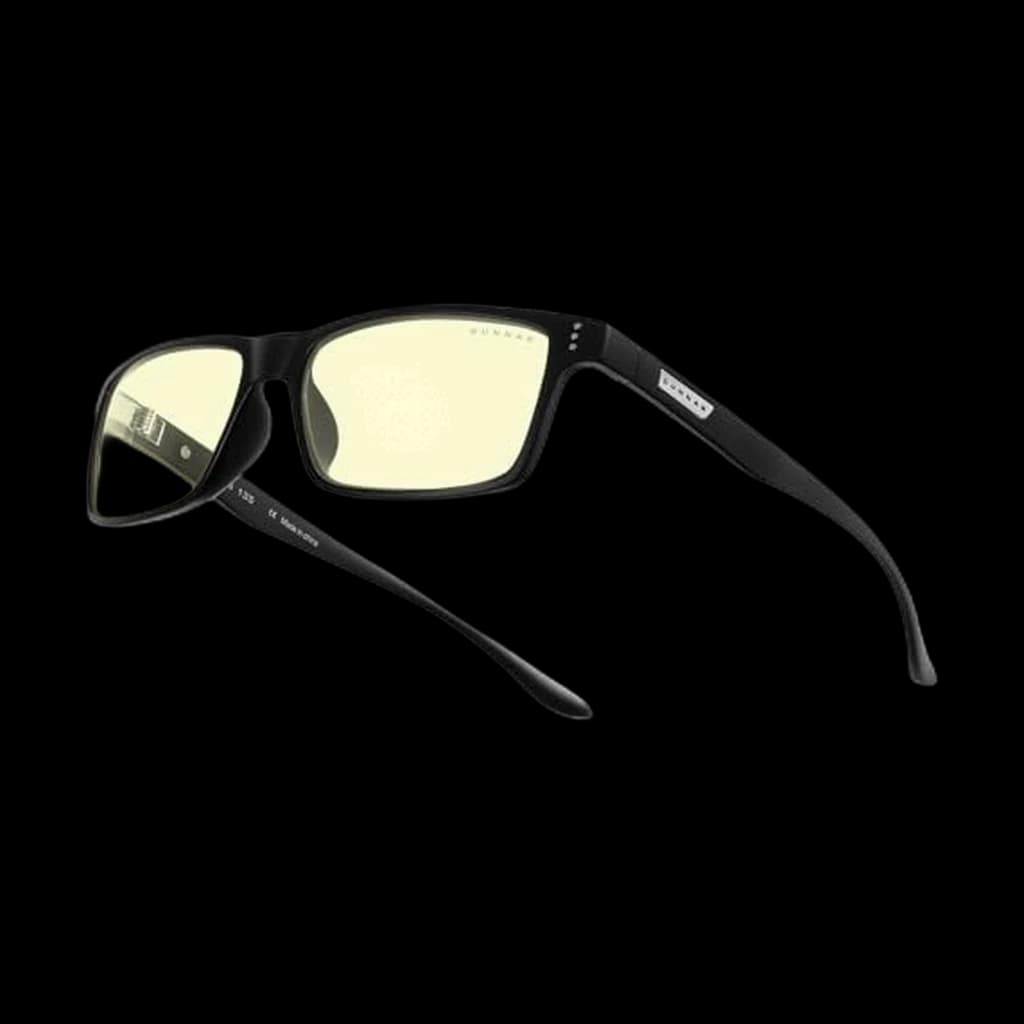
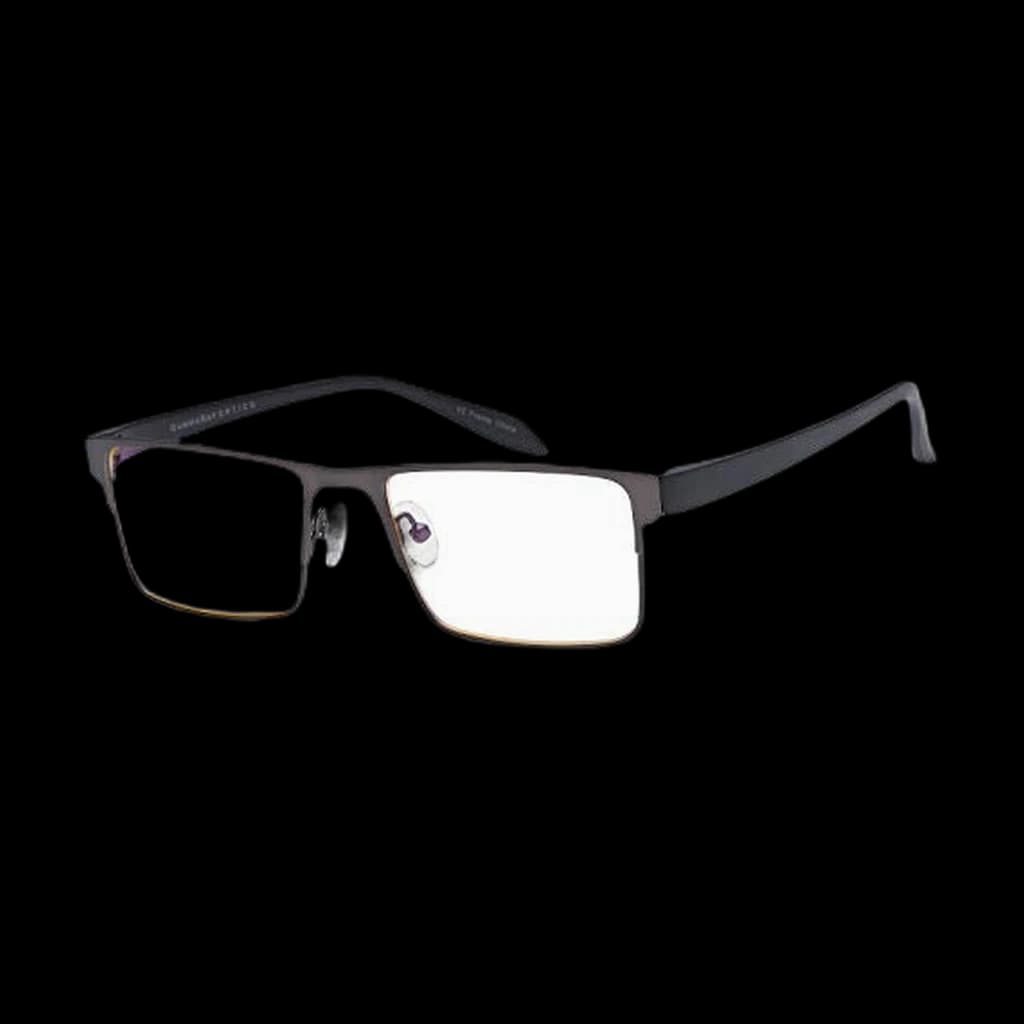
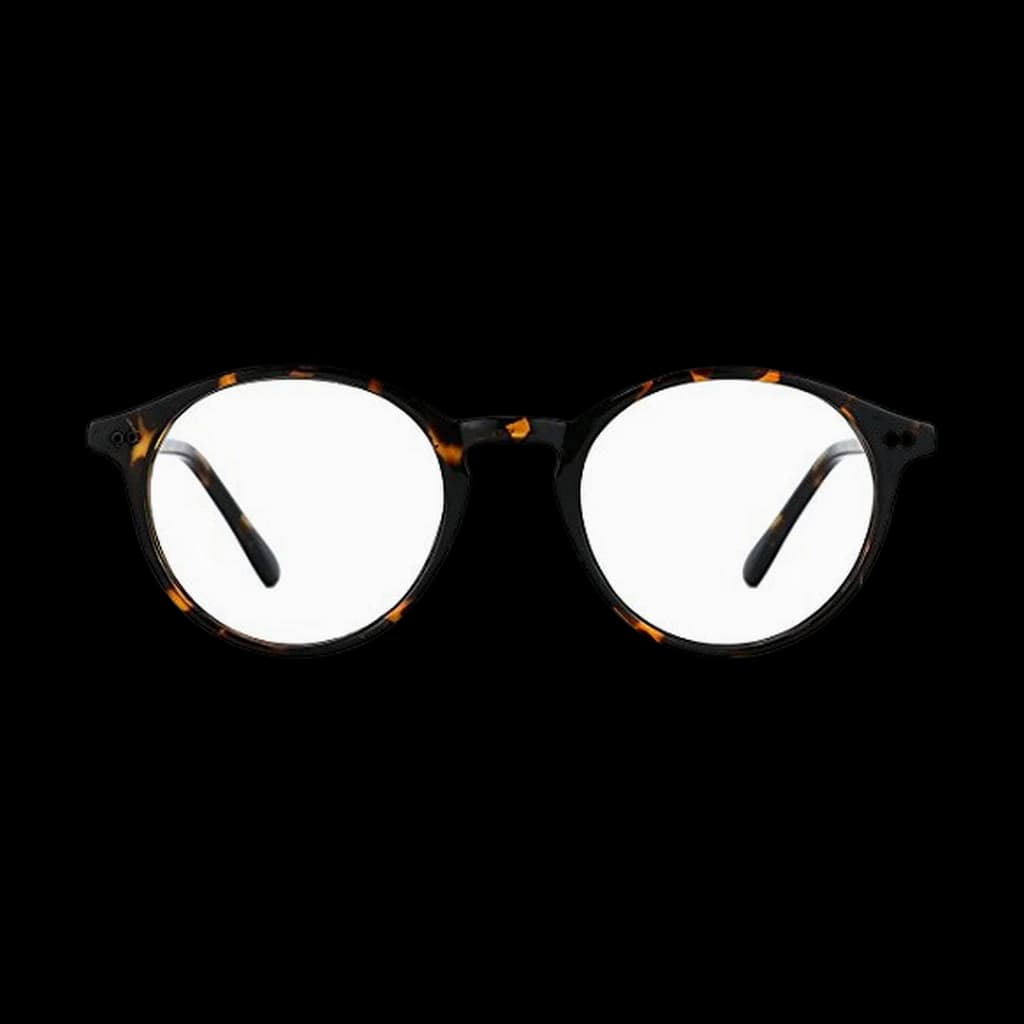
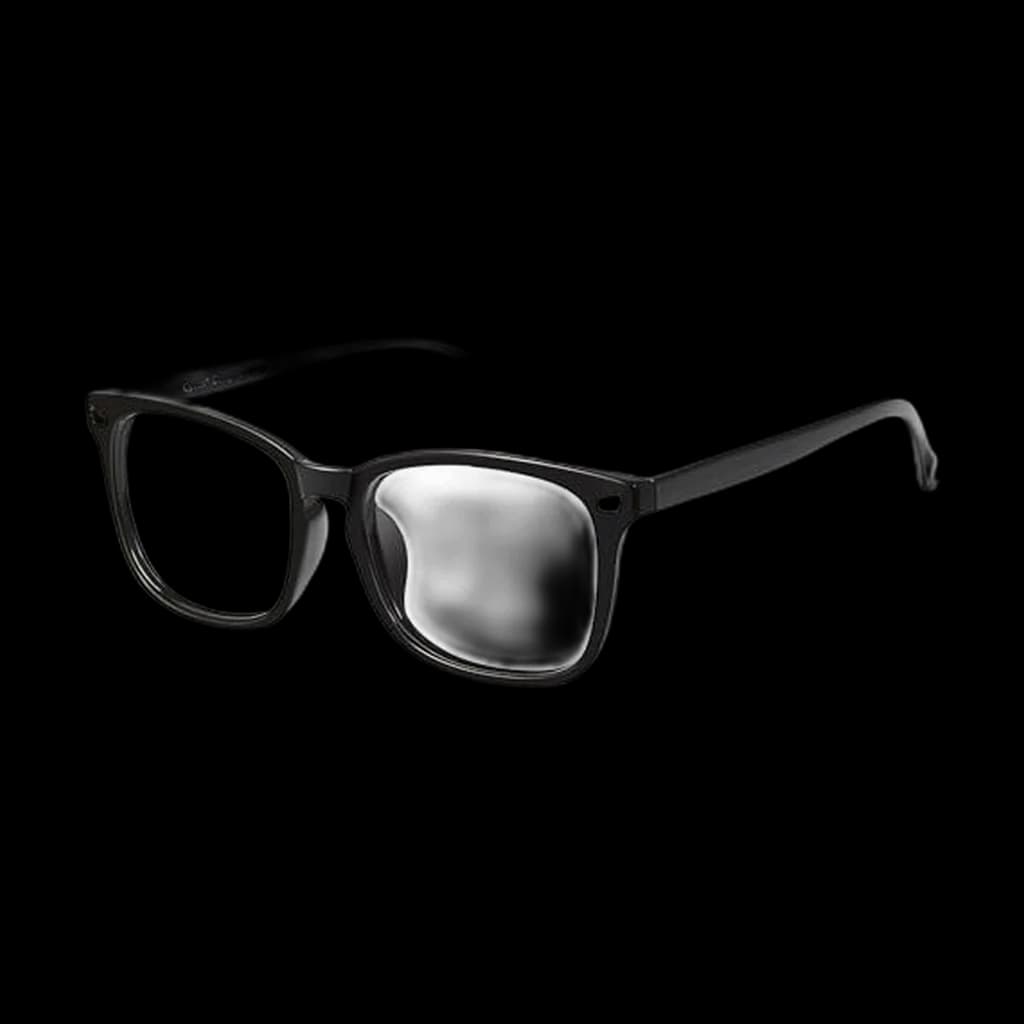
Blue light glasses are one of the most over-marketed categories in the WFH gear market, and any honest buying guide has to start there. The American Academy of Ophthalmology has published a clear position since 2017: there is no high-quality clinical evidence that blue-light filtering lenses prevent digital eye strain, reduce headaches, or improve sleep when worn during the day. A 2023 Cochrane systematic review of 17 randomized trials reached the same conclusion, finding no measurable improvement in visual symptoms or sleep quality from blue-light filtering compared to clear lenses. That does not mean the category is useless. It means buyers should buy these glasses for the right reasons. The right reasons are: comfortable, lightweight frames designed to be worn for 8-10 hours in front of a screen; high-quality anti-reflective coatings that genuinely cut glare from monitors and overhead lighting; and the small psychological benefit some users report from having a dedicated computer-only pair that signals 'work mode' versus everyday glasses. The wrong reasons are: expecting the lenses to prevent eye strain, fix headaches, or help you fall asleep faster after evening screen time. Eye strain at the computer is overwhelmingly caused by reduced blink rate, screen glare, poor lighting, screen distance, and uncorrected refractive error - not by blue light wavelengths. The fix is the 20-20-20 rule (every 20 minutes, look 20 feet away for 20 seconds), proper ambient lighting that matches screen brightness, a screen positioned 20-28 inches from your eyes with the top edge at or just below eye level, and an actual eye exam if symptoms persist. If after that triage you still want a dedicated computer pair, the category breaks into three honest tiers. Premium DTC brands like Felix Gray and Warby Parker make genuinely well-built frames in modern shapes with prescription options, sold mostly through their own sites; they typically run $95-$165. Gunnar Optiks dominates the gaming-adjacent mid tier with heavier amber tints and wraparound frames built for long sessions; their tints are stronger than most because they target gaming color shift rather than office work. Budget Amazon brands like GAMMA RAY, TIJN, and Cyxus run $15-$30 and offer the same lens claims at a fraction of the price - the frames are fine, the coatings are real, and if you accept the underlying lens science is unsettled, you may as well save the money. Two practical considerations worth more than tint percentage: frame fit matters far more than lens specs (a frame that pinches your temples after three hours will get abandoned regardless of what the lenses do), and if you already wear prescription glasses, ask your optometrist for an anti-reflective coating instead of buying a separate pair - it solves the actual screen-glare problem cleanly.
 1
1