Best Desktops & Mini PCs for WFH 2026: 10 Picks Ranked
Our #1 Pick
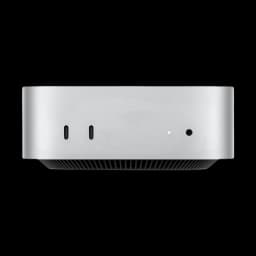
Apple Mac mini M4 (10-core CPU, 16GB RAM, 256GB SSD, Late 2024)
The Mac mini M4 is still the fastest single-core desktop under $1,300 and near-silent at idle, with 16GB RAM standard, three Thunderbolt 4 ports and front USB-C. One catch: Amazon has no first-party stock left, so this 16GB/256GB build at $1,049.99 is the only config with a working buy box - and the M6 successor pre-orders at $1,069.99, shipping September 22, 2026.
- 16GB unified memory standard - no upgrade needed for typical WFH work
- Geekbench 6 single-core 3,788 beats every Windows mini PC including the $1,295 MINISFORUM AI X1 Pro
- 5 by 5 inch footprint hides behind any monitor
Price checked Sep 4, 2026 — verify the live price on Amazon.
Also Great
Best Windows mini PC under $700: GEEKOM A9 Max (Ryzen 9 8945HS, 32GB / 2TB) ($649) — Aluminum chassis, 3-year warranty, 32GB DDR5 + 2TB NVMe standard, USB4 single-cable docking - the most refined Windows mini PC at this price
Best premium Windows mini PC: Beelink SER10 MAX (Ryzen AI 9 HX 370) ($999) — 12 cores, 24 threads, fastest mini PC iGPU on the market, 50 TOPS NPU clears Copilot+ threshold
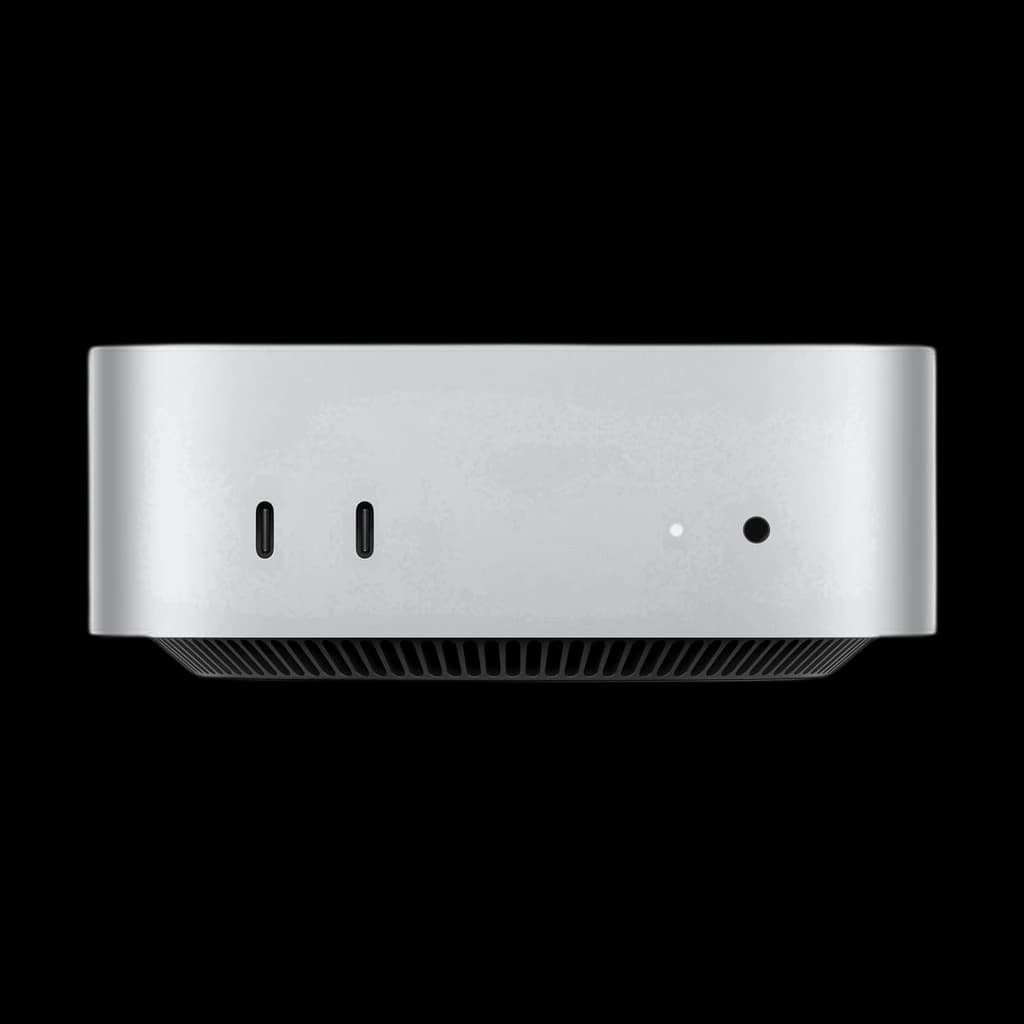 #1 4.8 | 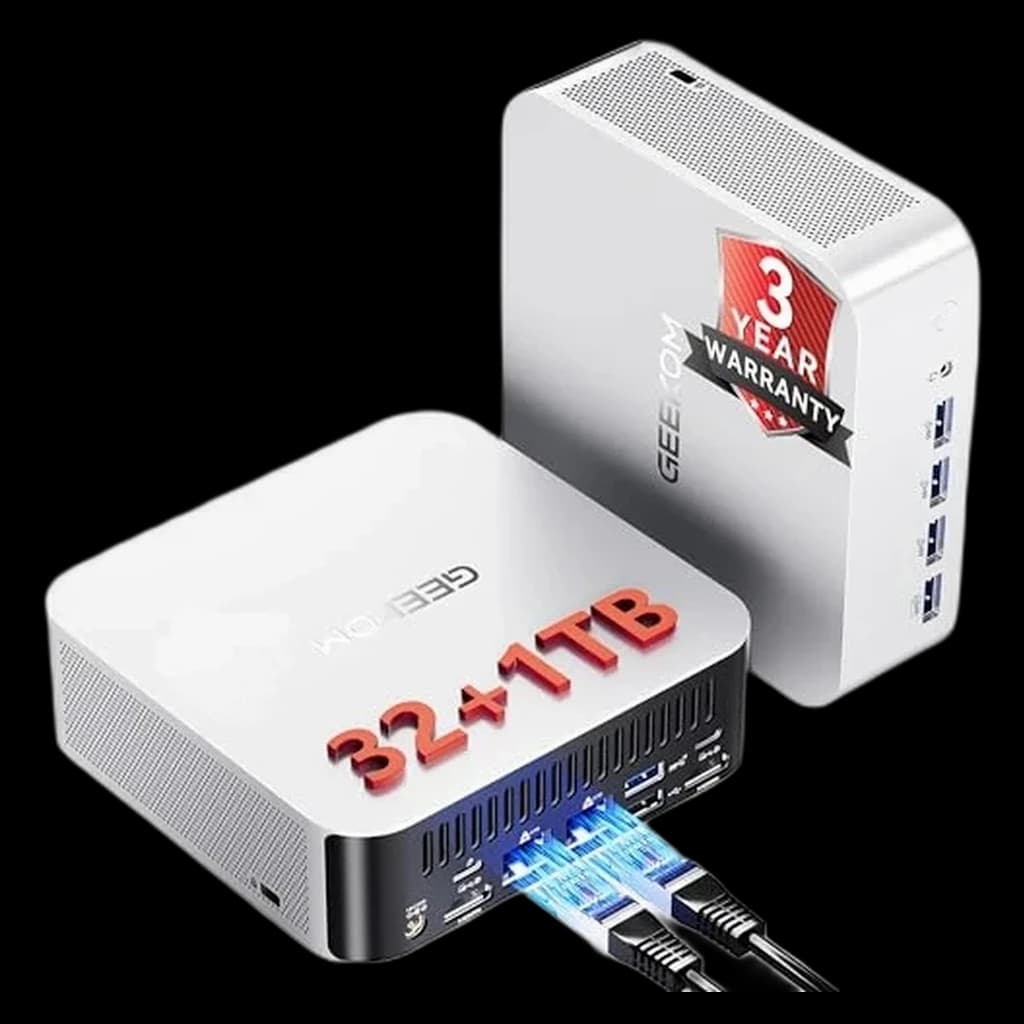 #2 4.2 | 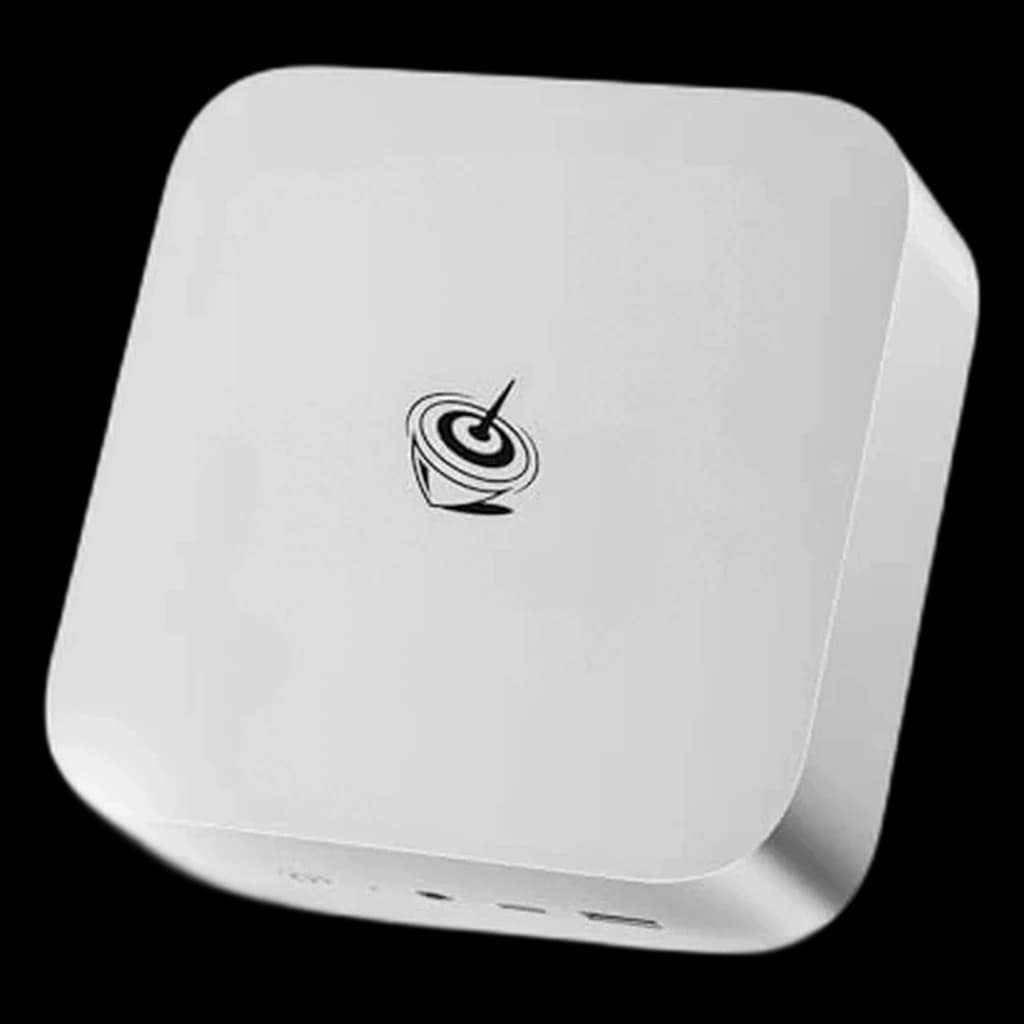 #3 4.3 | 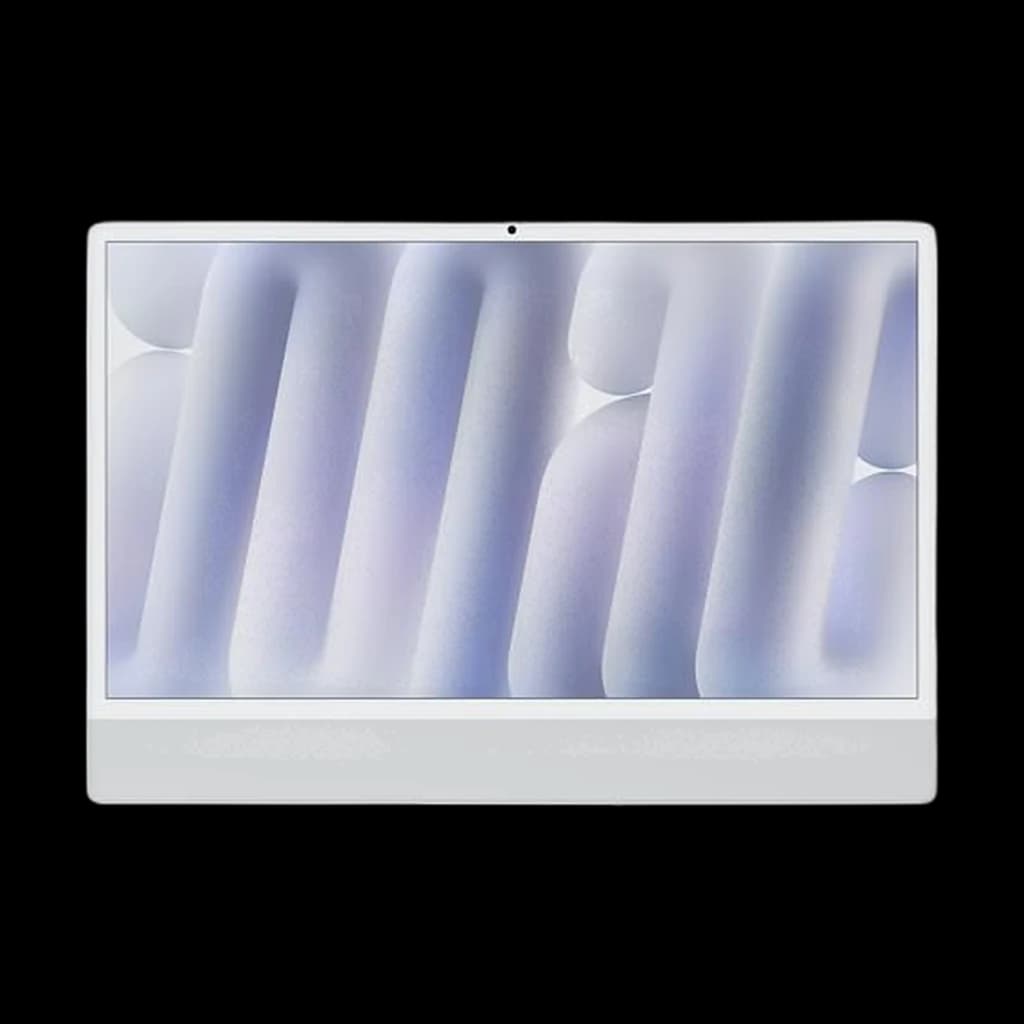 #4 4.7 | |
|---|---|---|---|---|
| Price | $1,049.99Not sold on Amazon right now | $1,169.10Buy on Amazon | $1,479Buy on Amazon | $1,424Buy on Amazon |
| Verdict | Best overall - fastest single-core in the category | The A8 successor: Zen 5 + 80 TOPS NPU + Wi-Fi 7 in the same compact shell. Best AMD mini PC for AI workloads. | Direct SER9 successor with refreshed HX 470 silicon and 10Gbps LAN — best for home-lab tinkerers needing fast networking. | Best all-in-one in 2026 - 4.5K Retina display, M4 chip, redesigned 12MP Center Stage camera. |
| Buyer sentiment | Performance Value for money Compact Size Speed Buyers praise performance, value for money, compact size and speed. Mixed feedback on connectivity. Based on 973 user mentions | Speed Size Compact Size Value for money Buyers praise speed, size, compact size and value for money. Mixed feedback on performance and noise level. Based on 350 user mentions | AI Performance Network Speed Display Price Buyers praise ai performance, network speed, display. Some flag price. Based on 95 user mentions | Performance Setup Speed Appearance Ports Buyers praise performance, setup, speed and appearance. Mixed feedback on screen size. Some flag ports. Based on 237 user mentions |
| Specs |
|
|
|
|
| Pros |
|
|
|
|
| Cons |
|
|
|
|
* Prices checked Sep 4, 2026 and may vary. Check the latest price on Amazon.
We research — never hands-on. How we research →
Worth the upgrade
The Mac mini wins on value, but if your workload is RAM-hungry — local AI models, heavy VMs, big datasets — the Minisforum AI X1 Pro's spec ceiling is the step up that saves you replacing the whole machine in two years.
Key Takeaways
Mac mini M4 wins overall ($1,049.99 on Amazon). GEEKOM A9 Max best Windows mini PC under $700. Beelink SER10 MAX best Ryzen AI 9. Ten desktops ranked.

As an Amazon Associate I earn from qualifying purchases. Product prices and availability are subject to change.
The 2024 to 2025 chip generation reset the desktop math entirely. Apple's M4 Mac mini turned the cheapest desktop Apple makes into the single best-value WFH computer on the market - and its M6 successor is already on Amazon for pre-order, shipping September 22, 2026. On the Windows side, AMD's Ryzen AI 300 series and Intel's Core Ultra 200 closed most of the multi-core gap and added on-device NPUs for Copilot+ workloads. After researching 30+ desktops and mini PCs across Wirecutter, Tom's Hardware, ServeTheHome, NotebookCheck, and the r/MiniPCs / r/HomeOffice / r/macsetups communities, these are the 10 picks worth buying in 2026.
Decide in 30 Seconds
| Use Case | Pick | Why | Price |
|---|---|---|---|
| General WFH (most people) | Mac mini M4 (16GB / 256GB) | Fastest single-core, near-silent | $1,049.99 |
| Willing to wait two weeks | Mac mini M6 (16GB / 512GB) | Pre-order - ships Sept 22, 2026 | $1,069.99 |
| Mac power user | Mac Studio M4 Max | 8K editing, local LLMs, Thunderbolt 5 | $1,999 |
| Windows power user | Beelink SER10 MAX (Ryzen AI 9 HX 370) | Fastest mini PC iGPU, Copilot+ NPU | $999 |
| Premium business mini PC | ASUS NUC 15 Pro+ | Wi-Fi 7, Thunderbolt 4, vPro support | $1,099 |
| Best all-in-one | Apple iMac M4 | 4.5K display + M4 + Center Stage camera | $1,299 |
| Tightest budget | Beelink Mini S13 (N150) | Real Windows 11, 16GB RAM, dual 4K | $199 |
| Maximum upgradability | MINISFORUM AI X1 Pro | 128GB RAM ceiling + OCuLink eGPU | $1,079 |
| IT-managed home office | Lenovo ThinkCentre M75q Gen 5 Tiny | AMD DASH, vPro-class, 1L chassis | $849 |
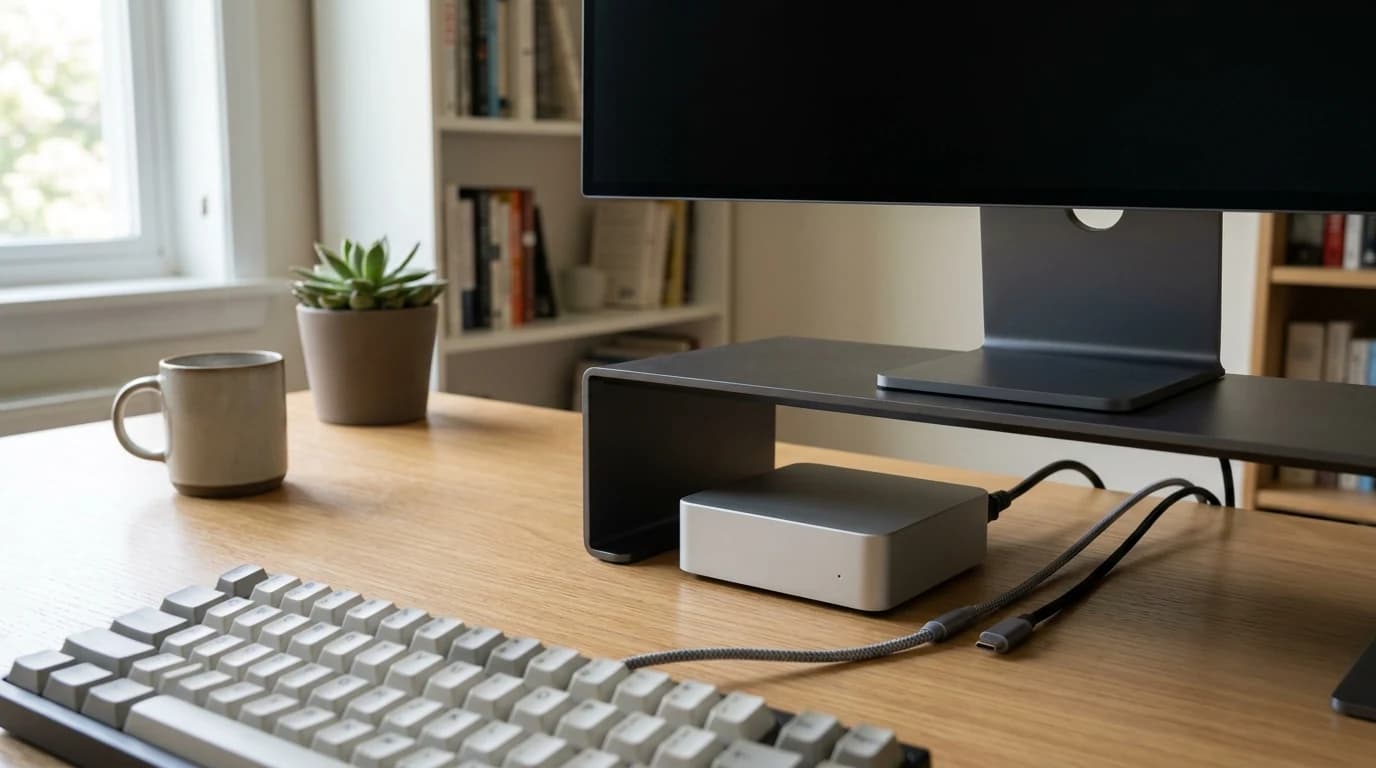
The number that decides it: Geekbench 6 single-core. The M4 scores 3,788; the next-fastest Windows mini PC scores 2,960. Single-core performance is what makes Slack, Chrome, Zoom, and code editors feel snappy day to day.
Our Top Picks
1. Apple Mac mini M4 (16GB / 256GB) - Best Overall
Why it wins. The Mac mini M4 is the right answer for 80% of WFH buyers. Geekbench 6 single-core score is 3,788 - the next-fastest Windows mini PC scores 2,960. Single-core performance is what makes Slack, Chrome, Zoom, and code editors feel snappy day to day, and the M4 wins by 28%, in a 5x5 inch box that is near-silent at idle.
One caveat, and it is about the listing, not the machine. Amazon has no first-party M4 mini stock left. The 16GB/512GB listing this guide used to link has lost its buy box entirely ("see all buying options", high price, confirmed September 4, 2026), and the only M4 config still buyable in one click is this 16GB/256GB build at $1,049.99 from a third-party seller - well above Apple's own $599 list price for it. Check Apple direct before you buy here, and read the M6 note immediately below.
- Best for. Anyone whose work runs on macOS or in a browser, anyone who wants their desk to be quiet, anyone who values resale value 5 years from now.
- Pros. 16GB RAM standard, 5x5 inch footprint, near-silent at idle, three Thunderbolt 4 ports plus front USB-C and headphone jack, drives three displays.
- Cons. 256GB is a tight SSD, and neither RAM nor storage is user-upgradable, so size at purchase. macOS only. Amazon's third-party pricing is the real weakness of this listing.
- Specs. Apple M4 chip, 10-core CPU, 10-core GPU, 16GB unified memory, 256GB SSD, Thunderbolt 4 x 3, HDMI, Gigabit Ethernet.
Not currently buyable on Amazon — no featured offer at the time of our last check (11 Sep 2026).
Pre-order - ships Sept 22, 2026: Apple Mac mini M6 (16GB / 512GB)
Apple's next Mac mini is listed on Amazon at $1,069.99, marked "This item will be released on September 22, 2026. Pre-order now." Per Apple's own listing copy it runs the M6 chip with a 12-core CPU and 12-core GPU, 16GB unified memory and a 512GB SSD, three Thunderbolt 4 ports, HDMI, 2.5Gb Ethernet, two front USB-C ports and a headphone jack, support for up to three external displays, and Wi-Fi 7 plus Bluetooth 6 through Apple's N1 wireless chip. We are not making it the top pick: it has not shipped, nobody has used one, and we do not publish performance claims we cannot source. What we can say is the arithmetic on the two Amazon listings - $1,069.99 for the current-generation machine with 512GB, against $1,049.99 for a year-old 256GB M4 from a third-party seller. If you are buying on Amazon and can wait two weeks, waiting is the better deal.
Pre-order on Amazon - $1,069.99, ships September 22, 2026
2. Apple Mac mini M4 Pro (24GB / 512GB) - Best Mac for Power Users
Why it wins. The 12-core M4 Pro with 24GB unified memory benchmarks in old Mac Studio M2 Max territory, but in a 5x5 inch box with Thunderbolt 5 ports for next-gen docking. It is the desktop most pro developers and editors should pick over the Mac Studio in 2026.
- Best for. Xcode developers, video editors who want a single 4K timeline workflow, anyone running local LLMs at the 13B-parameter level.
- Pros. M4 Pro chip with 16-core GPU, Thunderbolt 5 (40 to 80 Gbps), 24GB unified memory standard, drives two 6K displays plus one 4K, optional 10 Gigabit Ethernet.
- Cons. $1,399 starting price gets you close to Mac Studio territory if you spec it up. Apple's BTO RAM upgrades cost more than equivalent PC RAM.
Buy on Amazon - $1,399
3. Apple Mac Studio M4 Max (36GB / 1TB) - Best Pro Workstation
Why it wins. The 2025 Mac Studio with M4 Max is the most powerful Mac that fits on a normal desk. 14-core CPU, 32-core GPU, 36GB unified memory standard, four Thunderbolt 5 ports. It replaces a tower workstation for 8K video editing, Final Cut, DaVinci Resolve, Xcode, and local AI inference - and stays near-silent doing it.
- Best for. Working professionals whose income depends on 8K timelines, large Xcode builds, or local model inference. If you can write the cost off as a business expense, this is the pick.
- Pros. Up to 16-core CPU and 40-core GPU configurable, Thunderbolt 5 x 4, drives 5+ simultaneous displays, near-silent under sustained load.
- Cons. $1,999 starting price - this is a workstation. No post-purchase RAM or SSD upgrades. Apple BTO pricing is steep.
The Mac Studio M4 Max is sold direct from Apple, not on Amazon. If you want an Apple desktop from Amazon instead, the Mac mini M4 Pro at $1,569 is the closest thing to it in this guide.
4. GEEKOM A9 Max Mini PC (Ryzen 9 8945HS, 32GB / 2TB) - Best Windows Mini PC Under $700
Why it wins. Geekom built the most refined sub-$700 Windows mini PC in the 2026 lineup. Aluminum chassis, 3-year manufacturer warranty (longest in the category), 32GB DDR5-5600 + 2TB PCIe Gen4 NVMe SSD as the standard configuration. USB4 ports give you Thunderbolt-class single-cable docking. The Radeon 780M iGPU handles light photo editing and casual gaming.
- Best for. Windows-required WFH buyers who want a mini PC and don't want to spend $1,000+. Home office users who care about warranty and build quality.
- Pros. Ryzen 9 8945HS (8C/16T, 5.2 GHz boost), aluminum body with matte finish, USB4 + 8K output, expandable RAM and SSD, 3-year warranty.
- Cons. Single fan can get loud under sustained 100% CPU load. 16 TOPS NPU is below Microsoft's 40 TOPS Copilot+ threshold (so no Recall feature).
Buy on Amazon - $649
Worth knowing: Copilot+ requires a 40 TOPS NPU. The Ryzen AI 300 machines clear that bar; the GEEKOM A9 Max at 16 TOPS does not. If you don't specifically need Recall, save the money.
5. Beelink SER10 MAX (Ryzen AI 9 HX 370, 32GB / 1TB) - Best Premium Windows Mini PC
Why it wins. The fastest mini PC graphics shipping in 2026. AMD Radeon 890M iGPU on RDNA 3.5 architecture is the most capable integrated graphics in any mini PC, and the 50 TOPS NPU clears Microsoft's Copilot+ certification threshold. Cinebench R23 multi-core 15,778 - faster than the GEEKOM A9 Max by ~4%.
- Best for. Windows users who want the best Ryzen AI 300 mini PC available, light gamers who don't want to add a discrete GPU, anyone who wants Copilot+ on a desktop.
- Pros. 12 cores, 24 threads, AMD Radeon 890M iGPU, 50 TOPS NPU, compact 136mm aluminum chassis, well-controlled thermals at 65 degrees C under load.
- Cons. 32GB LPDDR5X memory is soldered - no future upgrade path. At $999 to $1,249 it overlaps Mac mini M4 Pro pricing. Apple M4 still wins single-core (3,788 vs ~2,960).
Not currently buyable on Amazon — no featured offer at the time of our last check (11 Sep 2026).
6. ASUS NUC 15 Pro+ (Core Ultra 9 185H, 32GB / 1TB) - Best Premium Business Mini PC
Why it wins. The ASUS NUC 15 Pro+ is the legitimate heir to Intel's NUC line. Core Ultra 9 185H, dual Thunderbolt 4, Wi-Fi 7, vPro support for IT remote management, and tool-less chassis access for upgrades. If you are buying a fleet of mini PCs for a remote workforce, this is the pick.
- Best for. Enterprise IT, business buyers who need vPro and Wi-Fi 7, anyone who needs four simultaneous 4K displays.
- Pros. 16-core Core Ultra 9, dual Thunderbolt 4 with single-cable docking, Wi-Fi 7, vPro manageability, drives four 4K displays, VESA mountVESA mountStandardized screw-hole pattern on the back of a monitor (typically 75x75mm or 100x100mm) for attaching arms, wall mounts, or stands. Almost every monitor over 24" supports it; check before buying an arm. included.
- Cons. Plastic-and-metal chassis is not as premium as the price suggests. Bulky external power adapter (no internal PSU). More expensive than equivalent AMD Ryzen AI 300 alternatives. No rear audio jack.
Buy on Amazon - $1,099
7. Apple iMac 24-inch M4 (16GB / 256GB) - Best All-in-One
Why it wins. The 2024 iMac M4 is the best all-in-one desktop you can buy in 2026. 24-inch 4.5K Retina display at 500 nits, M4 chip, redesigned 12MP Center Stage camera with Desktop View for Zoom, six high-fidelity speakers, and Magic Keyboard with Touch ID. For employees doing browser-based work who want one clean object on the desk, this is the answer.
- Best for. WFH users with one workspace and no need to swap monitors, Zoom-heavy roles where the camera matters, anyone whose desk aesthetic is part of the spec.
- Pros. Stunning 4.5K Retina display, M4 chip with 16GB RAM standard, upgraded 12MP Center Stage camera, six-speaker spatial audio, seven color options.
- Cons. Display is tied to the machine - when the screen ages, you replace the whole iMac. USB-C only on rear. $1,499 starting price is steep vs Mac mini M4 + standalone monitor.
Buy on Amazon - $1,299
8. MINISFORUM AI X1 Pro (Ryzen AI 9 HX 370, 32GB / 1TB) - Best for Upgradability
Why it wins. Same Ryzen AI 9 HX 370 silicon as the Beelink SER10 MAX, but with two SODIMM slots for up to 128GB DDR5, three M.2 NVMe slots, and an OCuLink port for external GPU expansion. This is the mini PC for users who want headroom.
- Best for. Homelab enthusiasts running Home Assistant + VMs + Docker, AI tinkerers running 70B local models, anyone who wants to add a real RTX 4070 via OCuLink later.
- Pros. Up to 128GB DDR5-5600 (vs Beelink's soldered 32GB), 3x M.2 slots for storage, OCuLink for external GPU, dual 2.5GbE for homelab networking, Wi-Fi 7, quad 8K display output.
- Cons. Louder under sustained load (the cost of upgradability). $1,079 starting price. Build quality is solid but not Asus-NUC-tier.
Buy on Amazon - $1,079
9. Lenovo ThinkCentre M75q Gen 5 Tiny - Best Tiny Mini PC
Why it wins. True 1L chassis (179 x 183 x 37 mm) - smaller than a paperback book. AMD Ryzen 7 Pro 8700GE with 16 TOPS NPU, AMD DASH remote management, idle power consumption of 5W, VESA mountable behind any monitor. Lenovo's enterprise-grade reliability and 10-year Windows IoT Enterprise LTSC support life.
- Best for. IT-managed home offices, employees on Lenovo refresh cycles, users who want the smallest possible Windows desktop.
- Pros. 1L tiny chassis, AMD DASH for remote IT management, 5W idle power, VESA mount support, drives 4 displays, dual SODIMM (community-tested at 128GB).
- Cons. No USB4 or Thunderbolt - just USB-C 10 Gbps. Enterprise channel pricing varies widely on Amazon retail. Older Hawk Point silicon vs newer Strix Point AI 300.
Buy on Amazon - $849
10. Beelink Mini S13 (Intel N150, 16GB / 500GB) - Best Budget Mini PC
Why it wins. $199 puts a real Windows 11 desktop on any budget. Intel N150, 16GB DDR4, 500GB NVMe, dual 4K HDMI output, Wi-Fi 6, two M.2 slots for storage expansion, idle TDP under 6W. Boots Windows 11 in under 15 seconds.
- Best for. Light WFH (browser + Office + Zoom), home server / Home Assistant, secondary desk computer, kids' homework station.
- Pros. $199 price is unbeatable, 16GB DDR4 + 500GB NVMe, dual 4K display support, Wi-Fi 6, dead-silent passive-leaning cooling.
- Cons. Intel N150 struggles with heavy multitasking - Geekbench 6 multi-core 3,029 is bottom of the bench. DDR4 (not DDR5). iGPU cannot sustain modern games.
Buy on Amazon - $199
Mac mini vs Windows Mini PC in 2026
For most WFH buyers in 2026, the Mac mini M4 wins. The base M4 includes 16GB RAM standard, hits Geekbench 6 single-core 3,788 (the highest in the category), and runs near-silent at idle. The closest Windows mini PC at any price point - the $1,295 MINISFORUM AI X1 Pro - scores 2,960 single-core. That is a 28% Apple advantage on the metric that matters most for browser-tab-heavy WFH workflows.
Buy the Mac mini if:
- Your software runs on macOS, or you live in a browser
- You value silence at idle
- You do video calls all day (the camera and audio in macOS are best-in-class)
- You want resale value 5 years out
Buy a Windows mini PC if:
- Your job requires Windows-only software (most enterprise apps, certain Adobe workflows still favor Windows in 2026)
- You want user-upgradable RAM and storage
- You run a homelab or VMs
- You want light gaming via the AMD Radeon 890M iGPU
- Your IT department issues Windows hardware
Mini PC vs Laptop for WFH: Which Makes More Sense?
A mini PC plus a separate monitor and keyboard beats a laptop for any workflow that lives at a single desk:
- A larger display and ergonomic keyboard distance
- Fewer thermal throttling events under sustained load
- 2-3x the lifespan, because the battery never wears out
A laptop wins if you need to work in two locations (couch + desk + occasional travel). For pure desk-bound WFH, the laptop is a compromise. Many WFH professionals who buy a Mac mini M4 keep their old laptop as a meeting / couch device and gain real productivity.
If you need a laptop, see our best laptop stands for WFH and best monitors for WFH guides for setting up a desk that works either way.
Mini PC vs Traditional Tower Desktop
The traditional desktop tower lost the WFH argument in 2024. A modern mini PC like the Mac mini M4 or GEEKOM A9 Max has the same CPU performance as a $1,500 tower from 2022, in 1/30th the volume, with 1/4 the power draw and almost no fan noise. The only WFH use cases for a tower in 2026 are:
- You need a discrete GPU for 3D rendering or local AI training (not just light Copilot inference)
- You want internal expansion for 8+ TB of bulk storage
- Your IT department issues towers and won't change
For those cases the standard picks are:
- HP Envy Tower with Core i7-14700
- Lenovo IdeaCentre 5 Gen 9
Both ship with 32GB DDR5 + 1TB SSD around $1,200 to $1,500. But if you don't have one of those needs, a mini PC is the better answer.
Frequently Asked Questions
Is the M4 Mac mini base enough for video editing?
For 1080p and 4K H.264/H.265 timelines in Final Cut Pro and DaVinci Resolve, yes. The M4 includes Apple's media engine which decodes 4K HEVC at 8x real-time. For sustained 4K ProRes or 8K work, jump to the M4 Pro or Mac Studio M4 Max - the bigger chips have more memory bandwidth and don't thermally throttle on long renders.
How much RAM should I get in a mini PC for WFH?
16GB is the floor in 2026. macOS unified memory uses RAM more efficiently than Windows, so 16GB on a Mac mini M4 feels like 24GB on a Windows machine. On Windows mini PCs, 32GB is the safer pick because Chrome alone can eat 8-12GB with 30 tabs open and Slack adds another 1-2GB.
Will Apple Silicon ever beat AMD or Intel for raw multi-core performance?
At the M4 Max and M3 Ultra tier, Apple already wins per-watt and competes per-thread with Threadripper. For pure multi-core throughput in Cinebench, top-end Threadripper still wins, but at 5-10x the power draw and a tower form factor. For WFH workloads (which are nearly always single-core bottlenecked), the M4 line is already ahead.
Do I need a Copilot+ certified mini PC?
Copilot+ requires a 40 TOPS NPU. The Beelink SER10 MAX, MINISFORUM AI X1 Pro, and other Ryzen AI 300 mini PCs all clear that bar. The GEEKOM A9 Max (16 TOPS) and ASUS NUC 15 Pro+ (most Core Ultra 1 chips ship 11-13 TOPS) do not. If you specifically need Microsoft's Recall feature or other Copilot+ exclusives, buy a Ryzen AI 300 machine. If you don't, save the money.
Can a mini PC drive two 4K monitors?
Yes. Every mini PC in this guide drives at least 2x 4K at 60Hz. The Mac mini M4 drives three displays (two 6K via Thunderbolt + one 5K via Thunderbolt or one 4K via HDMI). The ASUS NUC 15 Pro+ drives four 4K displays simultaneously.
Are mini PCs upgradable?
Apple mini PCs (Mac mini, Mac Studio, iMac) are not user-upgradable - size RAM and SSD at purchase. Most Windows mini PCs allow RAM and SSD upgrades. GEEKOM A9 Max, ASUS NUC 15 Pro+, MINISFORUM AI X1 Pro, and Lenovo ThinkCentre M75q Gen 5 all use SODIMM modules. The Beelink SER10 MAX uses soldered LPDDR5X memory and cannot be upgraded.
What about fan noise?
The Mac mini M4 and Mac Studio M4 Max are the quietest desktops in this guide - near-silent at idle, barely audible under sustained load. The Beelink Mini S13 is also very quiet because the Intel N150 barely needs cooling. The MINISFORUM AI X1 Pro is the loudest of the recommended picks under heavy load (the cost of all that upgradability).
Does the Mac mini come with a keyboard and mouse?
No. Budget for a Magic Keyboard ($99 to $129) and Magic Mouse ($99) or pick third-party alternatives. The iMac includes both.
The Bottom Line
The Apple Mac mini M4 is the right desktop for 80% of WFH buyers in 2026 - faster single-core than every Windows mini PC and near-silent at idle. Buy it from Apple if you can: Amazon's only live M4 listing is a third-party 16GB/256GB build at $1,049.99, and the M6 that replaces it pre-orders at $1,069.99 with twice the storage. If you need Windows, the GEEKOM A9 Max ($649) is the best sub-$700 mini PC and the Beelink SER10 MAX ($999) is the best premium pick. For pro workstation work, the Mac Studio M4 Max delivers more performance per dollar than any Windows tower at the $2,000 price point.
Whatever you pick, pair it with a 4K monitor, a Thunderbolt dock if you also use a laptop, and a proper ergonomic chair - the desktop is only one piece of a real WFH setup.
Your next step
A mini PC deserves a great screen.
Hilly Shore Labs
Editorial TeamWFH Lounge is published by Hilly Shore Labs. Every recommendation is built by synthesizing ergonomic research, manufacturer specs, expert reviews from outlets like Wirecutter, RTINGS, and The Verge, and aggregated long-term owner sentiment from thousands of verified buyers.
All product reviews are independently researched. Our recommendations are based on ergonomic guidelines, manufacturer specifications, and verified buyer sentiment. See our methodology.