Best Blue Light Glasses 2026: 5 Picks + Science Breakdown
Our #1 Pick
Gunnar Optiks Intercept
Best-built computer-glasses frame under $100: a 33 g nylon wraparound with a dual-sided anti-glare coating. Buy it for the frame; the AAO and Cochrane both say the lens health claims are unsupported.
- Wraparound nylon frame with multi-barrel hinges for all-day wear
- Dual-sided anti-reflective coating cuts window and overhead glare
- Published fit: 58 mm lens, 17 mm bridge, 135 mm temples
Price checked Oct 17, 2026 — verify the live price on Amazon.
 #1 Owner rating | 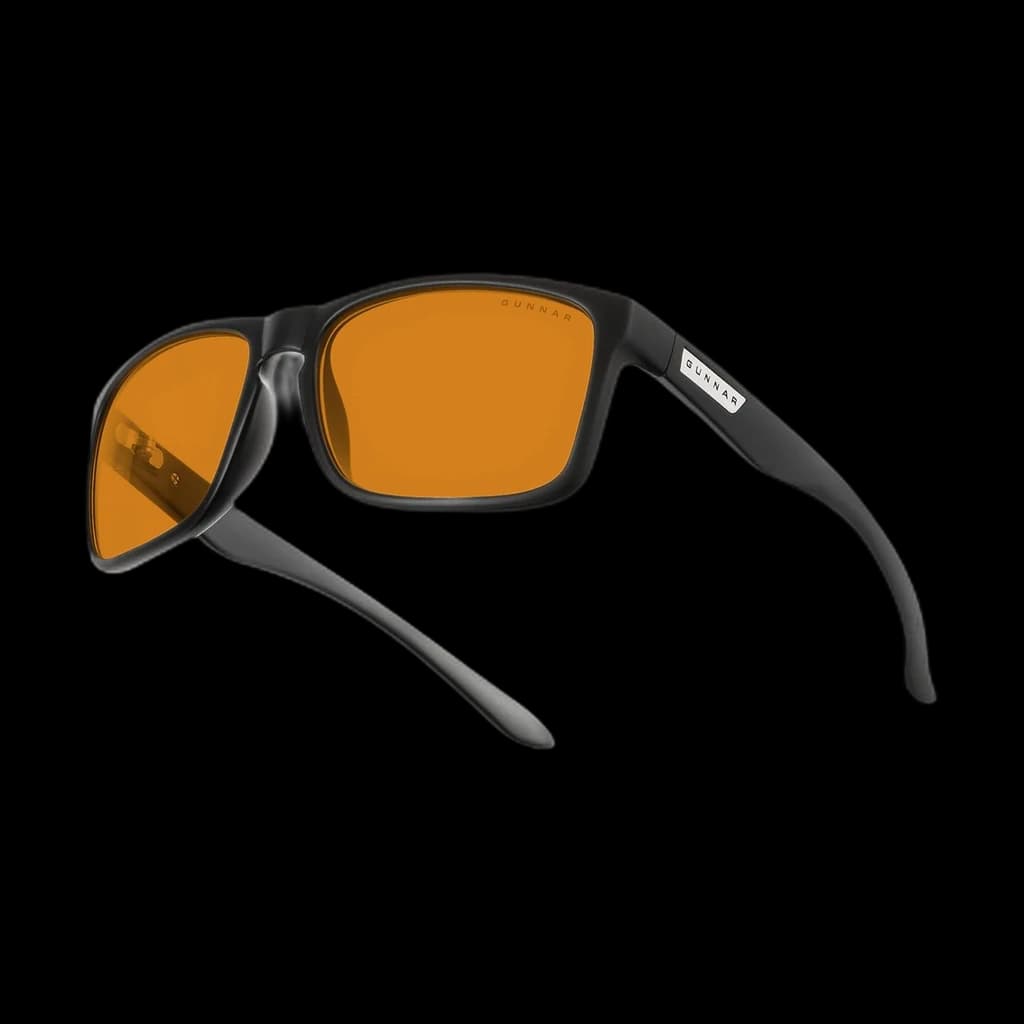 #2 Owner rating | 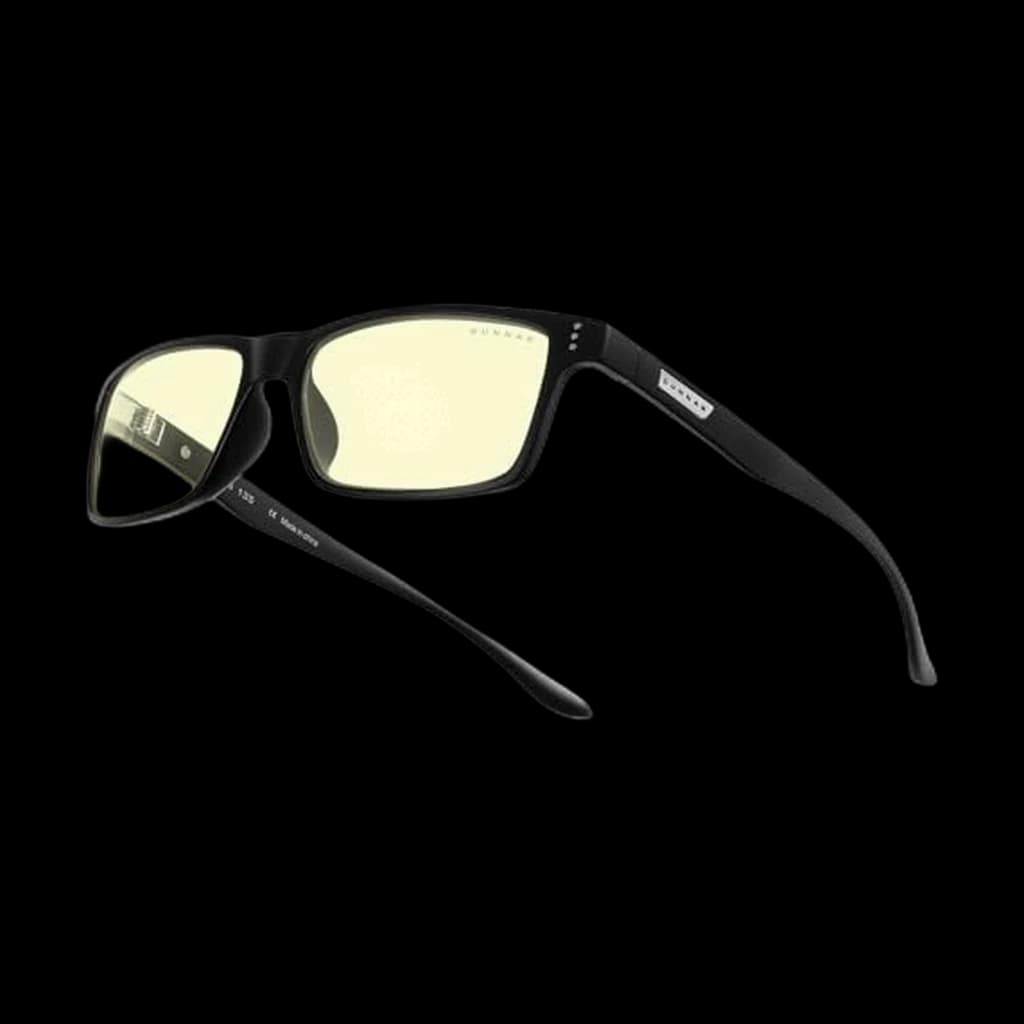 #3 Owner rating | 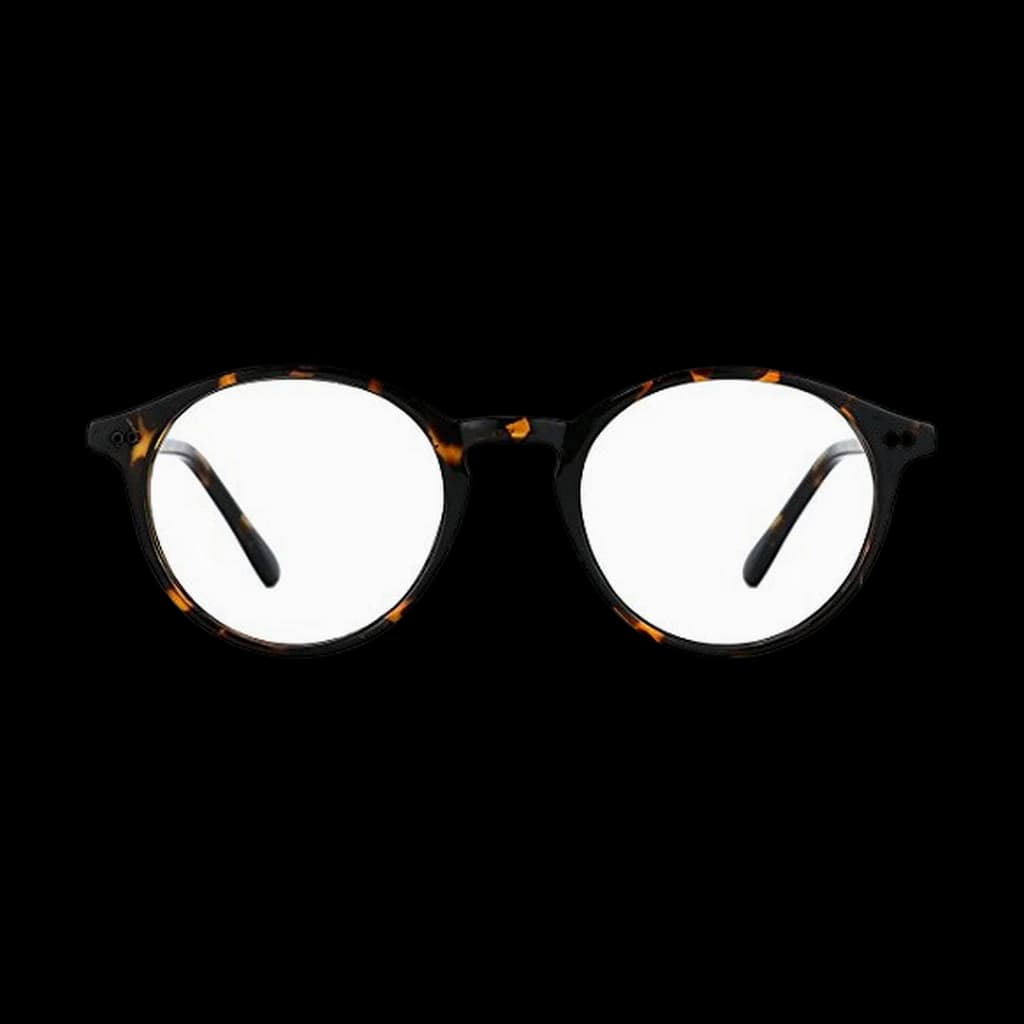 #4 Owner rating | 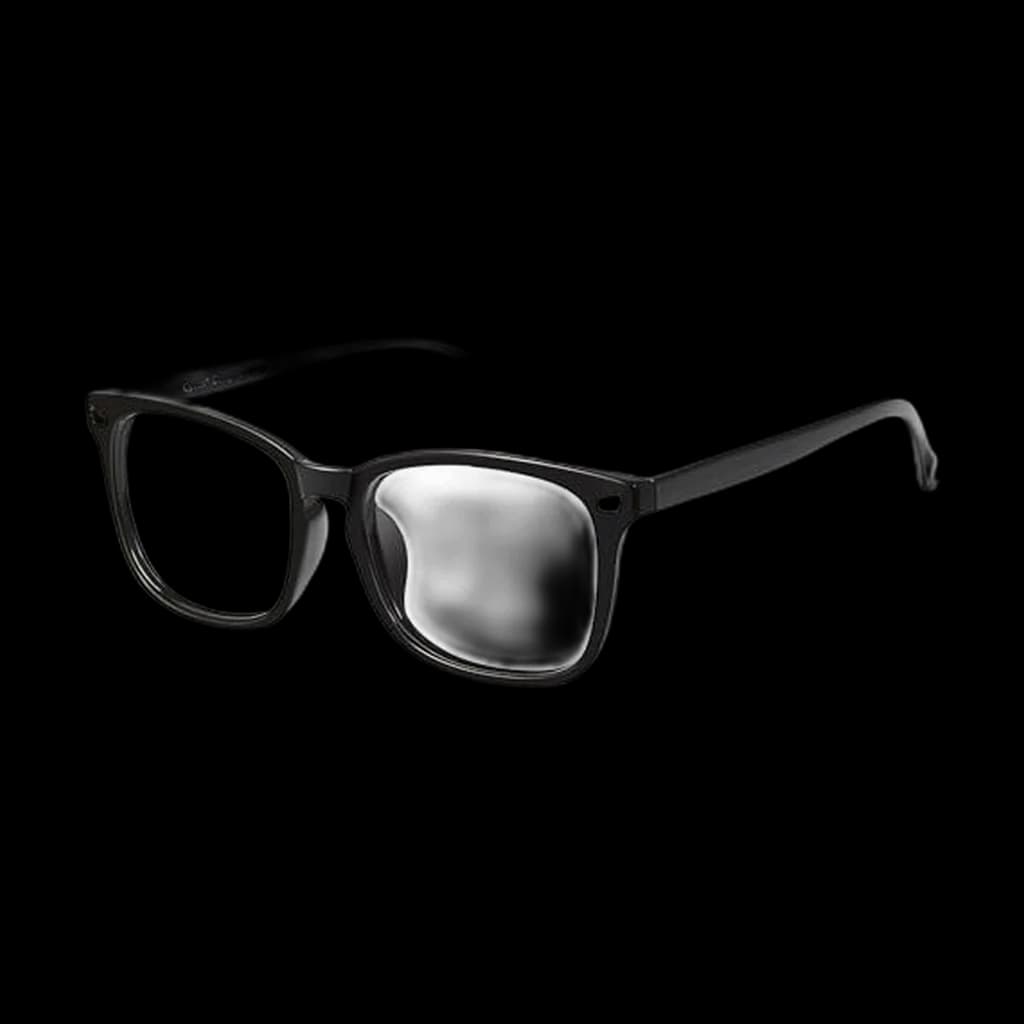 #5 Owner rating | |
|---|---|---|---|---|---|
| Price | $69.99Buy on Amazon | $66.13Buy on Amazon | $44.99Buy on Amazon | $11.99Buy on Amazon | $9.99Buy on Amazon |
| Verdict | Best-built frame under $100, with a wraparound shape and dual-sided anti-glare coating | The same Intercept frame with Gunnar's deepest tint for after-dark screen sessions | The lightest pair here at 22 g, with a smaller fit for narrower faces | Clear-lens budget pick that looks like regular glasses on calls | The cheapest dedicated computer pair, at about $10 |
| Buyer sentiment | Eye strain Quality Comfort Appearance Fit Durability Buyers praise eye strain, quality, comfort and appearance. Some flag fit and durability. Based on 1,565 user mentions | Rated 4.4★ across 1,282 reviews | Durability Mixed feedback on eye comfort and quality. Some flag durability. Based on 157 user mentions | Blue light blocking Appearance Comfort Quality Size Buyers praise blue light blocking, appearance, comfort and quality. Some flag size. Based on 3,481 user mentions | Functionality Comfort Appearance Quality Buyers praise functionality, comfort, appearance and quality. Mixed feedback on blue light blocking and fit. Based on 6,407 user mentions |
| Specs |
|
|
|
|
|
| Pros |
|
|
|
|
|
| Cons |
|
|
|
|
|
* Prices checked Oct 11, 2026 and may vary. Check the latest price on Amazon.
We research — never hands-on. How we research →
Key Takeaways
Five blue light glasses ranked, from Gunnar Intercept to a $10 Cyxus pair, led by what the AAO and a 17-trial Cochrane review say about the claims.
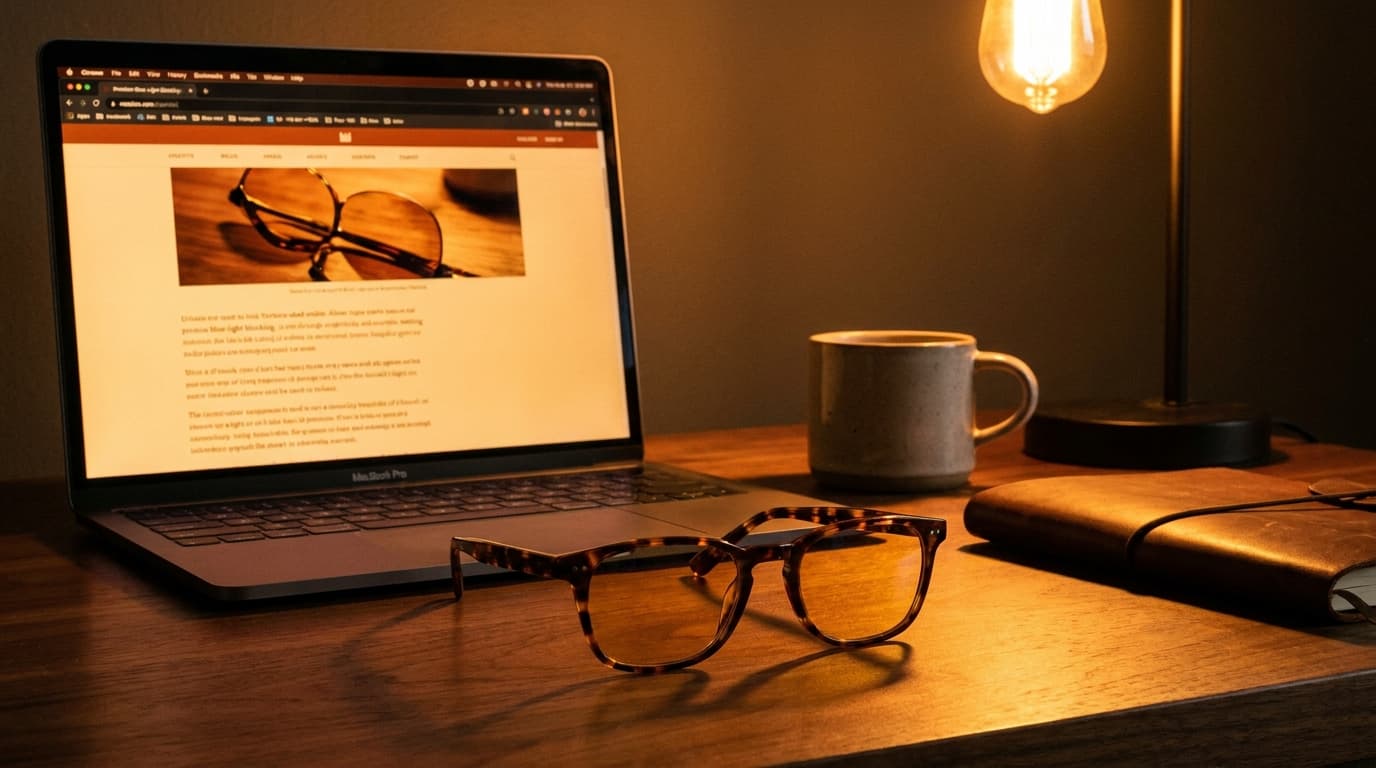
As an Amazon Associate I earn from qualifying purchases. Product prices and availability are subject to change.
Blue light glasses are the most over-marketed product in the WFH gear category, and any honest buying guide has to start there. The American Academy of Ophthalmology does not recommend blue-light-blocking eyewear for computer use, and says there is no scientific evidence that the blue light from screens damages your eyes. A 2023 Cochrane systematic review of 17 randomized trials (619 participants) reached a similar place: blue-light filtering lenses probably make little or no difference to short-term eye strain, and the effect on sleep is uncertain.
That does not make the category useless. It means you should stop expecting a medical fix and pick these glasses on the things that are real: a frame you can wear for an eight-hour day, an anti-reflective coating that cuts glare from windows and overhead lights, a tint you can work with, and a sensible price. A dedicated computer-only pair is a useful object to own; it just isn't a treatment.
We research rather than test: frame measurements and lens figures below come from Gunnar's published specifications and the Amazon listings, checked in October 2026.
What blue light glasses actually do (and don't)
The story marketed to buyers:
- Blue light from screens damages your eyes
- It causes eye strain and headaches
- It disrupts your sleep, and filtering it out of the lens fixes all three
What the evidence says:
- Eye damage from screens: the AAO says there is no scientific evidence that screen blue light damages the eye. Daylight delivers far more blue light than any monitor.
- Digital eye strain: Cochrane's 17-trial review found filtering lenses probably don't reduce short-term eye strain compared with standard clear lenses. The usual causes of screen fatigue are blinking less while you concentrate, glare from windows or overhead lighting, a screen that sits too close, and an uncorrected prescription.
- Sleep: the evidence on sleep is uncertain. The AAO's practical advice is to cut screen time in the two to three hours before bed and use your device's nighttime display setting, which costs nothing.
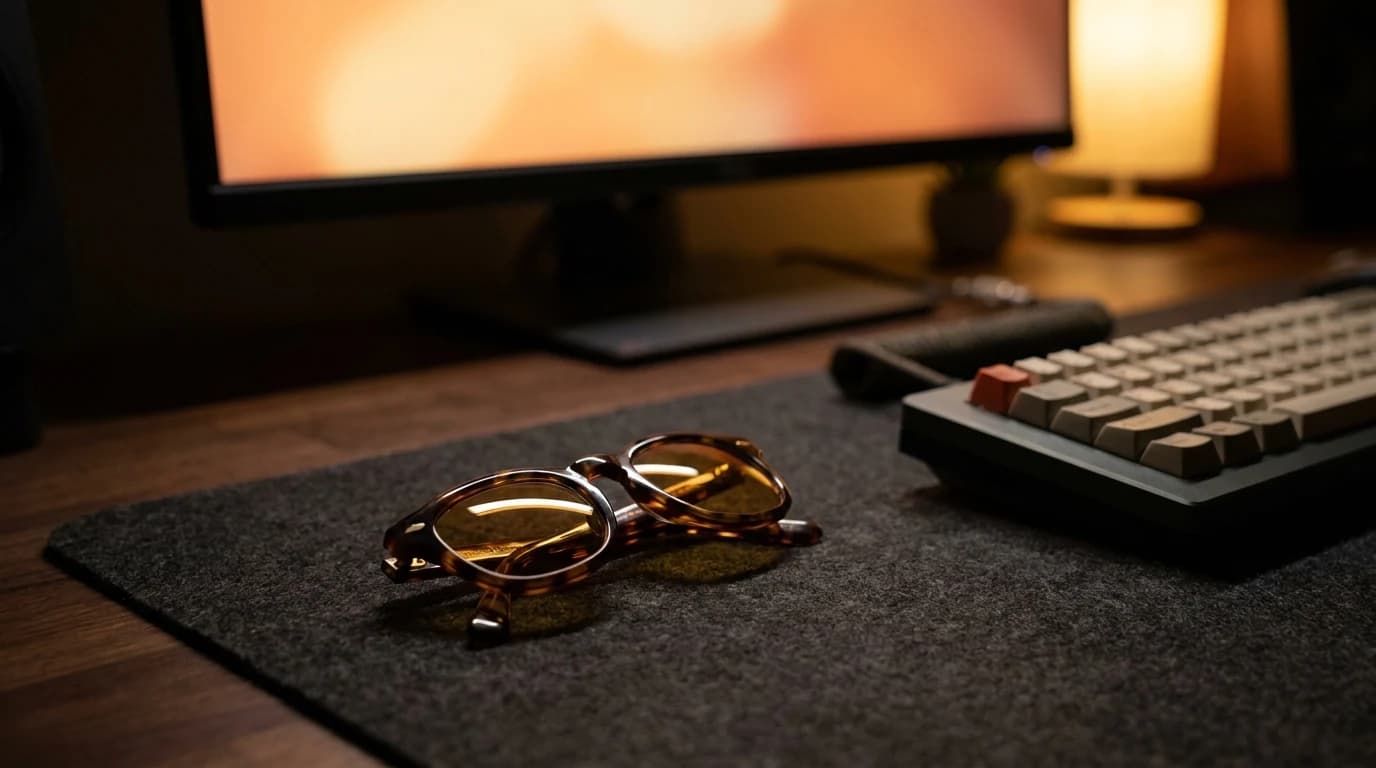
The honest framing: buy these for frame comfort across a long day and for the anti-glare coating. The lens-tint health claims are not clinically supported.
The interventions with real evidence behind them for the symptoms these glasses claim to fix (the 20-20-20 rule, matched lighting, screen distance and height, and an eye exam) are covered further down.
Decide in 30 seconds
| If you... | Get this |
|---|---|
| Want one well-built pair with a wraparound frame | Gunnar Intercept |
| Do most of your screen work after dark and want the deepest tint | Gunnar Intercept Amber Max |
| Want the lightest Gunnar frame | Gunnar Vertex (22 g) |
| Want a clear lens that won't shift colors on video calls | TIJN in the clear-lens option |
| Just want the cheapest dedicated pair | Cyxus |
| Already wear prescription glasses | Skip these and ask your optometrist for an anti-reflective coating on your regular pair |
Worth knowing: if you already wear prescription glasses, the best move in this whole category is to skip it and add an anti-reflective coating to the pair you already own.
The picks
1. Gunnar Intercept - the top pick if you want one well-built pair
The Gunnar Intercept comes from one of the longest-running computer-glasses brands on Amazon, and it is the frame to own if you accept that the lens claims aren't clinically supported but still want a well-made computer-only pair. Gunnar builds it with a nylon frame, multi-barrel hinges and a dual-sided anti-reflective coating, and lists it at 33 g.
The wraparound shape helps in rooms with windows to your side, because it cuts the light that bounces off the inside of the lens. Gunnar publishes the fit: a 58 mm lens width, 17 mm bridge and 135 mm temples, so you can compare it with a pair you already find comfortable before ordering. The Amazon listing carries 3,395 ratings.
- Best for: buyers who want one dependable computer-only pair and will keep it for years
- The catch: the linked listing is the amber lens, which Gunnar rates at 65% blue-light filtering at 450 nm. Amber shifts colors warmer by design, so it is wrong for photo, video or design work where color accuracy matters
2. Gunnar Intercept Amber Max - the evening and light-sensitivity option
Buy on Amazon · $66.13The Gunnar Intercept Amber Max is the same Intercept frame (58 mm lens, 17 mm bridge, 135 mm temples, 33 g) with Gunnar's deepest tint. Gunnar rates its standard amber lens at 65% blue-light filtering at 450 nm and the Amber Max at 98%, and markets the Amber Max for light sensitivity and evening use rather than general desk work.
Treat that marketing carefully: blocking more blue light is not evidence of a health benefit, and the Cochrane caveat at the top of this page applies here too. What you are buying for a few dollars more is a known-good frame with a much heavier tint, which is reasonable if your screen time is mostly after dark or bright light genuinely bothers you.
- Best for: evening screen sessions, and buyers who find standard amber too weak
- The catch: at 98% the lens is deep orange and colors are unusable for design, photo or video work. For one all-day pair, buy the standard Intercept above
3. Gunnar Vertex - the lighter, smaller frame
The Gunnar Vertex is Gunnar's lower-cost frame at about $45, and at 22 g it is the lightest pair in this guide. Like the Intercept it uses a nylon frame with multi-barrel hinges and Gunnar's anti-reflective coating, but the fit is smaller: Gunnar lists a 55 mm lens width, 16 mm bridge and 133 mm temples.
That makes it the better Gunnar for narrower faces, or for anyone who finds the Intercept's wraparound shape too much under a headset. The listing offers several lens tints, so pick the one you want on the product page before adding it to your cart.
- Best for: narrower faces, all-day wear under a headset
- The catch: no wraparound shape, so less glare control from windows to the side
4. TIJN Blue Light Blocking Glasses - the clear-lens budget pick
Buy on Amazon · $11.99The TIJN Blue Light Blocking Glasses are the budget pick when you want something that looks like normal glasses on a video call. The listing offers clear, orange and red lenses; the clear lens keeps colors natural, which makes it the one to choose for everyday office work. The round frame measures 48-22-145 mm (lens width, bridge, temple), noticeably smaller than either Gunnar, with flexible hinges.
With 26,778 Amazon ratings, it has one of the deepest owner records in the category at about $12.
- Best for: buyers who want a clear lens and a normal-looking frame on calls
- The catch: the round frame runs small; check the 48 mm lens width against your current glasses
5. Cyxus Blue Light Blocking Glasses - the cheapest dedicated pair
Buy on Amazon · $9.99The Cyxus Blue Light Blocking Glasses are the pick if you just want a cheap dedicated computer pair at about $10. Cyxus uses a lightweight polycarbonate square frame with polycarbonate lenses and an anti-reflective layer, and the listing has 26,518 ratings.
It is the right choice for a spare pair in a laptop bag, or for finding out whether you like wearing computer glasses at all before spending more.
- Best for: a spare or first pair at the lowest price
- The catch: a basic frame; buy the Gunnar Intercept if you want a pair to keep for years
Premium direct-to-consumer alternatives
Two brands worth knowing if you want a premium pair with prescription options and don't mind buying direct:
- Felix Gray is one of the most-discussed premium computer-glasses brands in r/glasses, with modern frame shapes and prescription options sold through its own site.
- Warby Parker offers a blue-light-filtering lens option on its regular frames. The frame quality and customer service are the reasons to buy; the lens claims are still the lens claims.
We don't rank these as picks because the range that matters, prescription lenses and the full frame selection, is sold direct rather than on Amazon. If you need a prescription pair, the direct route is meaningfully better than anything on this list.
What to do instead (or in addition)
If you bought blue-light glasses hoping to fix eye strain, headaches or sleep and they didn't help, the lenses aren't the problem. The interventions backed by actual evidence:
- 20-20-20 rule: every 20 minutes, look at something at least 20 feet away for at least 20 seconds. This is the AAO's headline advice for digital eye strain.
- Artificial tears: the AAO recommends them for eyes that feel dry after long screen sessions, because we blink less while we concentrate.
- Ambient lighting: keep the room roughly as bright as the screen. A bright screen in a dim room, or a window glaring behind your monitor, makes your eyes work harder.
- Night mode after sunset: Night Shift (macOS and iOS), Night Light (Windows) and similar settings warm the display for free, and the AAO suggests cutting screen time in the two to three hours before bed.
- Screen distance: the American Optometric Association puts the preferred viewing distance at 20 to 28 inches from your eyes.
- Screen height: the AOA recommends the top of the screen sit slightly below eye level, with the center of the screen about 15 to 20 degrees below. A laptop on the desk surface sits far lower than that, so add a laptop stand and an external keyboard.
- Get an eye exam: if symptoms persist for more than a few weeks, an uncorrected prescription or early presbyopia is a more likely cause than blue light, and an exam rules it in or out.
The bottom line
Buy blue light glasses for what they actually deliver: a comfortable frame for long screen days and a real anti-glare coating. The lens-tint health claims are not clinically supported; the AAO and Cochrane have both said so. For one well-made pair, get the Gunnar Intercept. For mostly after-dark screen time, the Intercept Amber Max carries Gunnar's deepest tint. For a clear lens at a fraction of the price, get the TIJN. And if your real problem is eye strain or sleep, the 20-20-20 rule and better lighting will do more than any lens.
Your next step
What actually fixes screen fatigue.
Hilly Shore Labs
Editorial TeamWFH Lounge is published by Hilly Shore Labs. Every recommendation is built by synthesizing ergonomic research, manufacturer specs, expert reviews from outlets like Wirecutter, RTINGS, and The Verge, and aggregated long-term owner sentiment from thousands of verified buyers.
All product reviews are independently researched. Our recommendations are based on ergonomic guidelines, manufacturer specifications, and verified buyer sentiment. See our methodology.