Best Blue Light Glasses 2026: 5 Picks + Science Breakdown
Our #1 Pick
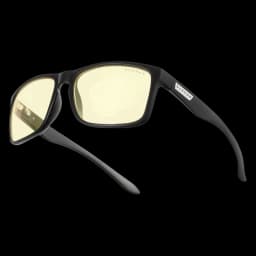
Gunnar Optiks Intercept
Price checked Nov 7, 2026 — verify the live price on Amazon.
Best-built computer-glasses frame under $100: a 33 g nylon wraparound with a dual-sided anti-glare coating. The frame quality justifies the price even if you discount the lens claims, which the AAO and Cochrane don't support.
- Wraparound nylon frame with multi-barrel hinges, built for all-day wear
- Dual-sided anti-reflective coating cuts glare from windows and overhead lights
- Wraparound shape blocks light bouncing in from the sides of the desk
 #1 Owner rating | 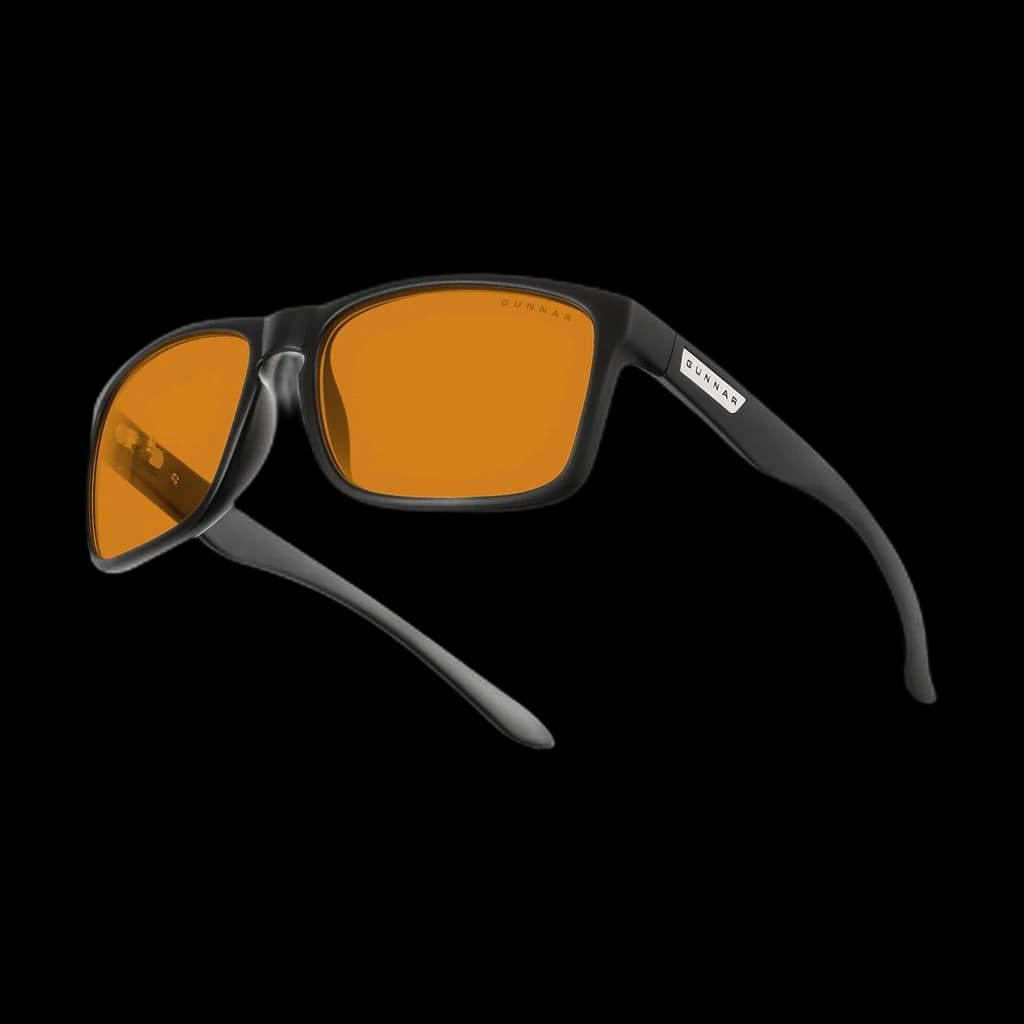 #2 Owner rating | 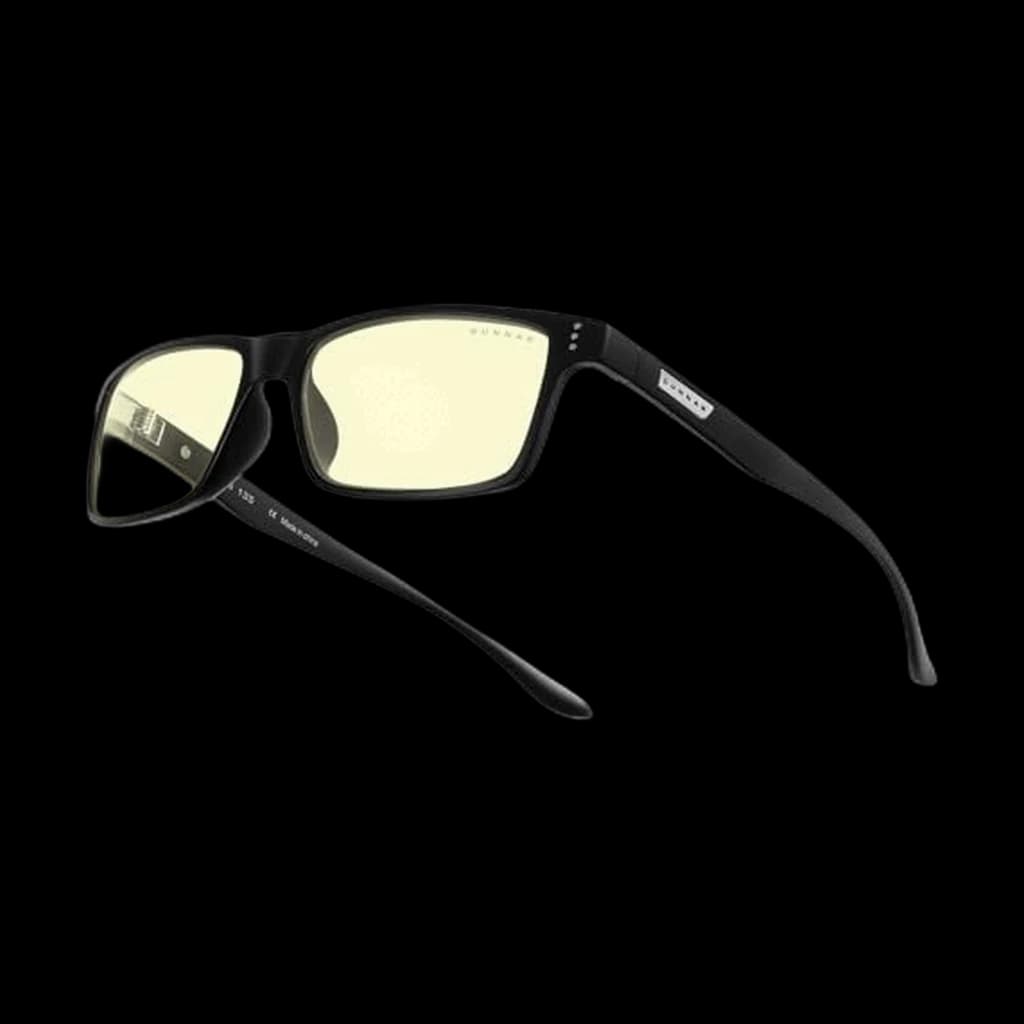 #3 Owner rating | 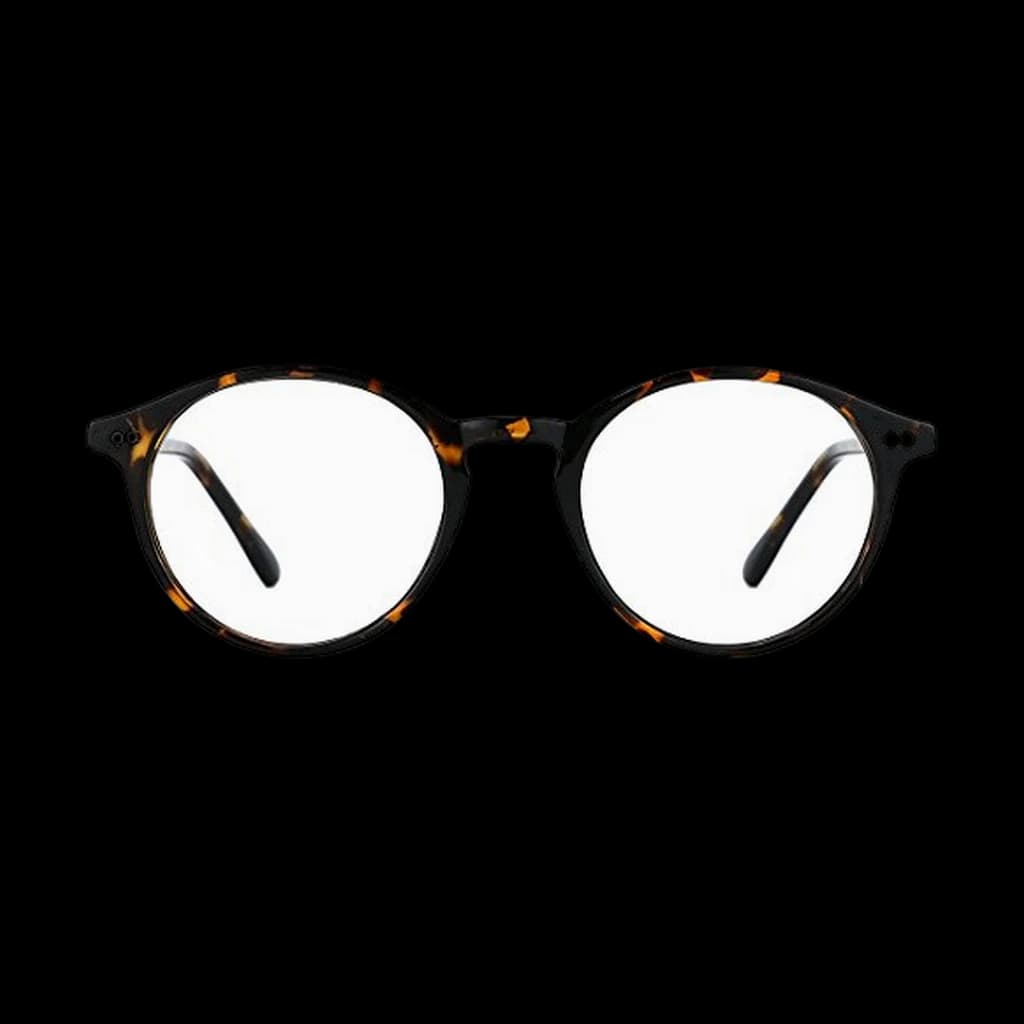 #4 Owner rating | 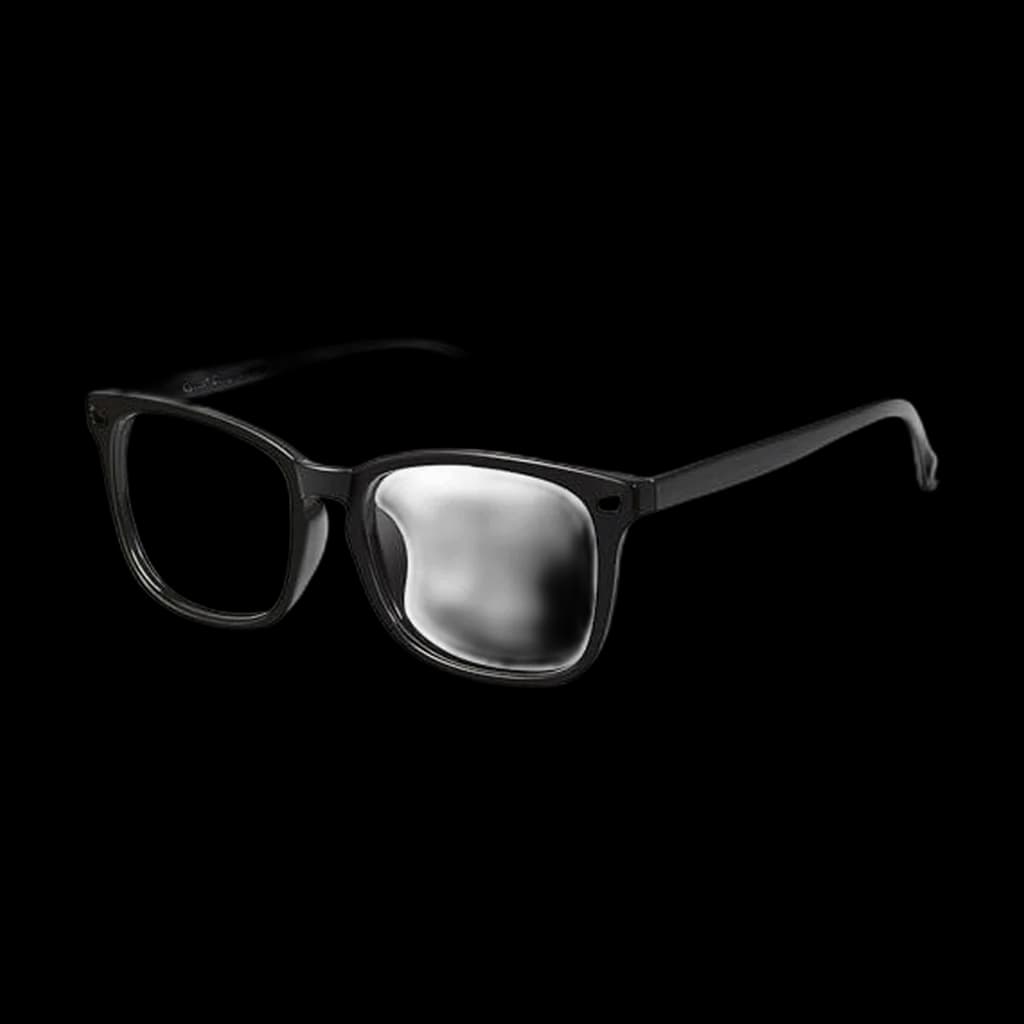 #5 Owner rating | |
|---|---|---|---|---|---|
| Price | $58.29Buy on Amazon | $41.23Buy on Amazon | $14.99Buy on Amazon | $9.99Buy on Amazon | |
| Verdict | Best-built frame in the under-$100 tier, with a wraparound shape and dual-sided anti-glare coating | The evening and light-sensitivity upgrade: the same Intercept frame with Gunnar's deepest tint | Lower-cost, lighter Gunnar: 22 g with a smaller fit for narrower faces | Budget pick for buyers who want a clear lens with no color shift | The cheapest dedicated computer pair, at about $10 - the honest play if you accept the lens science is unsettled |
| Buyer sentiment | Eye strain Quality Comfort Appearance Fit Durability Buyers praise eye strain, quality, comfort and appearance. Some flag fit and durability. Based on 1,565 user mentions | Rated 4.4★ across 1,282 reviews | Durability Mixed feedback on eye comfort and quality. Some flag durability. Based on 157 user mentions | Blue light blocking Appearance Comfort Quality Size Buyers praise blue light blocking, appearance, comfort and quality. Some flag size. Based on 3,481 user mentions | Functionality Comfort Appearance Quality Buyers praise functionality, comfort, appearance and quality. Mixed feedback on blue light blocking and fit. Based on 6,407 user mentions |
| Specs |
|
|
|
|
|
| Pros |
|
|
|
|
|
| Cons |
|
|
|
|
|
* Prices checked Oct 30, 2026 and may vary. Check the latest price on Amazon.
We research — never hands-on. How we research →
Key Takeaways
Five blue light glasses ranked, from premium Gunnar to a $10 Amazon pair, led by what the AAO and a 17-trial Cochrane review actually say about the claims.
As an Amazon Associate I earn from qualifying purchases. Product prices and availability are subject to change.
Blue light glasses are the most over-marketed product in the WFH gear category, and any honest buying guide has to start there. The American Academy of Ophthalmology does not recommend blue-light-blocking eyewear for computer use, and says there is no scientific evidence that the blue light from screens damages your eyes. A 2023 Cochrane systematic review of 17 randomized trials (619 participants) reached a similar place: blue-light filtering lenses probably make little or no difference to short-term eye strain compared with standard clear lenses, and the effect on sleep is uncertain.
That does not mean the category is useless. It means buyers should stop expecting a medical fix and start picking these glasses on the criteria that actually matter: frame comfort for an eight-hour day, the anti-reflective coating, a tint you can work with, and price. The lenses may not do what the marketing claims, but the frames are real, the anti-reflective coatings are real, and a dedicated computer-only pair is a useful object to own.
Frame measurements and lens ratings below come from Gunnar's published specifications and the Amazon listings, checked in October 2026.
What blue light glasses actually do (and don't)
The story marketed to buyers:
- Blue light from screens damages your eyes
- It causes eye strain and headaches
- It disrupts your sleep - and filtering the light out of the lens fixes all three
What the actual science says:
- Eye damage from screens: the AAO says there is no scientific evidence that the blue light from phones, laptops and monitors damages the eye. Daylight delivers far more blue light than any screen you will sit in front of.
- Digital eye strain: Cochrane's review of 17 randomized trials found filtering lenses probably make little or no difference to short-term eye strain versus clear lenses. The actual causes of digital eye strain are blinking less while you concentrate on a screen, glare from windows or overhead lighting, a screen that sits too close, and an uncorrected prescription.
- Sleep: Cochrane rates the evidence on sleep as uncertain. The intervention the AAO actually recommends is cheaper than any lens: cut screen time in the two to three hours before bed and switch on your device's nighttime display setting.
The honest framing: buy these for frame comfort over a long screen day and for the anti-glare coating. The lens-tint health claims are not clinically supported.
The interventions with actual evidence behind them for the symptoms these glasses claim to fix - the 20-20-20 rule, matched ambient lighting, screen distance and height, and a real eye exam - are covered in detail further down.
Decide in 30 seconds
| If you... | Get this |
|---|---|
| Want one well-built pair and don't mind paying for it | Gunnar Optiks Intercept |
| Do most of your screen work after dark and want the deepest tint | Gunnar Intercept Amber Max |
| Want the lightest frame, or a smaller fit for a narrower face | Gunnar Optiks Vertex (22 g) |
| Need a clear lens for color-sensitive work and video calls | TIJN in the clear-lens option |
| Just want a cheap dedicated pair and accept the science is unsettled | Cyxus (about $10) |
| Need prescription lenses with a modern frame | Felix Gray or Warby Parker, bought direct |
| Are over 40 and finding the screen harder to focus on | An eye exam first - early presbyopia is a far more likely cause than blue light |
| Already wear prescription glasses | Skip these entirely - ask your optometrist for an anti-reflective coating on your regular pair |
Worth knowing: if you already wear prescription glasses, the best move in this whole category is to skip it - ask your optometrist for an anti-reflective coating on the pair you already own.
The picks
1. Gunnar Optiks Intercept - the top pick if you want one well-built pair
Buy on Amazon · $58.29The Gunnar Optiks Intercept comes from Gunnar, a brand that makes computer glasses rather than fashion frames with a blue-light option. The Intercept is the frame to own if you accept that the lens claims aren't clinically supported but want the best-built computer-only pair under $100.
Gunnar builds it with a nylon frame, multi-barrel hinges and a dual-sided anti-reflective coating, and lists it at 33 g. The wraparound shape cuts the light that bounces in from screens and windows off to your sides - useful in offices with a window beside the desk. Gunnar publishes the fit (58 mm lens width, 17 mm bridge, 135 mm temples), so you can hold it against a pair you already find comfortable before ordering. The Amazon listing carries 3,395 ratings.
- Best for: buyers who want one well-made computer-only pair and will keep it for years
- The catch: the linked listing is the amber lens, which Gunnar rates at 65% blue-light filtering at 450 nm. Amber shifts colors warmer by design. That works for marathon screen sessions and is wrong for any photo, video or design work where color accuracy matters - get a clear lens like the TIJN below instead
2. Gunnar Intercept Amber Max - the evening and light-sensitivity upgrade
Buy on Amazon · $69The Gunnar Intercept Amber Max is the same Intercept frame as the top pick (58 mm lens, 17 mm bridge, 135 mm temples, 33 g) with Gunnar's deepest tint fitted. On Gunnar's own ratings the standard amber blocks 65% of blue light at 450 nm and the Amber Max blocks 98% - and Gunnar markets it for light sensitivity and evening use rather than general desk work.
Treat that framing carefully. The AAO and Cochrane caveat at the top of this page applies here too: blocking more blue light is not evidence of a health benefit. What you are actually buying, at about the same price as the standard Intercept right now, is a known-good frame with a much heavier tint - a reasonable purchase if your screen time is mostly after dark or bright light genuinely bothers you.
- Best for: evening screen sessions, and buyers who find standard amber too weak
- The catch: at 98% the tint is deep orange and color is unusable for design, photo or video work. If you need one pair for all day, buy the standard Intercept above
3. Gunnar Optiks Vertex - the lighter, smaller Gunnar
Buy on Amazon · $41.23The Gunnar Optiks Vertex is Gunnar's lower-cost frame at about $45, and at 22 g it is the lightest pair in this guide. It uses the same nylon frame construction, multi-barrel hinges and anti-reflective coating as the Intercept; you give up the wraparound shape. The fit is smaller too: Gunnar lists a 55 mm lens width, 16 mm bridge and 133 mm temples.
That makes it the better Gunnar for narrower faces, or for anyone who finds the Intercept's wraparound too much under a headset. The listing groups several Gunnar tints - its title spans 35% to 98% blue-light filtering - so choose your lens on the product page, and go for the lightest tint if you do any color-sensitive work.
- Best for: narrower faces and all-day wear under a headset
- The catch: no wraparound shape, so less glare control from windows off to the side
4. TIJN Blue Light Blocking Glasses - the clear-lens budget pick
Buy on Amazon · $14.99The TIJN Blue Light Blocking Glasses are the budget pick when you specifically want a clear lens with no color shift. The listing offers clear, orange and red lenses; the clear lens keeps colors natural, which makes it the one to choose for everyday office work and video calls. The vintage round frame reads as regular eyewear rather than gaming kit, and the hinges are flexible.
With 26,778 Amazon ratings at about $12, it has one of the deepest owner records in the category.
- Best for: buyers who want something that looks like normal glasses on a video call
- The catch: the round frame runs small at 48-22-145 mm (lens width, bridge, temple), noticeably narrower than either Gunnar - compare it with a pair you already wear if you have a wider face
5. Cyxus Blue Light Blocking Glasses - the cheapest dedicated pair
Buy on Amazon · $9.99The Cyxus Blue Light Blocking Glasses are the pick if you just want a cheap dedicated computer pair at about $10. Cyxus uses a lightweight polycarbonate square frame with polycarbonate lenses, an anti-reflective layer and UV blocking, and the listing has 26,518 ratings.
If you have already accepted that the lens science is unsettled, this is the honest play: a comfortable frame, a basic but real anti-glare coating, and a fraction of the Intercept's price. It is also the right choice for a spare pair in a laptop bag, or for finding out whether you like wearing computer glasses at all before spending more.
- Best for: a spare or first pair at the lowest price
- The catch: a basic frame, not a keep-for-years pair - buy the Gunnar Intercept if that is what you want
Premium DTC alternatives (mostly direct-only)
Two brands worth knowing if you want a premium pair with prescription options and don't mind buying direct:
- Felix Gray: one of the most-discussed premium computer-glasses brands on r/glasses, with modern frame shapes, prescription options and its own lens designs, sold through its own site.
- Warby Parker offers a blue-light-filtering lens option on its regular frames. The frame quality and customer service are class-leading. The lens claims are still the lens claims - buy for the build, not the science.
We don't rank these as picks because the range that matters - prescription lenses and the full frame selection - is sold direct rather than on Amazon. If you want a prescription pair, the DTC route is meaningfully better than anything on this list.
What to do instead (or in addition)
If you bought blue-light glasses hoping to fix eye strain, headaches or sleep issues and they didn't work, the lenses aren't the problem. The interventions backed by actual evidence:
- 20-20-20 rule: every 20 minutes, look at something at least 20 feet away for at least 20 seconds. This is the headline advice for digital eye strain from both the AAO and the AOA.
- Artificial tears: the AAO recommends them for eyes that feel dry after long screen sessions.
- Ambient lighting: match room lighting roughly to screen brightness. A bright screen in a dim room, or a window glaring behind your monitor, makes your eyes work harder - our home office lighting guide covers the setup.
- Screen night mode after sunset: Night Shift (macOS and iOS), Night Light (Windows) and similar settings warm your display for free. This is the nighttime display setting the AAO points to, and it costs nothing to try before buying any lens.
- Screen distance: the American Optometric Association puts the preferred viewing distance at 20 to 28 inches from your eyes.
- Screen height: the AOA recommends the top of the screen sit slightly below eye level, with the center of the screen about 15 to 20 degrees below. A laptop on the desk surface sits far lower than that - get a laptop stand and an external keyboard.
- Get an eye exam: if symptoms persist more than a few weeks, an uncorrected prescription or early presbyopia (the focus loss that arrives in your 40s) is a more likely cause than blue light, and an exam rules it in or out.
What r/Optometry, r/HomeOffice and r/glasses say
- r/Optometry: optometrists in the sub routinely recommend an anti-reflective coating on regular prescription lenses rather than a separate blue-light pair. The coating solves the actual screen-glare problem; the blue-light claims are the part they push back on.
- r/HomeOffice: the recurring takeaway across long threads is that people who switched to a blue-light pair and felt better usually changed something else at the same time - took more breaks, fixed their lighting, moved their monitor. The lenses get the credit for the lighting and posture fix.
- r/glasses: for premium prescription pairs the consensus points to Felix Gray and Warby Parker. For a non-prescription computer pair, the cheap Amazon brands get recommended again and again as just as good as the expensive ones, since the lens science is unsettled either way.
Frequently asked questions
Do blue light glasses work?
Not for the reasons they are usually sold. A 2023 Cochrane review of 17 randomized trials found that blue-light filtering lenses probably make little or no difference to short-term eye strain compared with clear lenses, and the American Academy of Ophthalmology does not recommend them for computer use. What you are really buying is a comfortable frame and, on some pairs, an anti-glare coating.
Does blue light from screens damage your eyes?
The AAO says there is no scientific evidence that the blue light from phones, laptops and monitors damages the eye. Daylight delivers far more blue light than any screen you sit in front of.
Do blue light glasses help you sleep?
Cochrane rates the evidence on sleep as uncertain. The AAO's own advice costs nothing: cut screen time in the two to three hours before bed and switch on your device's nighttime display setting.
The bottom line
Buy blue light glasses for what they actually deliver: comfortable, lightweight frames built for long screen days, with real anti-glare coatings. The lens-tint health claims are not clinically supported - the AAO and Cochrane have both said so. If you want the premium pick, get the Gunnar Optiks Intercept for the build quality. If your screen time is mostly after dark, the Gunnar Intercept Amber Max puts Gunnar's deepest tint in the same frame. If you accept the lens science is unsettled and just want a dedicated computer pair, get the TIJN in the clear lens at a fraction of the price. And if your real problem is eye strain or sleep, the 20-20-20 rule and a proper ambient lighting setup will do more than any lens.
Your next step
What actually fixes screen fatigue.
Hilly Shore Labs
Editorial TeamWFH Lounge is published by Hilly Shore Labs. Every recommendation is built by synthesizing ergonomic research, manufacturer specs, expert reviews from outlets like Wirecutter, RTINGS, and The Verge, and aggregated long-term owner sentiment from thousands of verified buyers.
All product reviews are independently researched. Our recommendations are based on ergonomic guidelines, manufacturer specifications, and verified buyer sentiment. See our methodology.