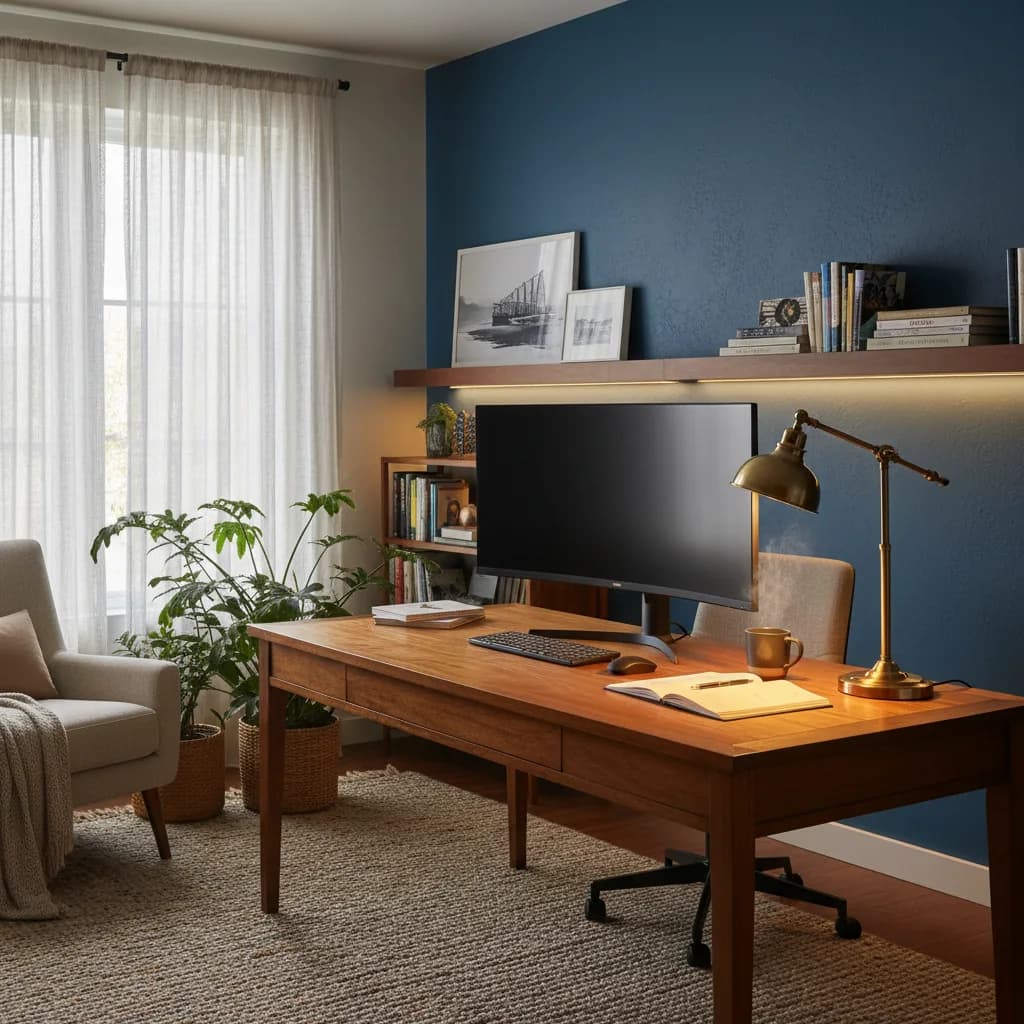
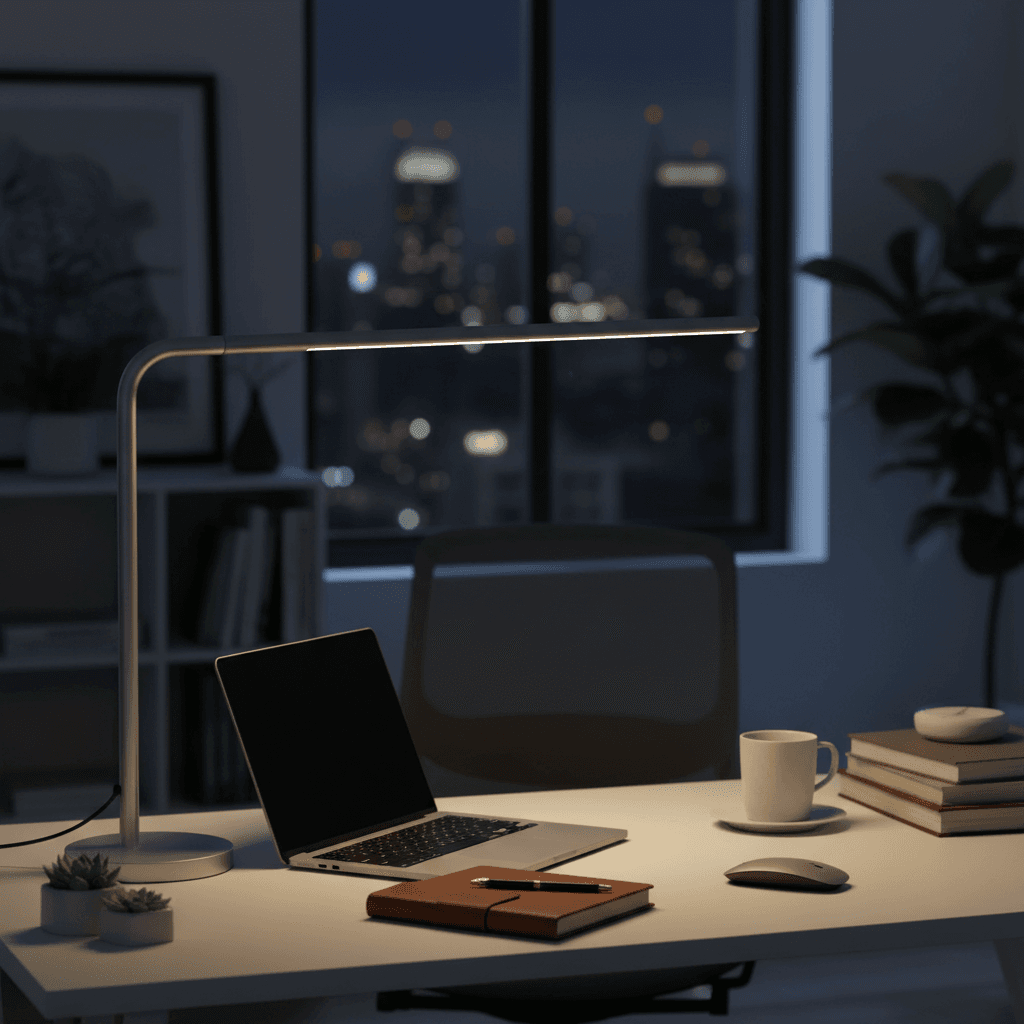
Best Blue Light Glasses for Computer Work 2026: Research & Picks
Blue light glasses genuinely help with sleep quality when used in the evening. For all-day computer work, GUNNAR Intercept offers the best filtering, while Felix Gray's filtered lenses provide premium clear-lens quality.
Quick Answer
Blue light glasses don't have strong clinical backing for reducing eye strain (Cochrane 2021). What actually works: 20-20-20 breaks, lowering screen brightness, and using Night Shift or f.lux after sunset. That said, they're low-risk — if they feel comfortable or help psychologically, there's no harm in wearing them.
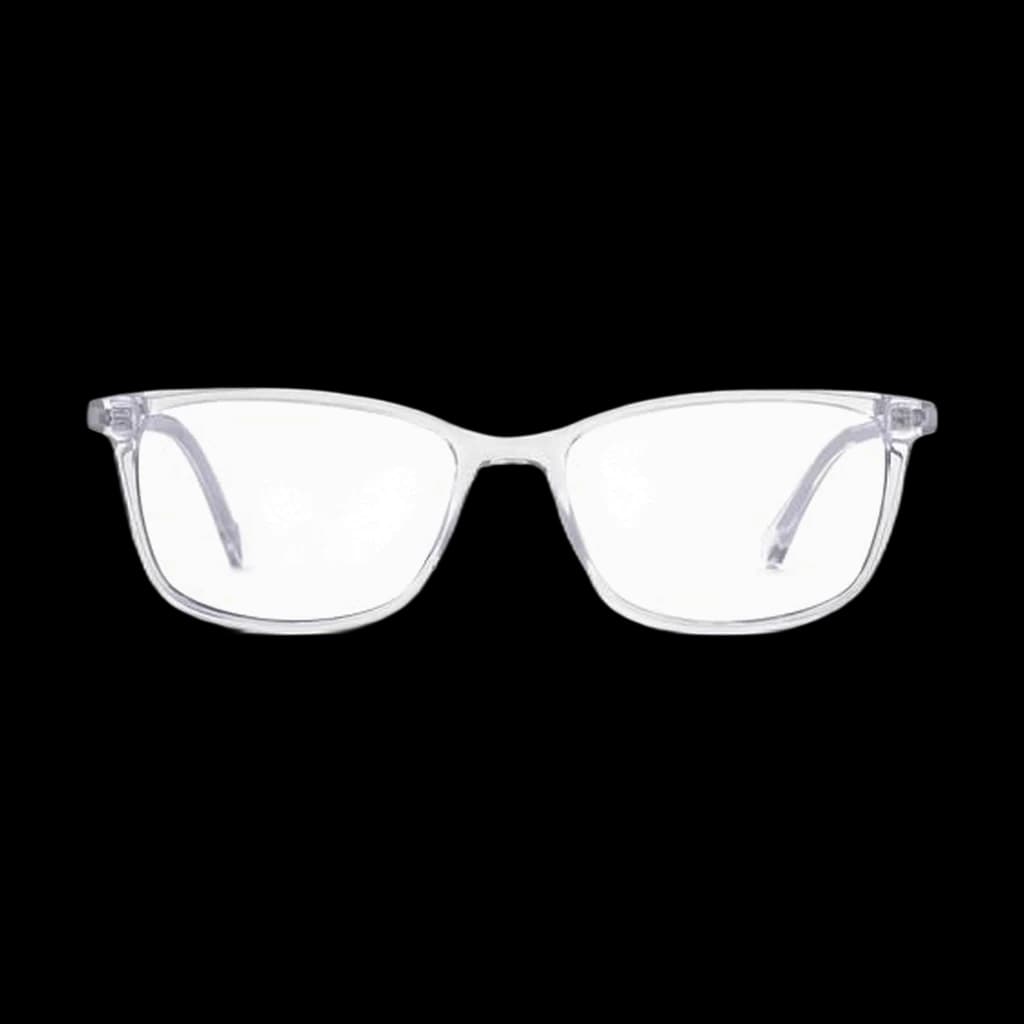 #1 4.2 | 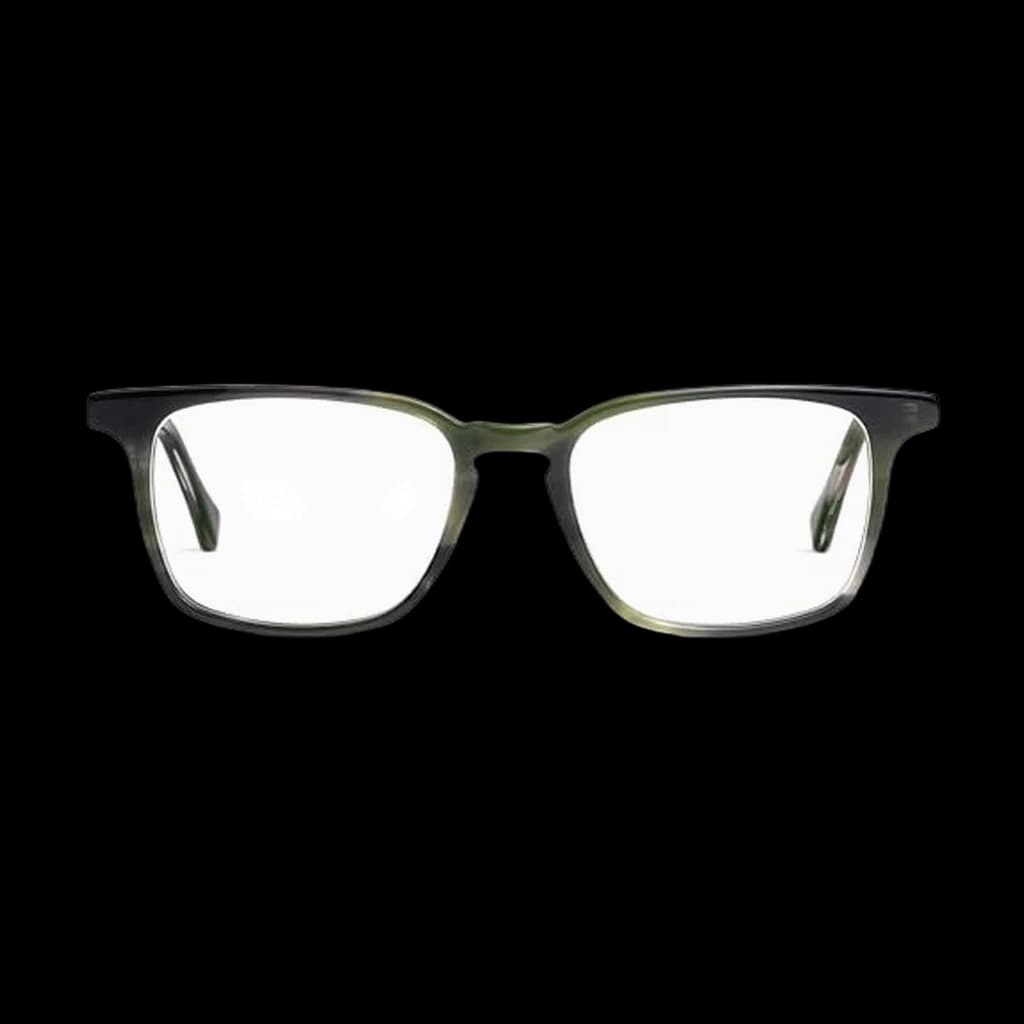 #2 4.3 | 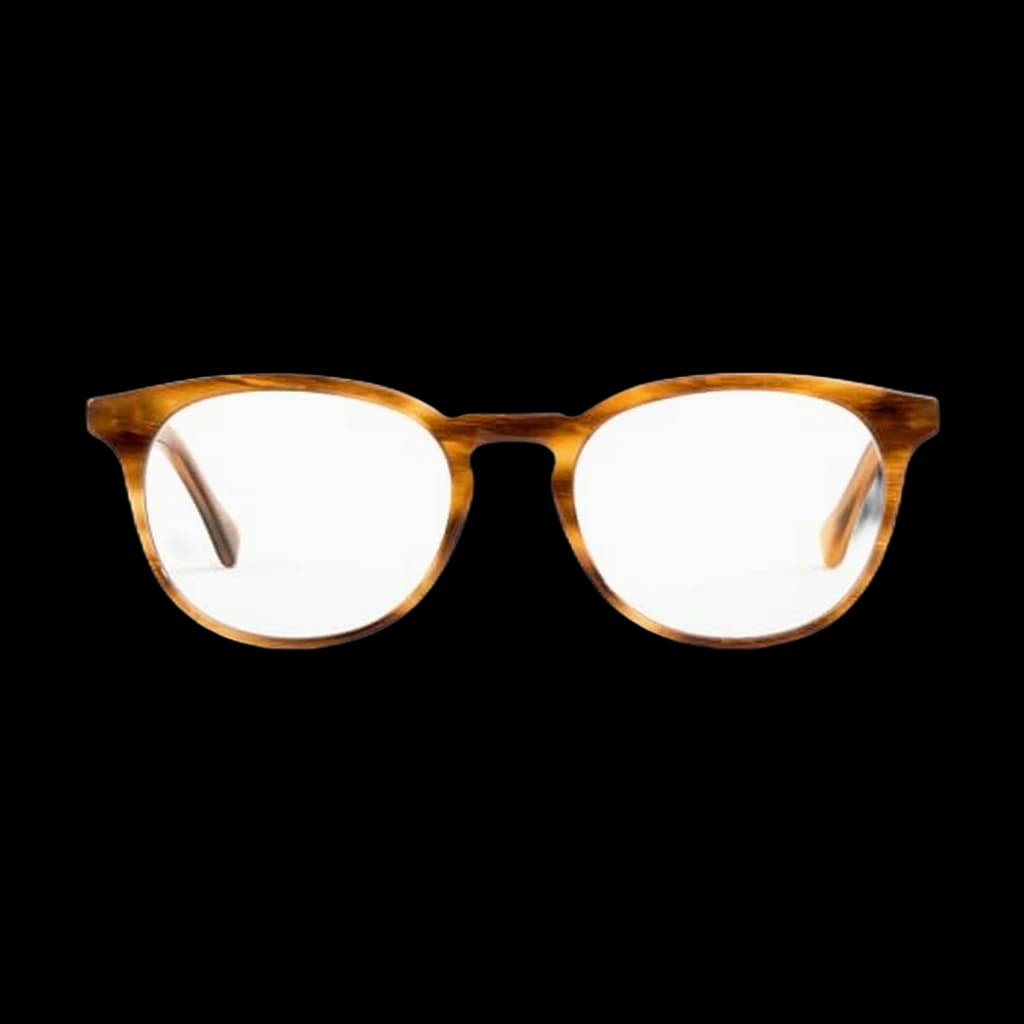 #3 4.3 | |
|---|---|---|---|
| Price | $129Buy on Amazon | $129Buy Direct | $129Buy Direct |
| Verdict | Best premium blue light glasses | Best everyday style | Best for wider faces |
| Buyer sentiment | Glare Reduction Quality Buyers praise glare reduction and quality. Based on 19 user mentions | Eye Relief Fit Buyers praise eye relief. Some flag fit. Based on 15 user mentions | Memory Design Build Quality Buyers praise memory, design, build quality. Based on 100 user mentions |
| Lens | Clear with blue light filter | Clear blue light filtering | Clear blue light filtering |
| Frame | Acetate | Acetate, 49-17-140mm | Acetate, wide fit |
| Blue Light | Filters peak blue light | — | — |
| Coating | Anti-glare + anti-scratch | — | Anti-glare |
| Style | — | Round | Rectangular |
| UV | — | UV400 protection | — |
| Pros |
|
|
|
| Cons |
|
|
|
* Prices checked Aug 28, 2026 and may vary. Check the latest price on Amazon.
We research — never hands-on. How we research →
Key Takeaways
Six blue light glasses ranked for WFH in 2026. Felix Gray Faraday is the top pick. Plus the research on whether filters actually cut eye strain.

As an Amazon Associate I earn from qualifying purchases. Product prices and availability are subject to change.
If you work from home and spend 8+ hours staring at screens, you've probably heard about blue light glasses. The marketing claims range from reducing eye strain to improving sleep to preventing retinal damage. But what does the research actually say, and which blue light glasses are worth buying?
The short answer: blue light glasses can help with specific problems — particularly evening screen use and sleep quality — but they're not a cure-all for digital eye strain. Understanding what they can and can't do helps you make an informed decision.
Decide in 30 seconds
| Your situation | The pick |
|---|---|
| Evening computer use, want better sleep | Felix Gray Faraday (subtle filter) |
| Need a clear-lens look for all-day office | Felix Gray Nash |
| Heavy gaming or amber-tint OK | GUNNAR Vertex (~98% blue block) |
| Tight budget, just want filter glasses | TIJN or Cyxus ($15–25) |
| Already wear Rx — want prescription blue light | Felix Gray Rx upgrade |
What the Research Says About Blue Light
Where the evidence is stronger:
- Evening screen use and sleep quality
- Subjective relief from headaches and eye fatigue, widely reported by wearers
Where the evidence is weaker or absent:
- Reducing digital eye strain — a 2021 Cochrane review found insufficient evidence
- Preventing retinal damage at normal usage levels

1. Blue Light and Sleep
This is where the science is clearest. Blue light (wavelengths between 400-490nm) suppresses melatonin production, the hormone that signals your body it's time to sleep. A 2019 study published in Chronobiology International found that wearing blue light filtering glasses for 2 hours before bedtime increased melatonin levels by 58% and improved sleep quality significantly.
If you use screens in the evening — and most remote workers do — blue light glasses worn after sunset can genuinely improve your sleep. This is the most research-backed benefit.
Where the evidence is clearest: sleep. Evening-worn filtering glasses are the one use case in this category with real research behind them.
2. Blue Light and Eye Strain
Here the evidence is more mixed. The American Academy of Ophthalmology has stated that digital eye strain is primarily caused by how we use screens (reduced blinking, fixed focal distance, poor posture) rather than by blue light itself. A 2021 Cochrane review of multiple studies found insufficient evidence that blue light filtering lenses reduce eye strain symptoms.
However, many wearers report subjective relief from headaches and eye fatigue. This may be partly placebo, partly from the slight reduction in screen brightness that tinted lenses provide, or partly from individual variation in blue light sensitivity.
3. Blue Light and Eye Health
The concern about blue light damaging the retina comes from laboratory studies exposing cells to intense blue light. But the blue light emitted by screens is orders of magnitude less intense than sunlight. The consensus among ophthalmologists is that screen blue light does not pose a retinal damage risk at normal usage levels.
Worth knowing: the AAO attributes digital eye strain primarily to how we use screens — reduced blinking, fixed focal distance, poor posture — rather than to blue light itself.
Who Benefits Most from Blue Light Glasses
Based on the research, blue light glasses are most beneficial for:
- Evening screen users — anyone who works or browses screens within 2-3 hours of bedtime
- People with existing sleep difficulties — blue light filtering can be one piece of a sleep hygiene strategy
- Workers who report headaches from prolonged screen use — while the mechanism is debated, many users report relief
- Anyone who finds them comfortable — there's no downside to wearing them, and subjective comfort matters
Top Blue Light Glasses for Computer Work
| Pick | Blue light filtered | Lens appearance | Price |
|---|---|---|---|
| GUNNAR Intercept | 65% | Amber tint | Around $50 |
| Warby Parker Duval | Around 30-40% | Clear coating, no color shift | Around $95 |
| TIJN Vintage Round | Approximately 30-40% | Minimal color distortion | Around $16 |
| Cyxus | About 50% | Mostly clear | Around $25 |
| Felix Gray | Approximately 50% (380-440nm) | Virtually clear, no visible tint | Around $60 |
GUNNAR Intercept — Best for All-Day Computer Use
Price: Around $50 on GUNNAR Premium Computer and Gaming Glasses For Men & Women
GUNNAR has been making computer glasses since 2007 — long before blue light became a buzzword. Their Intercept frames are specifically designed for extended screen use, with a slight magnification (+0.2 diopters) that reduces the focusing effort your eyes make when viewing a screen at desk distance.
The amber-tinted lenses filter 65% of blue light and also reduce glare. The tint is noticeable but not extreme. The frames are wide and wrap slightly, which reduces peripheral light intrusion and air movement that can dry out contact lenses. Build quality is excellent — these feel like premium glasses, not a gimmick.
- Best for: long sessions at a desk, especially in a room with windows off to the side
- The catch: if you do color-critical work (design, photo editing), look at their clear lens option which filters less blue light but doesn't shift colors
Warby Parker Duval with Blue Light Lenses — Best Looking
Price: Around $95 (from Warby Parker directly)
If you want blue light glasses that look like regular glasses — not gaming accessories — Warby Parker's frames with their blue-light-filtering lens option are the way to go. The Duval frame is a modern, professional rectangle style that works in meetings and on video calls without screaming "I'm wearing computer glasses."
The quality is excellent — polished acetate frames, anti-reflective coating, and scratch-resistant lenses. Available in prescription and non-prescription.
- Best for: client-facing video calls where you don't want the glasses to be the story
- The catch: the clear coating filters less blue light than tinted options (around 30-40%) — the trade-off is accurate color and a normal-glasses look
TIJN Vintage Round Blue Light Glasses — Best Budget Option
Price: Around $16 on TIJN Blue Light Blocking Glasses for Women Men
At $16, the TIJN frames are the entry point to blue light glasses. They filter approximately 30-40% of blue light with minimal color distortion and are available in dozens of frame styles from vintage round to modern rectangle. They come with a microfiber pouch and cleaning cloth.
For anyone who wants to try blue light glasses before committing to a premium pair, TIJN is the risk-free starting point.
- Best for: trying the category out, or buying two pairs — one for your desk, one for the bedroom
- The catch: the build quality is plastic. You won't mistake these for premium frames, though they're lightweight and comfortable for all-day wear
Cyxus Blue Light Filter Glasses — Best Value Mid-Range
Price: Around $25 on livho High Tech Blue Light Glasses
Cyxus occupies the sweet spot between budget and premium. Their frames are more substantial than the TIJN options, with metal hinges and a slightly better fit. The lenses use a multi-layer coating that filters about 50% of blue light while maintaining a mostly clear appearance.
Available in both prescription-compatible (can be fitted by an optician) and non-prescription versions. The anti-reflective coating reduces screen glare, which may help more with eye strain than the blue light filtering itself.
Felix Gray Filtered Blue Light Glasses — Best Premium Clear Lens
Price: $95-$165 direct from Felix Gray (the Amazon listing for this frame is currently unavailable)
Felix Gray's proprietary lens technology filters blue light within the lens material itself rather than using a surface coating. The result is a virtually clear lens that filters approximately 50% of blue light in the highest-energy range (380-440nm) without any visible tint.
The Turing frame is a classic square shape that looks professional in any setting. Each pair includes anti-reflective and anti-glare coatings, and the lenses are available in prescription. Felix Gray's approach is science-focused — they publish their lens filtering data transparently, which is refreshing in a market full of vague claims.
Software Alternatives to Blue Light Glasses
Before buying glasses, consider free software options that achieve similar blue light reduction:
- Night Shift (macOS/iOS) — automatically warms your screen's color temperatureKelvinColor temperature, measured in Kelvin. ~2700K is warm/yellow (incandescent), ~4000K is neutral white, ~5000–6500K is cool/daylight. Match desk-lamp temp to your monitor's white point so your eyes don't constantly re-adapt. after sunset
- Night Light (Windows) — Microsoft's built-in blue light filter
- f.lux (all platforms) — the original screen warming app, with more customization than built-in options
These software solutions are effective for reducing blue light exposure, but they only affect your screen — blue light glasses also filter ambient blue light from room lighting, which software can't address.
The ideal setup for evening work is both: software filtering on your screen plus blue light glasses for ambient light. See our home office lighting guide for more on managing light in your workspace.
Frequently Asked Questions
Can I wear blue light glasses over contact lenses? Yes. Non-prescription blue light glasses are designed to be worn like regular glasses, over contacts without issue.
Do blue light glasses help with headaches? Many users report reduced headaches from extended screen use. While the research doesn't conclusively attribute this to blue light filtering specifically, the combination of glare reduction, slight tint, and reduced screen brightness that blue light lenses provide can help.
Should I wear blue light glasses all day? There's no harm in wearing them all day, but the biggest benefit comes from evening use (2-3 hours before bed) when blue light's melatonin suppression has the most impact on your sleep cycle.
Are prescription blue light glasses worth it? If you already wear glasses for vision correction, adding a blue light coating to your prescription lenses (usually $20-50 extra) is a convenient way to get both benefits in one pair.
The Bottom Line
Blue light glasses are most effective for improving sleep quality when you use screens in the evening. The evidence for reducing eye strain is mixed, but many users report subjective benefits. At the budget end, TIJN glasses at $16 let you experiment risk-free. For all-day comfort and proven filtering, GUNNAR Intercept at $50 is the enthusiast choice. For professional looks with effective filtering, Felix Gray Filtered Blue Light Glasses at $60 is hard to beat.
Pair blue light glasses with software like Night Shift or f.lux, proper desk lamp positioning, and regular breaks using the 20-20-20 rule for the most comprehensive eye comfort strategy.
Related Reading
- →Best Blue Light Glasses for Remote WorkOur broader blue light glasses guide
- →Home Office Lighting GuideOptimize your workspace lighting
- →Best Desk Lamps for Home OfficeReduce eye strain with proper lighting
- →How to Stay Focused Working From HomeProtect your focus during long screen sessions
- →Desk LampsBrowse our recommended desk lighting
Your next step
What actually fixes screen fatigue.
Hilly Shore Labs
Editorial TeamWFH Lounge is published by Hilly Shore Labs. Every recommendation is built by synthesizing ergonomic research, manufacturer specs, expert reviews from outlets like Wirecutter, RTINGS, and The Verge, and aggregated long-term owner sentiment from thousands of verified buyers.
All product reviews are independently researched. Our recommendations are based on ergonomic guidelines, manufacturer specifications, and verified buyer sentiment. See our methodology.