Best Desks for Small Apartments 2026: 12 Compact Picks
Our #1 Pick
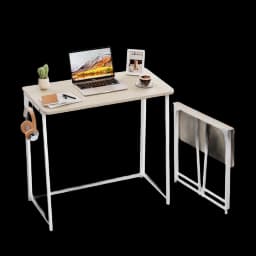
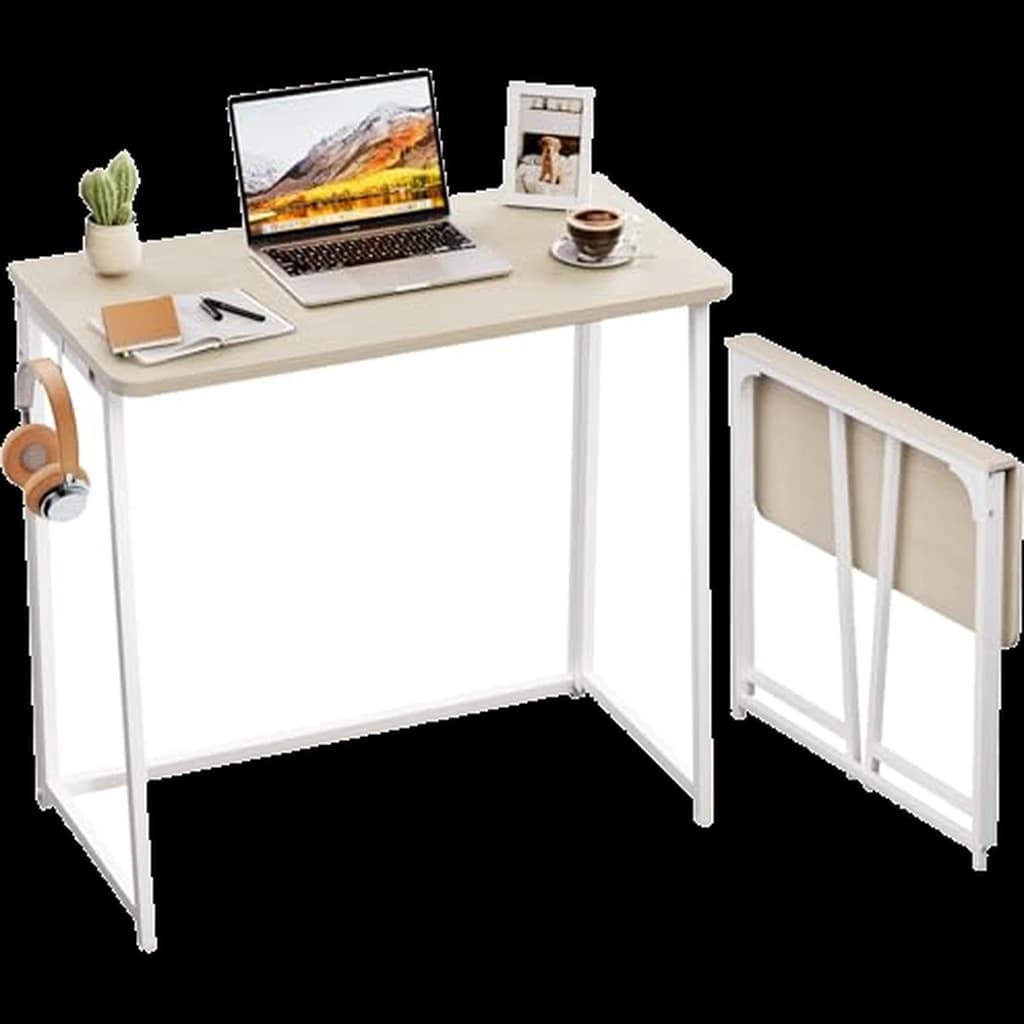
WOHOMO Folding Desk (31.5")
Folds completely flat in seconds to reclaim floor space — no assembly, no wall drilling, and under $50. Best compact pick for studios under 350 sq ft; the guide also covers corner desks and compact standing desks for other layouts.
- Free-standing - no wall mounting, so it works on drywall, in rentals and in rooms where the desk has to move
- Folds to 2.76 inches thick per the listing, thin enough to store behind a door or under a sofa
- Under 15 pounds per the listing, so one person can carry it between rooms
Price checked Oct 8, 2026 — verify the live price on Amazon.
Also Great
Wall-mount option: Prepac Wall-Mounted Drop-Leaf Desk ($130) — Folds flat against the wall when not in use — best for micro apartments
Corner desk: Sauder Harbor View L-Desk ($280) — Uses a corner (dead space) to maximize surface area without eating floor space
 #1 Owner rating | 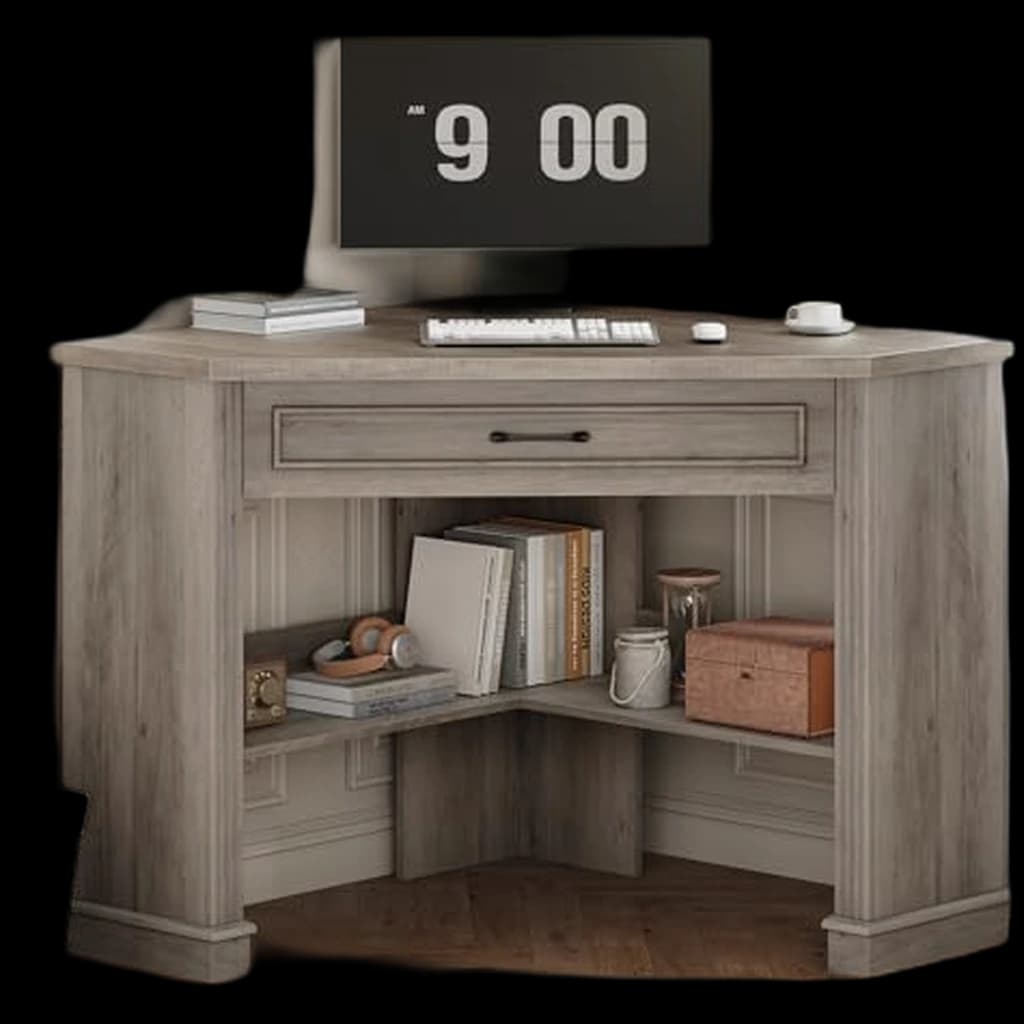 #2 Owner rating | 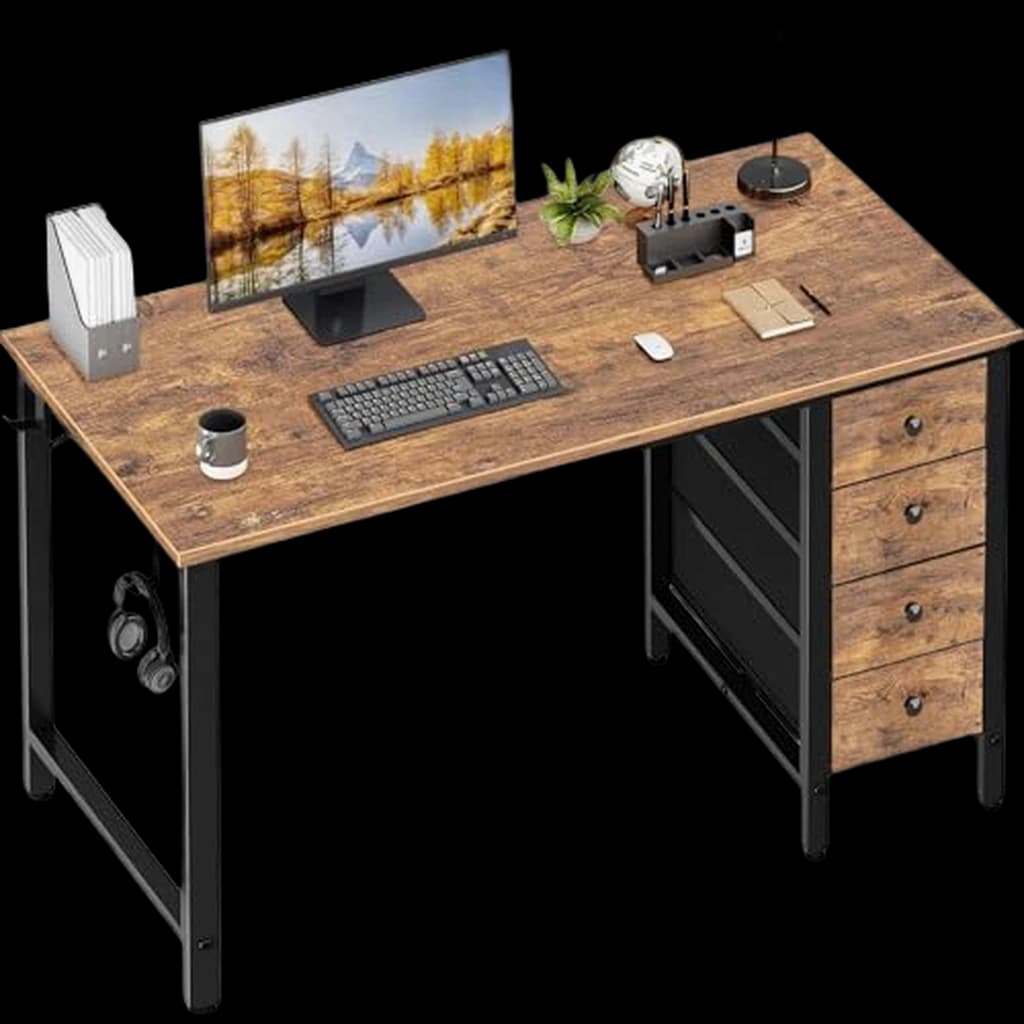 #3 Owner rating | 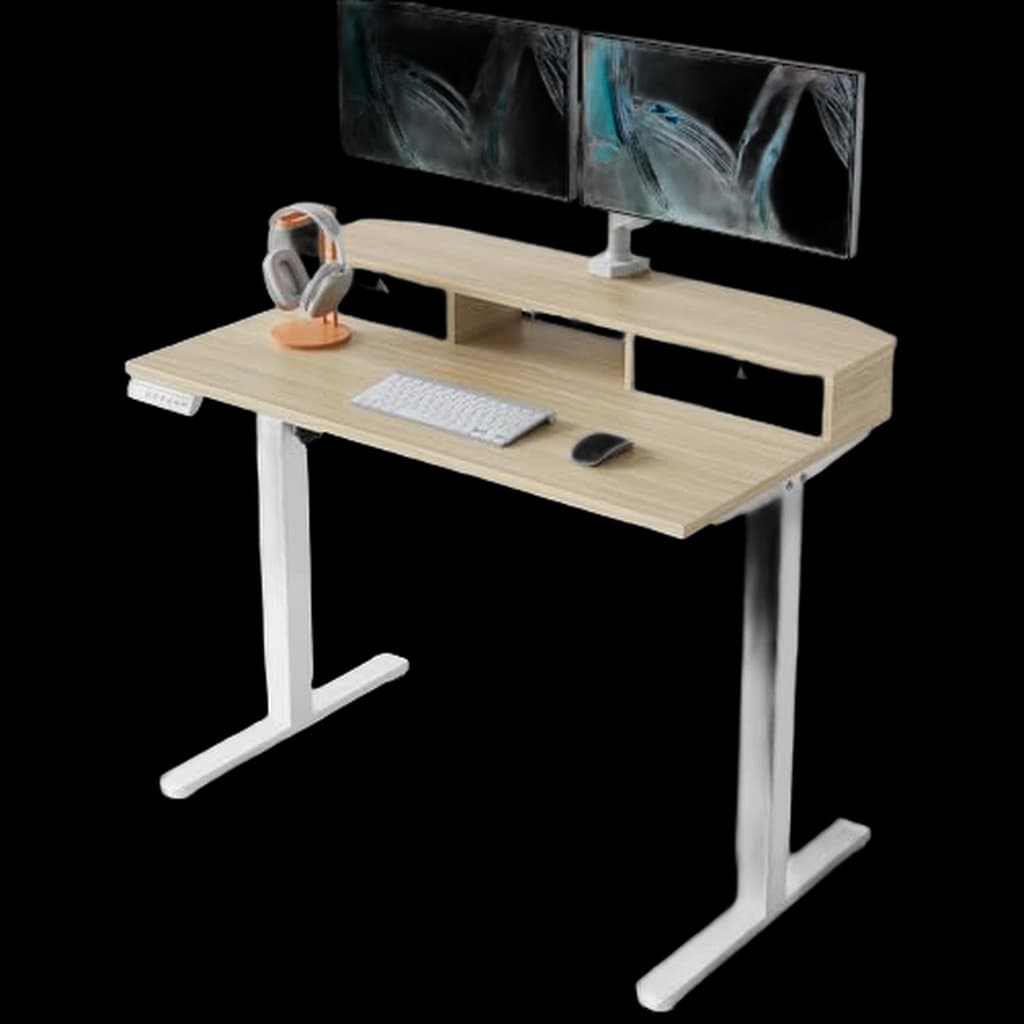 #4 Owner rating | |
|---|---|---|---|---|
| Price | $53.99Buy on Amazon | $99.99Buy on Amazon | $89.99Buy on Amazon | $129.99Buy on Amazon |
| Verdict | Best fold-away desk — folds flat in seconds to reclaim floor space, no assembly | Best small corner desk — turns a dead corner into a workstation | Best small desk with storage — a 40" top plus a four-drawer tower in one footprint | Best compact standing desk — sit-stand in a 40×24 footprint with a monitor shelf |
| Buyer sentiment | Assembly Quality Sturdiness Foldability Buyers praise assembly, quality, sturdiness and foldability. Based on 2,492 user mentions | Appearance Quality Corner Fit Sturdiness Buyers praise appearance, quality, corner fit and sturdiness. Mixed feedback on assembly. Based on 182 user mentions | Assembly Quality Sturdiness Size Material Buyers praise assembly, quality, sturdiness and size. Some flag material. Based on 865 user mentions | Assembly Quality Sturdiness Functionality Buyers praise assembly, quality, sturdiness and functionality. Based on 855 user mentions |
| Specs |
|
|
|
|
| Pros |
|
|
|
|
| Cons |
|
|
|
|
* Prices checked Oct 8, 2026 and may vary. Check the latest price on Amazon.
We research — never hands-on. How we research →
Key Takeaways
Twelve compact desks ranked for studios and 450 sq ft apartments. Wall-mounted, corner, and fold-out picks under 48" wide. NYC and SF approved.
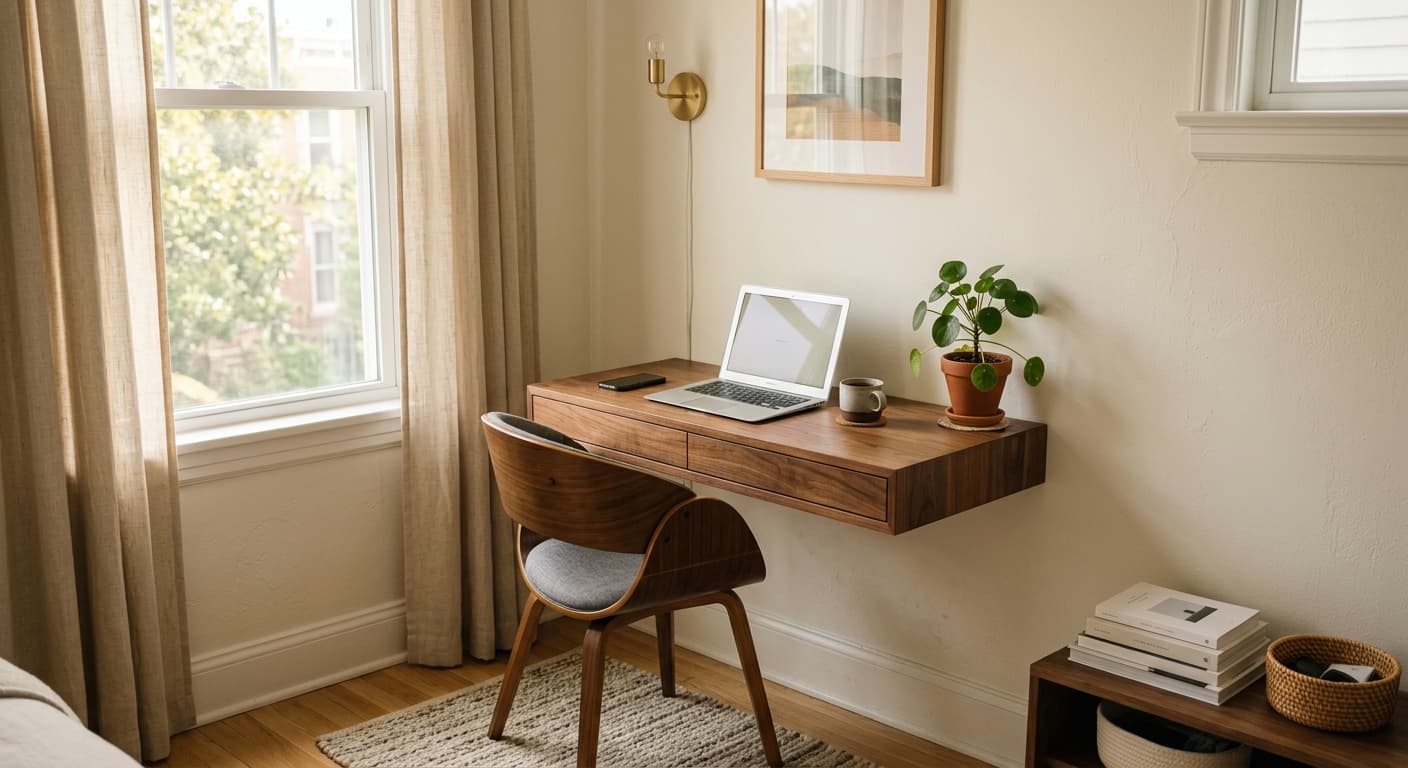
As an Amazon Associate I earn from qualifying purchases. Product prices and availability are subject to change.
When your bedroom, living room, and home office are the same 400 square feet, a standard 60-inch desk is a non-starter. We researched the best options for compact spaces — from wall-mounted floating desks that hide when you're not using them, to tiny-but-stable standing desks that fit a laptop and nothing else, to corner desks that use dead space.
This guide is based on reviews from r/malelivingspace, r/femalelivingspace, r/battlestations, and long-term owner feedback from NYC, SF, and Tokyo-based remote workers who've solved the "my whole life fits in one room" problem. If you have 1000+ sq ft, this isn't the guide you need — try our full home office guide instead.
What the Research Says About Small-Space Office Setup
The U.S. Bureau of Labor Statistics puts the average remote worker at roughly 8–9 hours per day at their desk — more than they spend in bed. In a 400 sq ft studio that makes the desk the most-used piece of furniture in the apartment, competing with the bed, kitchen prep, and dining for square footage. Research from BIFMA (the office-furniture standards body) and the IFMA Workplace Survey converges on three principles for compact home offices:
- 24-inch depth is the threshold below which dual-monitor or large-monitor setups become uncomfortable (BIFMA G1). Below 20 inches you'll back away from the monitor mid-task to relieve neck strain.
- 44-inch width is the minimum for a single monitor plus laptop plus keyboard tray. This is the width where ergonomics start to feel cramped rather than just compact.
- Sit-stand alternation matters more in small apartments, because you have fewer built-in reasons to leave the chair (no commute, no walk to a meeting room, no shared kitchen). Compact electric standing desks compress that benefit into the same footprint as a regular desk.
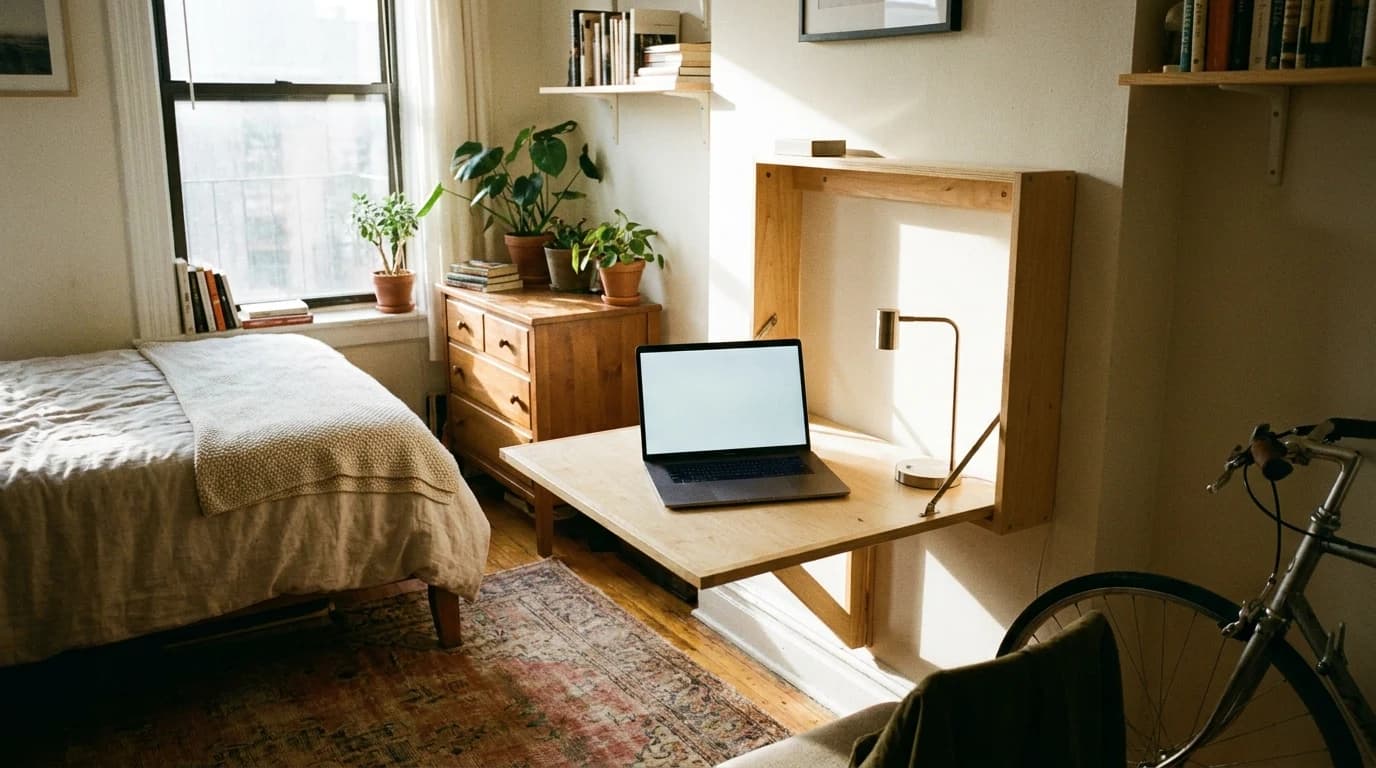
Worth knowing: NIOSH field studies have repeatedly found that fold-out and convertible desks correlate with significantly fewer hours of actual use. People just don't unfold them on busy days.
Go fold-away if:
- The desk genuinely cannot live out 24/7 — a true studio, a hallway, a shared living room
- Your desk work is a few hours a day, not the whole day
Go permanent if:
- Your job is desk-based, where a permanent desk pays off in measured hours of use
- You can give up a corner, an alcove, or a wall nook full-time
What "small" actually means here
For this guide, "small" means the desk needs to fit in any of these situations:
- A studio apartment under 500 sq ft
- A bedroom corner where a bed and dresser already live
- A living room where the desk doubles as a dining table or console
- A closet converted into a "cloffice"
- A tiny alcove or wall nook
Rule of thumb: keep the footprint under 42 inches wide and 20 inches deep, ideally with some way to hide or compact the setup when you're not using it.
All twelve picks, sorted by what they solve:
| Pick | Price | Best for |
|---|---|---|
| WOHOMO Folding Desk | ~$47 | "The desk must disappear after work" |
| Tangkula Folding Wall-Mounted Desk | ~$95 | Renters who can drill; hallway and nook setups |
| Neoaider Wall-Mounted Folding Table | ~$57 | The cheapest zero-footprint option |
| SEDETA 31.5" Corner Desk | ~$100 | Turning a dead corner into a desk |
| Pamray 40" L-Shaped Corner Desk | ~$54 | Dual-monitor or spread-out setups |
| Armocity Corner Desk with Outlets | ~$80 | Corners far from an outlet |
| Lufeiya 40" Desk with 4 Drawers | $89.99 | Replacing a separate dresser or filing cabinet |
| SHW Mission 40" Computer Desk | ~$70 | A no-nonsense everyday desk |
| Sweetcrispy 40" Desk with Drawers | ~$45 | Built-in storage on a tight budget |
| HUANUO 40×24 Electric Standing Desk | $120.64 | Sit-stand without a full-size frame |
| SHW 40" Electric Standing Desk | ~$140 | A minimal standing surface |
| ErGear Electric Standing Desk | ~$95 | The cheapest electric standing desk |
Seven of the folding, wall-mounted and corner picks below are also ranked side by side, with current prices and owner-sentiment data, on our small-space and folding desks comparison.
Wall-mounted & fold-away desks (free up the floor)
These give back the most floor space — they fold flat or mount to the wall and disappear when you're done. Best for true studios where the desk can't live out 24/7.
1. WOHOMO Folding Desk — ~$47
The WOHOMO Folding Desk is a free-standing folding desk that opens in seconds and folds flat to slide behind a door or against a wall. No assembly, a 31.5" surface, and the highest-rated pick in this guide.
Size: 31.5" W
2. Tangkula Folding Wall-Mounted Desk — ~$95
The Tangkula Folding Wall-Mounted Desk bolts to the wall and drops down to a full work surface, then folds back up to a slim shelf. Zero floor footprint when it's closed.
Size: ~31" W
3. Neoaider Wall-Mounted Folding Table — ~$57
The Neoaider Wall-Mounted Folding Table is the budget version of the same idea — a fold-down floating shelf-desk for under $40. Smaller and lighter, ideal for a laptop-only station.
Size: compact float
Corner & L-shaped desks (use the dead corner)
Corners are usually wasted space in a small apartment. These turn a triangle of nothing into a real workstation.
4. SEDETA 31.5" Corner Desk — ~$100
The SEDETA 31.5" Small Corner Desk tucks into a 31.5" corner with open shelves underneath for books and a printer. Sturdy, well-reviewed, and the best true-corner pick.
Size: 31.5" corner
5. Pamray 40" L-Shaped Corner Desk — ~$54
The Pamray 40" L-Shaped Corner Desk gives you two work surfaces in an L, with reversible shelves so it fits a left- or right-hand corner, plus a side storage bag. The most surface area for the money.
Size: 40" L-shape (reversible)
6. Armocity Corner Desk with Outlets — ~$80
The Armocity Corner Desk builds power outlets and USB ports into a compact corner footprint — handy when the nearest wall socket is across the room.
Size: compact corner
Compact desks with storage (one footprint, less clutter)
A 40-inch desk with built-in drawers replaces a desk and a small dresser — one of the biggest space wins in a studio.
7. Lufeiya 40" Desk with 4 Drawers — ~$67
Buy on Amazon · $89.99The Lufeiya 40" Computer Desk with 4 Drawers builds a four-drawer fabric tower into a 40" desk, so your odds and ends live inside the footprint. The drawer side is reversible.
Size: 40" W + 4 drawers
8. SHW Mission 40" Computer Desk — ~$70
The SHW Mission 40-Inch Desk is a simple, sturdy 40" writing desk from a well-known home-office brand — no frills, just a clean surface that fits almost anywhere.
Size: 40" W
9. Sweetcrispy 40" Desk with Drawers — ~$45
The Sweetcrispy 40" Computer Desk with Drawers is the budget storage pick — a 40" top with drawers for under $50.
Size: 40" W + drawers
Compact standing desks (sit-stand in a small footprint)
You don't need a 60-inch frame to stand. These 40-inch electric desks fit a laptop and a monitor and still raise to standing height.
10. HUANUO 40×24 Electric Standing Desk — ~$114
Buy on Amazon · $129.99The HUANUO 40" × 24" Electric Standing Desk is a compact motorized sit-stand with a built-in monitor shelf, in a 40×24 footprint that fits a small room. The best small standing desk here.
Size: 40" × 24" electric
11. SHW 40" Electric Standing Desk — ~$140
The SHW 40-Inch Electric Height-Adjustable Standing Desk is a flat-top 40" motorized desk from a reliable brand — clean lines, quiet motor, no shelf.
Size: 40" electric
12. ErGear Electric Standing Desk — ~$95
The ErGear Height-Adjustable Electric Standing Desk is the budget motorized pick — a wider sit-stand top that still works tucked into a corner of a studio.
Size: electric sit-stand
Which category fits your space?
| Situation | Best category |
|---|---|
| Rental, bare walls OK to drill | Wall-mounted & fold-away (picks 1–3) |
| Rental, no drilling | Corner (picks 4–6) or compact standing (picks 10–12) |
| Studio with an awkward corner | Corner & L-shaped (picks 4–6) |
| "The desk must disappear after work" | Fold-away (picks 1–3) |
| Need storage built into the desk | Desks with storage (picks 7–9) |
| Want to sometimes stand | Compact standing (picks 10–12) |
The three mistakes people make buying small-apartment desks
- Buying too deep. A 30"-deep desk in a small apartment eats walking space. 20–24 inches is enough for a laptop + external monitor + mouse + keyboard. Anything more and the desk starts to dominate the room.
- Skimping on stability. A wobbly wall-mounted desk is worse than no desk. Check the weight rating (minimum 50 lbs for a functional setup) and owner reviews specifically about stability before buying.
- Forgetting cables. In a small space, visible cables look like a junk drawer threw up. Budget $30 for a cable tray, Velcro straps, and a small under-desk basket. See cable management ideas for home office.
The monitor question
Small-apartment desks usually can't accommodate a 27" monitor on its own stand — the stand's footprint eats too much surface area. The solution is a monitor arm that clamps to the back of the desk, and it buys you three things:
- Roughly 6 inches of desk depth recovered
- The screen positioned over the desk surface rather than on it
- A price of $80–$150 for a Humanscale or Ergotron LX
For tiny spaces, a 24" monitor is usually the right size anyway. Our best monitors for home offices guide covers good options.
What about the chair?
The chair is usually the hardest part of a small-apartment setup. Most ergonomic chairs take up 24–30 inches of floor space when pushed in, and don't fold. If floor space is tight, look at:
- Folding or stackable chairs — fine for occasional use, terrible for 8 hours/day
- Ergonomic stools — smaller footprint but can't be sat in for full days
- Compact ergonomic chairs — the Sihoo M18 has a sub-24" footprint. If looks matter more than adjustment, the Branch Daily Chair (~$269) is Branch's slimmed-down option: a mesh back and contoured seat with four adjustment points (height, tilt tension, recline lock), a fixed lumbar rest rather than an adjustable one, rated to 225 lb. It is a chair for a room you look at all day, not a full ergonomic chair.
See our best ergonomic chair under $500 guide for full picks.
What to Skip in a Small Apartment Office
- Sub-$80 fold-out wall desks. They sag under monitor weight, the hinge wears out in roughly 12 months of daily folding, and they're harder to mount safely on rental drywall than the marketing photos suggest.
- Standing desk converters in studios under 350 sq ft. They eat the desk surface they sit on. A compact full-electric standing desk has the same footprint and roughly twice the usable work surface.
- Glass-top desks. Mark, reflect, scratch, and feel cold to the wrist year-round. Wood, laminate, or bamboo wins at every price point in this category.
- U-shaped or L-shaped desks for a single user. They look productive but the secondary surface becomes paper-pile territory within a month. Single-surface desks beat L-shapes in user satisfaction surveys more often than not.
- Treadmill desks in apartments above the ground floor. Your downstairs neighbor will hate you within a week. Walking pads are quieter but still audible through standard apartment floors.
Frequently asked questions
What's the minimum desk size I can work on full-time? Roughly 36" × 20" if you're using a laptop and external monitor with an arm. Smaller and you'll feel cramped. Larger than 48" × 24" and the desk starts dominating a small apartment.
Can I use a wall-mounted desk as a standing desk? Only if you install it at standing height (around 42" from floor). Some people install two desks — a regular height for sitting and a wall-mounted one at standing height for active work.
What about a Murphy bed-style desk? They exist and some are good (Murphy Cabinet Beds has options), but expensive ($800+) and installation is significant. Only worth it for permanent living situations where you're sure of the layout.
Will a wall-mounted desk damage my walls? Properly installed into studs, no. Installed into drywall with anchors, yes eventually — the weight pulls on the anchors. Always hit the studs. Budget $20 for a stud finder if you don't own one.
Is the Flexispot E7 Mini stable at full height? Based on consistent long-term reviews across r/standingdesks and Reddit: mostly, yes. Slight wobble with fast typing at maximum height for users over 6 feet tall. Fine for typical use.
How much should I spend on a small-apartment desk? Most people land around $150–$300. The Neoaider wall-mounted folder at about $57 is the budget floor. A compact electric standing desk around $140 is the ceiling — everything here fits a studio and a modest budget. Most city apartment dwellers should target the $200 range.
Sources & Research
- BIFMA G1 — Ergonomics Guideline for VDT Furniture
- NIOSH — Office ergonomics field research
- Cornell University Ergonomics Group — Desk depth and monitor distance
- U.S. Bureau of Labor Statistics — American Time Use Survey, work-from-home data
Bottom line
Small-apartment desk shopping is about tradeoffs: surface area vs floor space, stability vs portability, standing capability vs cost. No single desk wins on all axes. Figure out which constraint is most binding in your space and optimize around that one:
- Floor space — go fold-away or wall-mounted
- Stability — go corner or a compact electric frame
- Aesthetics — pick the surface you'll want to look at every day
For related guides, see small apartment WFH setup, home office ideas for bedroom corners, and home office ideas when you don't have a dedicated room.
Your next step
Found your fit? Compare the full desk lineup.
Hilly Shore Labs
Editorial TeamWFH Lounge is published by Hilly Shore Labs. Every recommendation is built by synthesizing ergonomic research, manufacturer specs, expert reviews from outlets like Wirecutter, RTINGS, and The Verge, and aggregated long-term owner sentiment from thousands of verified buyers.
All product reviews are independently researched. Our recommendations are based on ergonomic guidelines, manufacturer specifications, and verified buyer sentiment. See our methodology.