Best Ergonomic Accessories for WFH 2026: 7 Picks That Help
Our #1 Pick

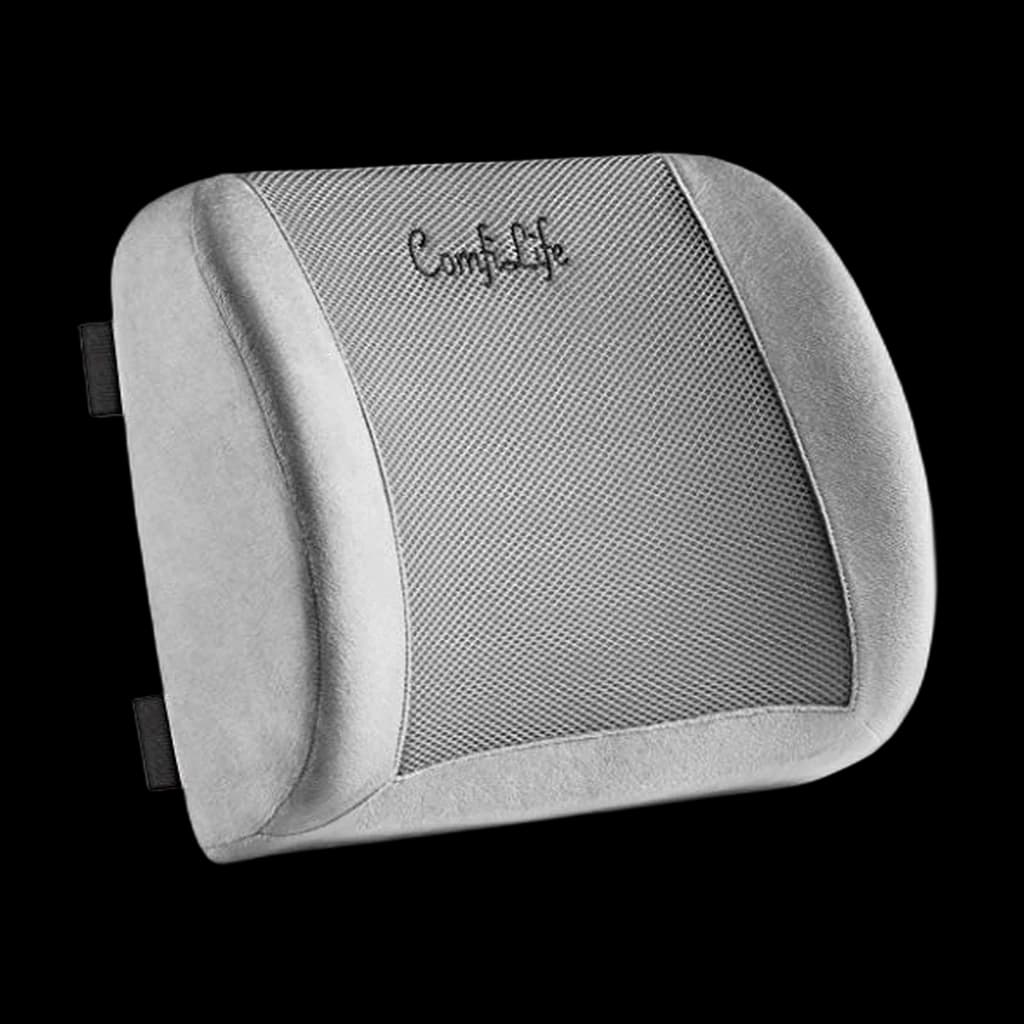
ComfiLife Lumbar Support Pillow
The default lumbar patch across r/HomeOffice with 50,000+ reviews - memory foam, dual adjustable straps, fits virtually any office chair without built-in lumbar support.
- Pure memory foam holds shape years longer than fiber-fill cushions
- Dual adjustable straps with extension fit chairs up to 32 inches wide
- Breathable 3D mesh cover is removable and machine washable
Price checked Oct 10, 2026 — verify the live price on Amazon.
 #1 Owner rating | 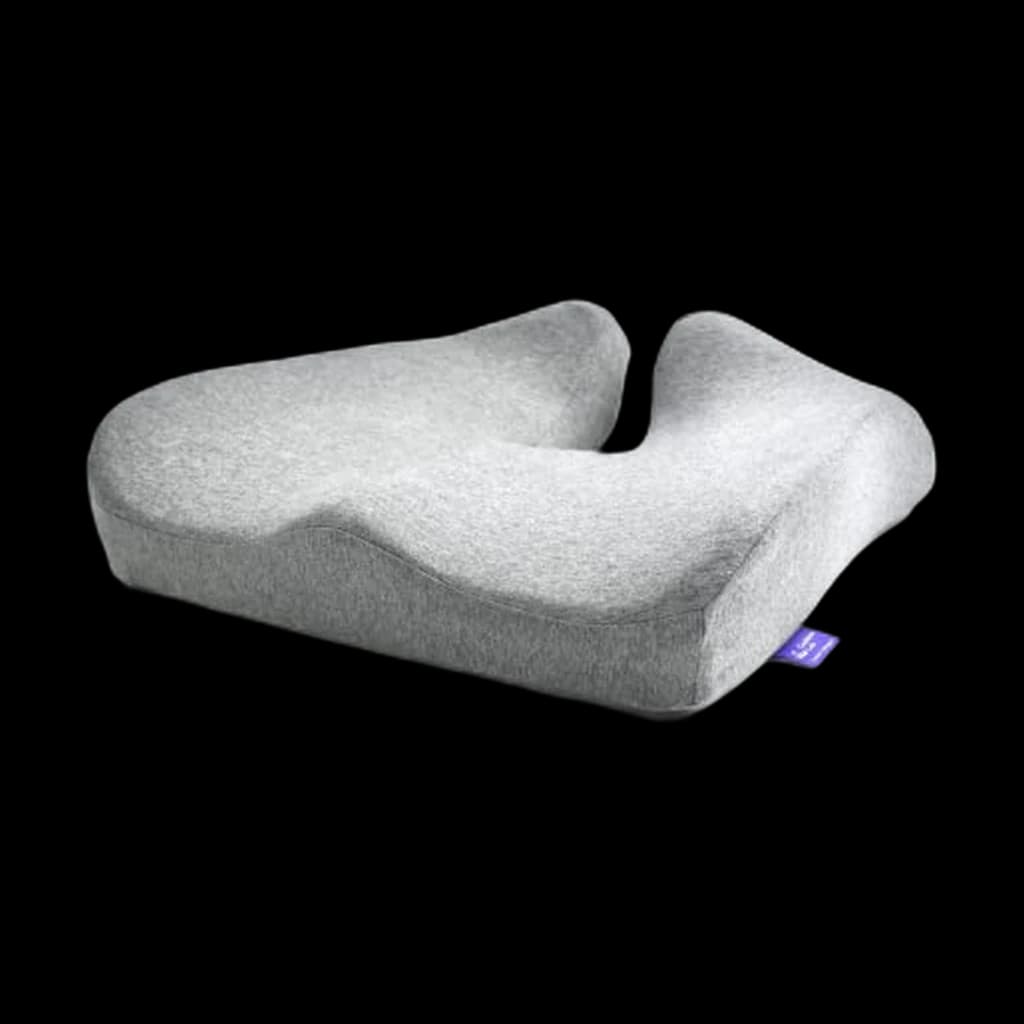 #2 Owner rating | 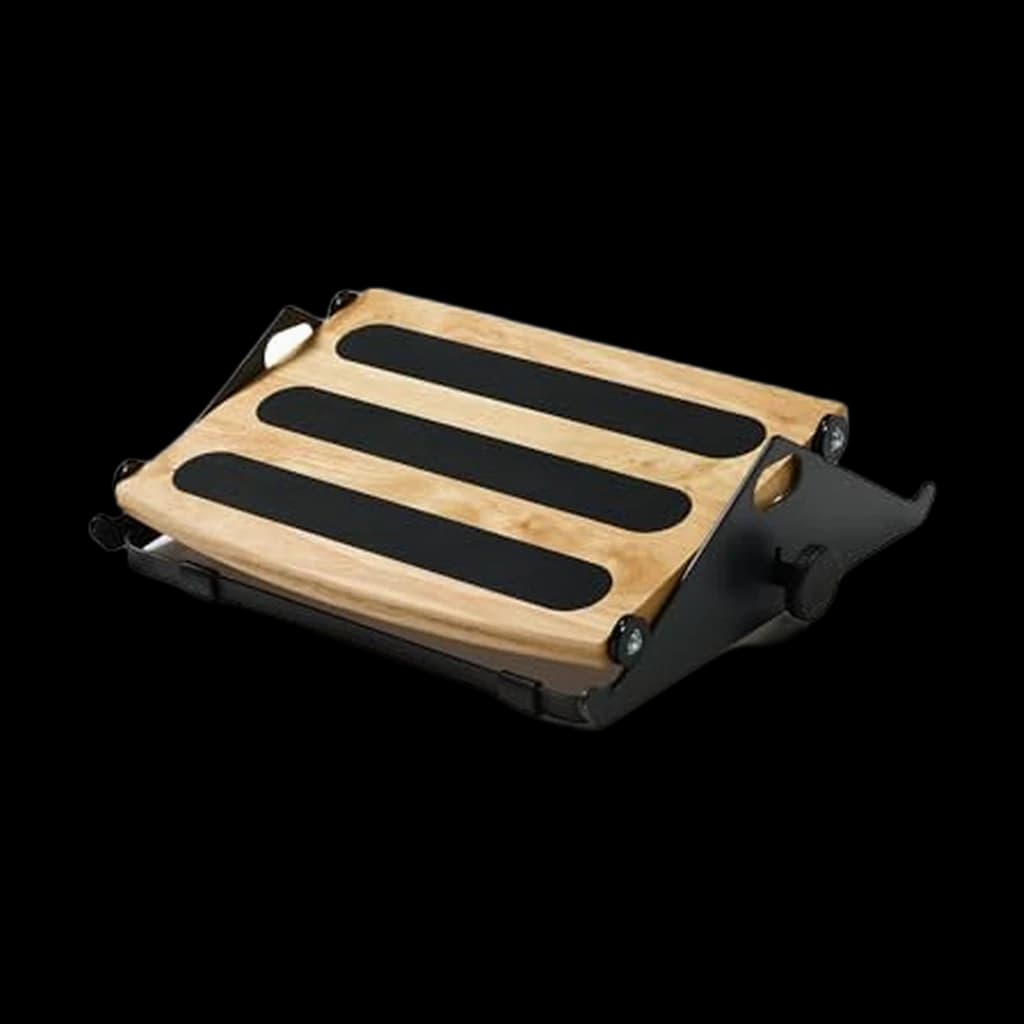 #3 Owner rating | 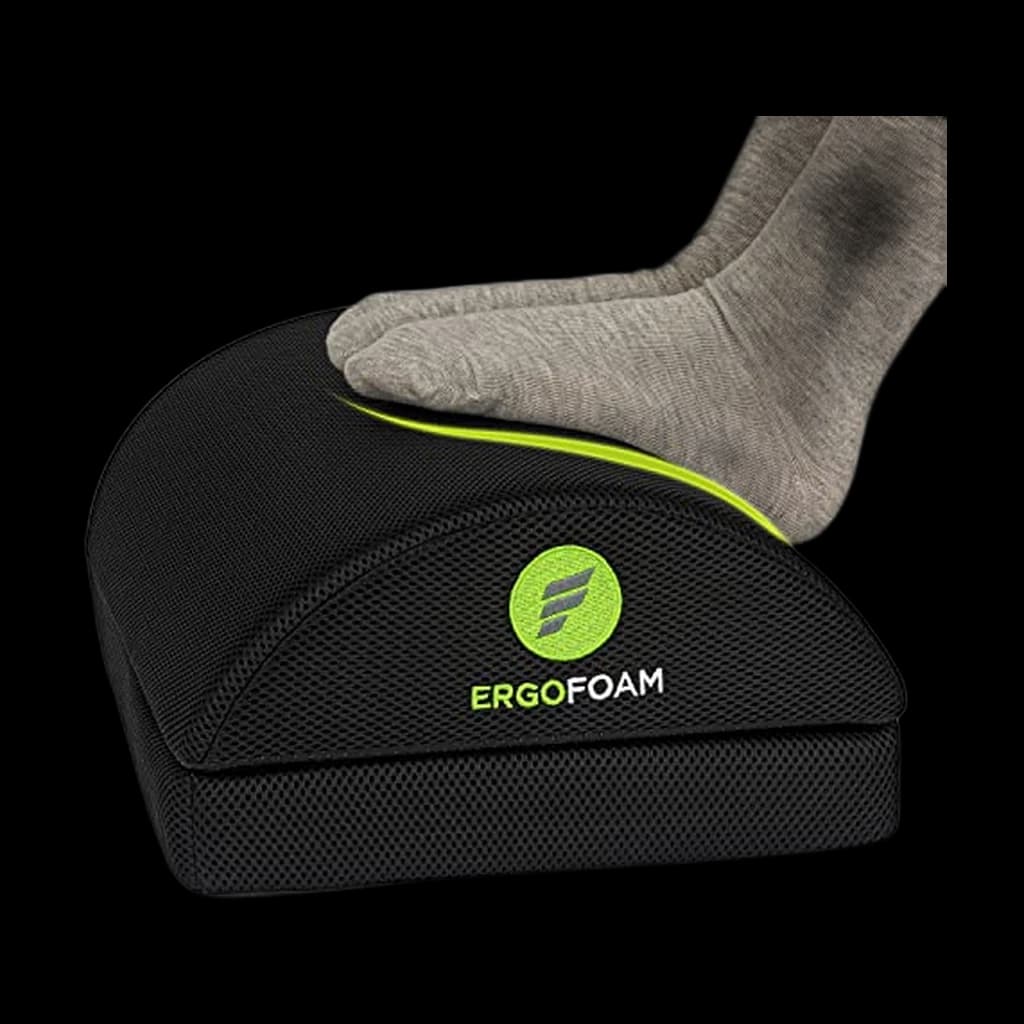 #4 Owner rating | 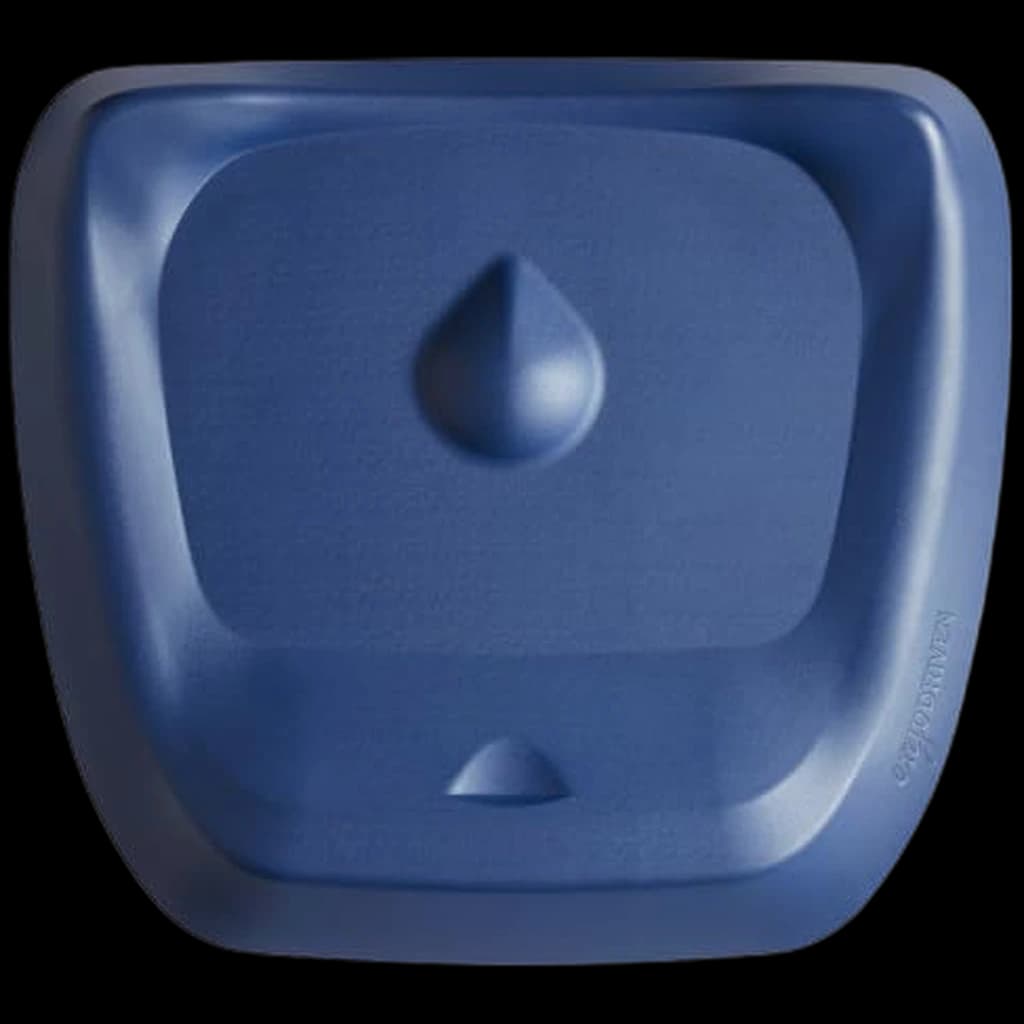 #5 Owner rating | 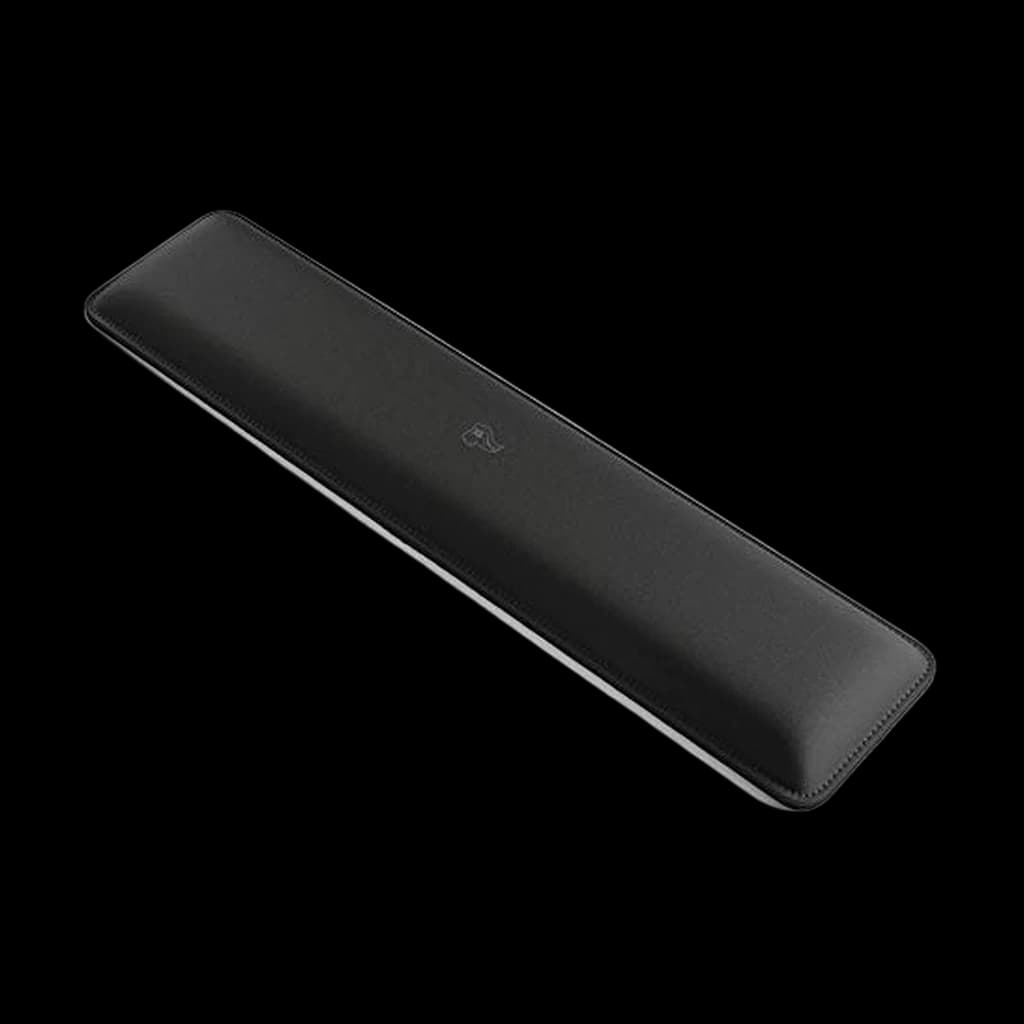 #6 Owner rating | |
|---|---|---|---|---|---|---|
| Price | $36.99Buy on Amazon | $74.99Buy on Amazon | $45.95Buy on Amazon | $119Buy on Amazon | $16.02Buy on Amazon | |
| Verdict | The default lumbar patch - memory foam, dual straps, fits any chair | Extra-dense memory foam with a tailbone cutout for long-sit pain | Steel-frame rocking footrest - encourages micro-movement | Static foam footrest with two height settings - safe default | The cult standing-desk mat — contoured terrain encourages movement and eases standing fatigue | Firm flat wrist rest with stitched edges - the pick if you need one |
| Buyer sentiment | Comfort Back Support Pain Relief Quality Buyers praise comfort, back support, pain relief and quality. Mixed feedback on firmness. Based on 3,557 user mentions | Comfort Pain Relief Cushion Quality Buyers praise comfort, pain relief, cushion and quality. Mixed feedback on value for money and firmness. Based on 6,897 user mentions | Memory Weight Buyers praise memory. Some flag weight. Based on 100 user mentions | Comfort Quality Adjustability Firmness Buyers praise comfort, quality, adjustability and firmness. Mixed feedback on material. Based on 280 user mentions | Mobility Foot support Durability Comfort Buyers praise mobility, foot support, durability and comfort. Based on 592 user mentions | Quality Comfort Wrist Support Build Quality Buyers praise quality, comfort, wrist support and build quality. Mixed feedback on firmness and size. Based on 3,022 user mentions |
| Specs |
|
|
|
|
|
|
| Pros |
|
|
|
|
|
|
| Cons |
|
|
|
|
|
|
* Prices checked Sep 11, 2026 and may vary. Check the latest price on Amazon.
We research — never hands-on. How we research →
Key Takeaways
The 7 best ergonomic accessories for WFH 2026 - ComfiLife lumbar wins, Cushion Lab for tailbone pain, HumanScale FR300 footrest. Plus the wrist-rest mistake Cornell warns about.
As an Amazon Associate I earn from qualifying purchases. Product prices and availability are subject to change.
Ergonomic accessories are the cheapest way to patch a WFH setup that mostly works but has one specific failure mode. The trap is buying the wrong accessory for the actual problem. A wrist rest does not fix wrist pain caused by a too-high keyboard. A lumbar cushion does not fix sciatica caused by a seat pan that is too long for your femur.
Match the accessory to the symptom, not the body part.
This guide covers four common WFH symptoms and the accessory that actually addresses each one. We cross-referenced:
- Cornell University Ergonomics Lab guidance
- OSHA's Computer Workstations eTool
- The AOTA Home Office Ergonomics Tips
- The long-running r/HomeOffice and r/Workspaces consensus threads
Seven products made the cut.
Decide in 30 seconds
| If your problem is... | Pick |
|---|---|
| Lower back ache from a chair without lumbar support | ComfiLife Lumbar Support Pillow |
| Tailbone pain after 4+ hours of sitting | Cushion Lab Pressure Relief Seat Cushion |
| Feet dangling because the desk is too tall | ErgoFoam Adjustable Foot Rest |
| Leg fatigue and want to encourage micro-movement | Humanscale FR300 Foot Rocker |
| Lower back ache and you are over 6 feet tall | Everlasting Comfort Lumbar Support Pillow |
| Contact stress on the heel of the palm during pauses | Glorious Padded Keyboard Wrist Rest |
| Plantar fatigue or restless feet at the desk | Humanscale FM300 Foot Machine |
How we picked
Every product on this list had to clear three bars:
- A 4+ star aggregate rating with a meaningful long-term sample
- Materials that resist permanent compression for at least 18 months of daily use
- Alignment with mainstream ergonomics guidance from Cornell, OSHA, and AOTA
We disqualified soft squishy gel wrist rests intended for use under active typing because Cornell Lab's published guidance explicitly warns that this can increase pressure inside the carpal tunnel.
1. Best Overall Lumbar: ComfiLife Lumbar Support Pillow
Buy on Amazon · $36.99The ComfiLife is the default answer in r/HomeOffice when someone asks for a lumbar pillow. It is pure memory foam (not fiber-fill) so it does not flatten in the first month, and the dual adjustable straps with an extension piece fit virtually any office chair up to 32 inches wide. The 3D mesh cover is breathable and machine washable.
The trade-off is the same one every memory foam product carries: after 18 to 24 months of daily use the foam compresses semi-permanently. At $40, replacing it once every two years is fine.
Specs: 100% memory foam. Dual adjustable straps. 3D mesh cover, washable.
- Good for: Any office chair without built-in lumbar support, or with lumbar support that has compressed.
- Not good for: Adults over 6 feet who find the contour shallow (use the Everlasting Comfort instead).
2. Best for Tailbone Pain: Cushion Lab Pressure Relief Seat Cushion
Buy on Amazon · $74.99If you sit for four or more hours a day on a flat foam pan, you eventually feel it in the tailbone. The Cushion Lab cushion uses extra-dense memory foam with a U-shaped cutout that genuinely offloads pressure on the coccyx and the sciatic nerve path. Long-term owners in r/Workspaces consistently report that the foam holds firm where cheaper memory foam cushions had already collapsed at the 12-month mark.
The cushion adds roughly 2 inches of seat height, so plan to lower the chair after installing it.
Specs: Extra-dense memory foam. U-cutout. 18 x 14 x 3 inches. Removable washable cover.
- Good for: Office chairs with flat foam seats, car commuters, anyone with tailbone pain after long sitting sessions.
- Not good for: Chairs with already-tall seat pans that put thighs above hips.
3. Best Active Footrest: Humanscale FR300 Foot Rocker
Buy on AmazonThe FR300 is the upgrade pick when a static footrest stops being enough. The steel frame and ball-bearing rollers encourage micro-movement throughout the workday, and the natural-wood top is built to last a decade. It has a long-running reputation in ergonomic clinics and rehab settings, which is unusual for a footrest.
The trade-off is price. At $129 it costs three times a static foam footrest, and the rocking motion only helps if you actually use it. Buyers who park their feet on it without rocking are paying a premium for marginal benefit.
Specs: Steel frame, natural wood top. 3 height positions. Ball-bearing rollers.
- Good for: All-day desk workers who want active foot movement, ergonomic-clinic referrals.
- Not good for: Buyers who just want a static elevation and will not use the rocking motion.
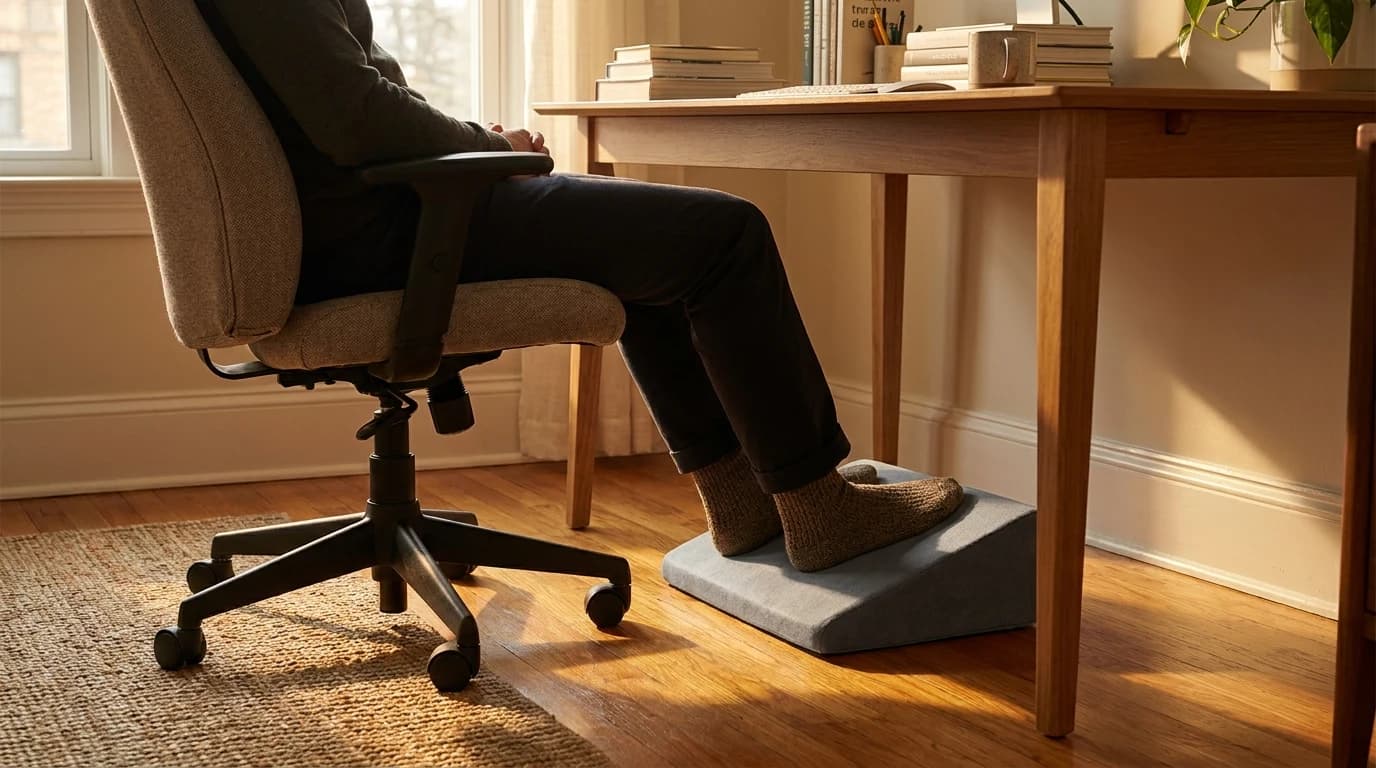
4. Best Static Footrest: ErgoFoam Adjustable Foot Rest
Buy on Amazon · $45.95The ErgoFoam is the safe default if you just want to stop your feet dangling. The 2-in-1 design flips between flat and angled positions, giving you two effective heights from one product. High-density compression-resistant foam keeps shape under daily use, and the mesh cover is removable and washable. OSHA's Computer Workstations eTool specifically calls out footrests as the right answer when desk height is not adjustable to the user.
Specs: High-density compression-resistant foam. 2-in-1 flat or angled. ~4 and 5 inch heights. Mesh cover.
- Good for: Shorter users at non-adjustable desks, anyone who wants set-and-forget foot elevation.
- Not good for: Users specifically seeking an active rocking footrest.
5. Best Lumbar for Tall Users: Everlasting Comfort Lumbar Support Pillow
If you are over 6 feet tall and the ComfiLife feels shallow, the Everlasting Comfort is the alternative. It uses higher-density memory foam with a deeper lumbar contour that actually fills the gap between a tall torso and the chair. The strap system is similar to the ComfiLife with an extension piece for chairs up to 32 inches.
The deeper contour can feel pushy on shorter users. This is not the default pick - it is the upgrade for buyers who tried the ComfiLife and found it inadequate.
Specs: Higher-density memory foam. Hypoallergenic washable mesh cover. Deep contour. Adjustable strap.
- Good for: Adults 6 feet and taller, gaming chair users, anyone whose ComfiLife felt too shallow.
- Not good for: Shorter torsos that find a deep contour pushy.
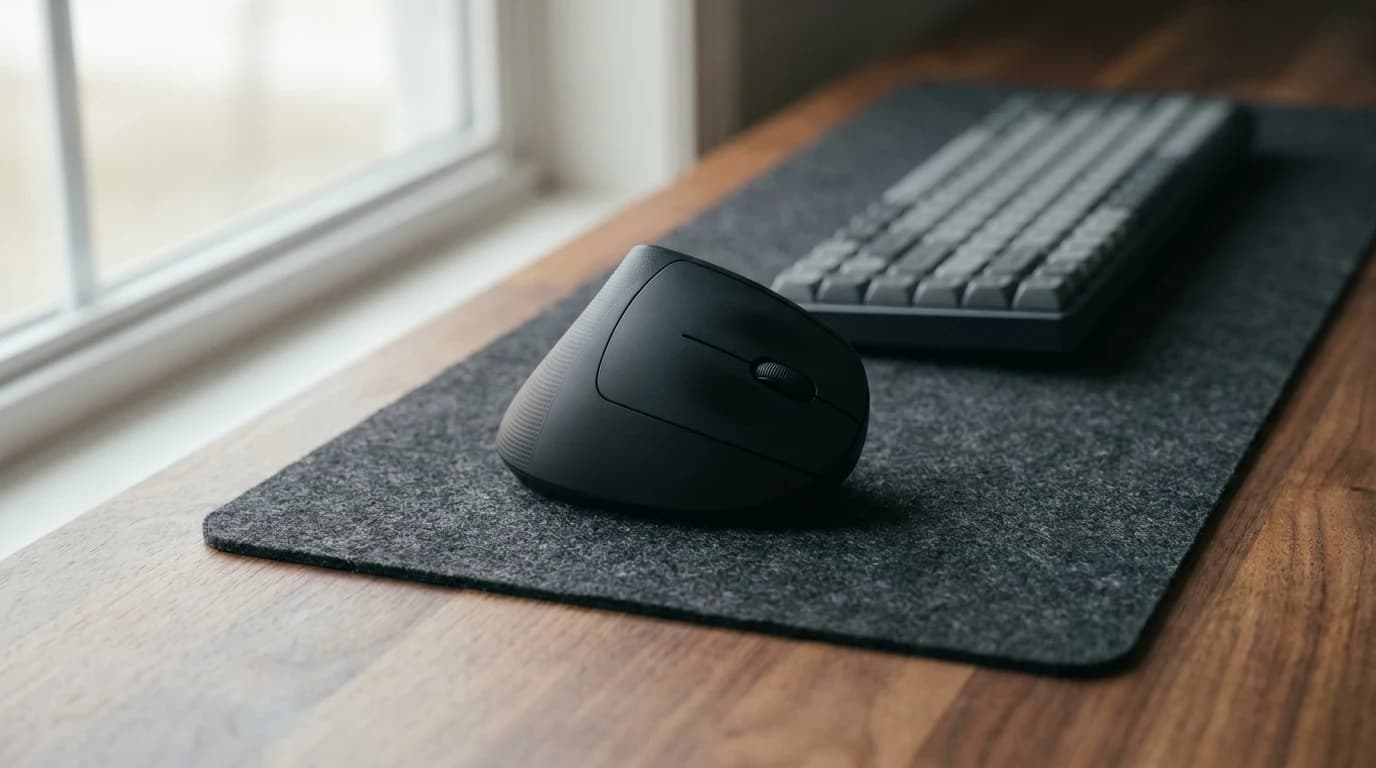
6. Best Wrist Rest (If You Need One): Glorious Padded Wrist Rest Full Size
This is the most-debated category in this guide. Cornell Ergonomics Lab is explicit that research has not demonstrated substantial benefits for wrist rests during active typing, and that pressing one into the underside of the wrist can increase pressure inside the carpal tunnel.
Cornell's actual guidance: rest the heel of the palm on a firm flat surface only during pauses in typing, with hands gliding above it while actively keying.
If you have decided you want one anyway, the Glorious Padded Wrist Rest is the right pick. The surface is firm but not hard, the stitched edges prevent fraying, and the heavy rubber bottom does not slide. Available in full-size, TKL, and compact options for any keyboard layout.
Specs: Foam interior, stitched fabric cover. 17.5 x 4 x 0.7 inches. Heavy rubber non-slip bottom.
- Good for: Mechanical keyboard users who want a firm rest for typing pauses.
- Not good for: Anyone planning to lock their wrists into the rest during active typing - this is not how Cornell guidance says to use it.
7. Specialty: Humanscale FM300 Foot Machine
The FM300 is a niche product. It is a sculpted natural-wood foot massager that doubles as a footrest, with a contoured surface that stimulates plantar pressure points throughout the day. No moving parts means zero failure modes and the wood will last a decade or more. It is the answer for buyers with plantar fatigue or restless feet at the desk who do not want a soft footrest.
Specs: Sculpted natural wood. Static. Fixed angle.
- Good for: Plantar fatigue, buyers who like firm sensory input under the feet.
- Not good for: Buyers seeking soft cushioning or active rocking.
Setting up the accessories correctly
The research consensus from Cornell, OSHA, AOTA, and the Mayo Clinic agrees on a small set of rules:
- Wrist rests support the palm heel during pauses, not the wrist during typing. Hands glide above the rest while actively keying. Soft squishy rests under the wrist can increase carpal tunnel pressure (Cornell).
- Footrests are the right answer when feet do not reach the floor with the chair correctly adjusted to the desk. OSHA explicitly recommends a footrest when desk height is not adjustable.
- Lumbar support sits in the small of the back at the level of the natural spine curve. Too low and it pushes you forward. Too high and it does nothing.
- Seat cushions raise the seat - re-adjust chair height after installing. Otherwise thighs rise above hips and circulation in the legs gets worse, not better.
Frequently asked questions
Do I really need a wrist rest? Probably not during active typing. Cornell Ergonomics Lab guidance is that research has not demonstrated substantial benefits, and that wrist rests pressed into the wrist during active typing can increase carpal tunnel pressure. Wrist rests are appropriate for supporting the heel of the palm during pauses between bursts of typing, not for locking hands in place.
ComfiLife vs Everlasting Comfort - which lumbar? ComfiLife if you are average height or shorter. Everlasting Comfort if you are 6 feet or taller and find the ComfiLife shallow. Both compress at 18-24 months and need replacing.
Static footrest or rocking footrest? Static (ErgoFoam) if you just want to stop your feet dangling. Rocking (Humanscale FR300) if you will actively use the rocking motion to encourage micro-movement.
Will a seat cushion fix my sciatica? Maybe, if the cause is pressure on the sciatic nerve from a flat seat pan. Not if the cause is a herniated disc or a too-long seat pan compressing behind the knees. Symptom-match before buying.
How long do memory foam accessories last? Standard memory foam compresses noticeably after 18 to 24 months of daily use. Extra-dense memory foam (Cushion Lab) lasts roughly twice as long. Plan to replace at the 2-year mark either way.
Do I need to lower my chair after installing a seat cushion? Usually yes. A 2-3 inch cushion raises the seat enough that thighs sit above hips, which restricts blood flow to the legs. Lower the chair to compensate.
Products referenced in this guide
For quick reference, the products tied to this guide are the ComfiLife Lumbar Support Pillow ($36.99), the Cushion Lab Pressure Relief Seat Cushion ($74.99), the Humanscale FR300 Foot Rocker, and the ErgoFoam Adjustable Foot Rest ($45.95).
Other products referenced here include the Ergodriven Topo Anti-Fatigue Standing Mat ($119) and the Glorious Wrist Pad/Rest GWR-75 Compact Black ($16.02).
Bottom line
The right ergonomic accessory is the one that addresses your actual symptom. Lower back ache: ComfiLife Lumbar Support Pillow for most users, Everlasting Comfort for adults over 6 feet. Tailbone pain: Cushion Lab Pressure Relief Seat Cushion. Feet dangling: ErgoFoam for static elevation, Humanscale FR300 for active rocking. Wrist rest: only if you understand Cornell's guidance - palm heel during pauses, not wrists during typing - and the Glorious Padded Wrist Rest is the firm flat surface that fits the use pattern.
For the chair these accessories patch over, see our guide on the best ergonomic chairs under $300. For the keyboard tray height that actually fixes wrist pain (the one a wrist rest does not), see our best mechanical keyboards for WFH guide.
Your next step
The chair is still the biggest lever.
Hilly Shore Labs
Editorial TeamWFH Lounge is published by Hilly Shore Labs. Every recommendation is built by synthesizing ergonomic research, manufacturer specs, expert reviews from outlets like Wirecutter, RTINGS, and The Verge, and aggregated long-term owner sentiment from thousands of verified buyers.
All product reviews are independently researched. Our recommendations are based on ergonomic guidelines, manufacturer specifications, and verified buyer sentiment. See our methodology.