Best USB Microphones for WFH 2026: 7 Picks for Real Calls
Our #1 Pick
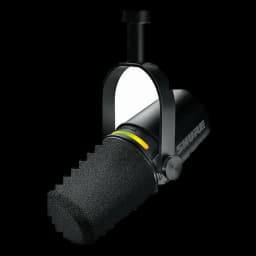
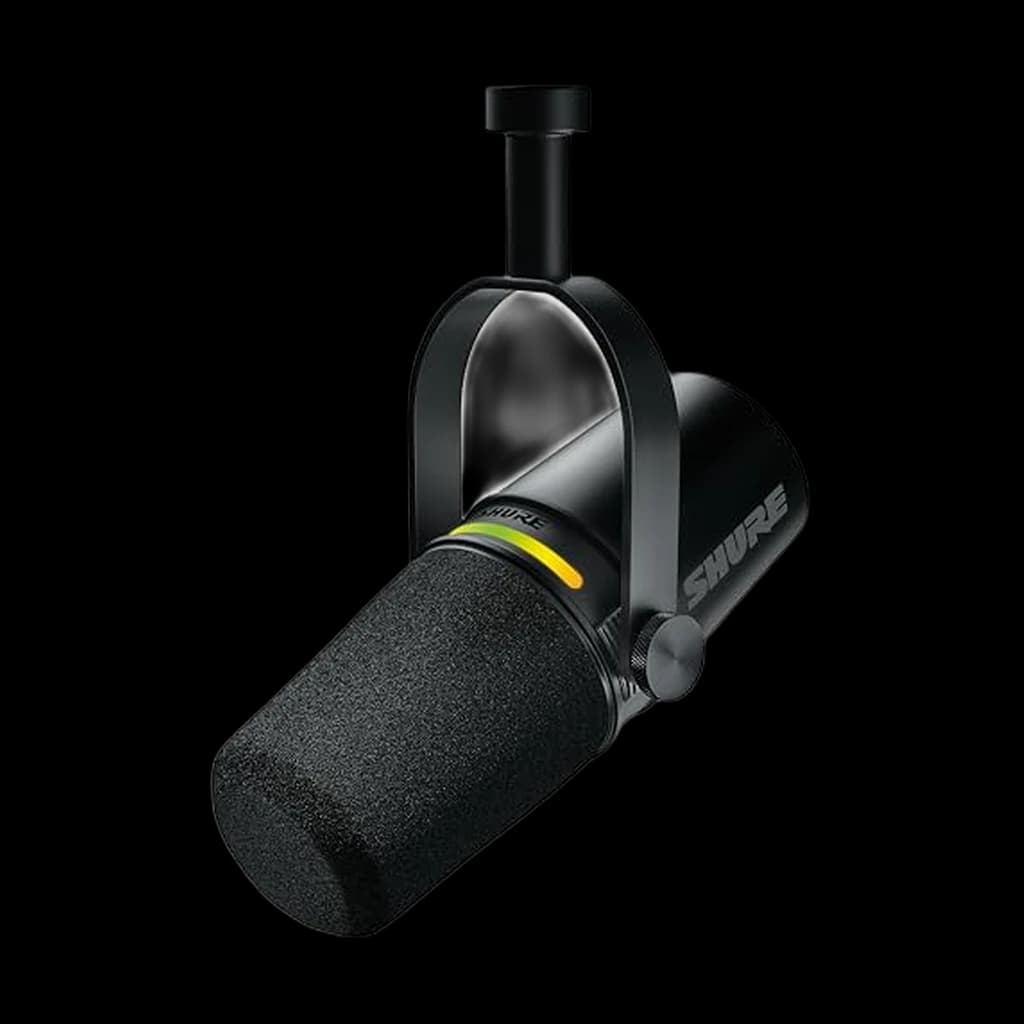
Shure MV7+
The hybrid USB/XLR dynamic mic that nails meetings (Auto Level Mode) and podcasting (broadcast tone) in one device - rejects room noise in untreated home offices and gives a clean upgrade path to a real audio interface later.
- Cardioid dynamic capsule rejects room noise aggressively - works in untreated home offices
- Auto Level Mode automatically rides gain on meetings so your voice stays consistent when you lean in or back
- USB-C plus XLR outputs - start on USB, upgrade to a real interface later without buying a new mic
Price checked Oct 17, 2026 — verify the live price on Amazon.
 #1 Owner rating | 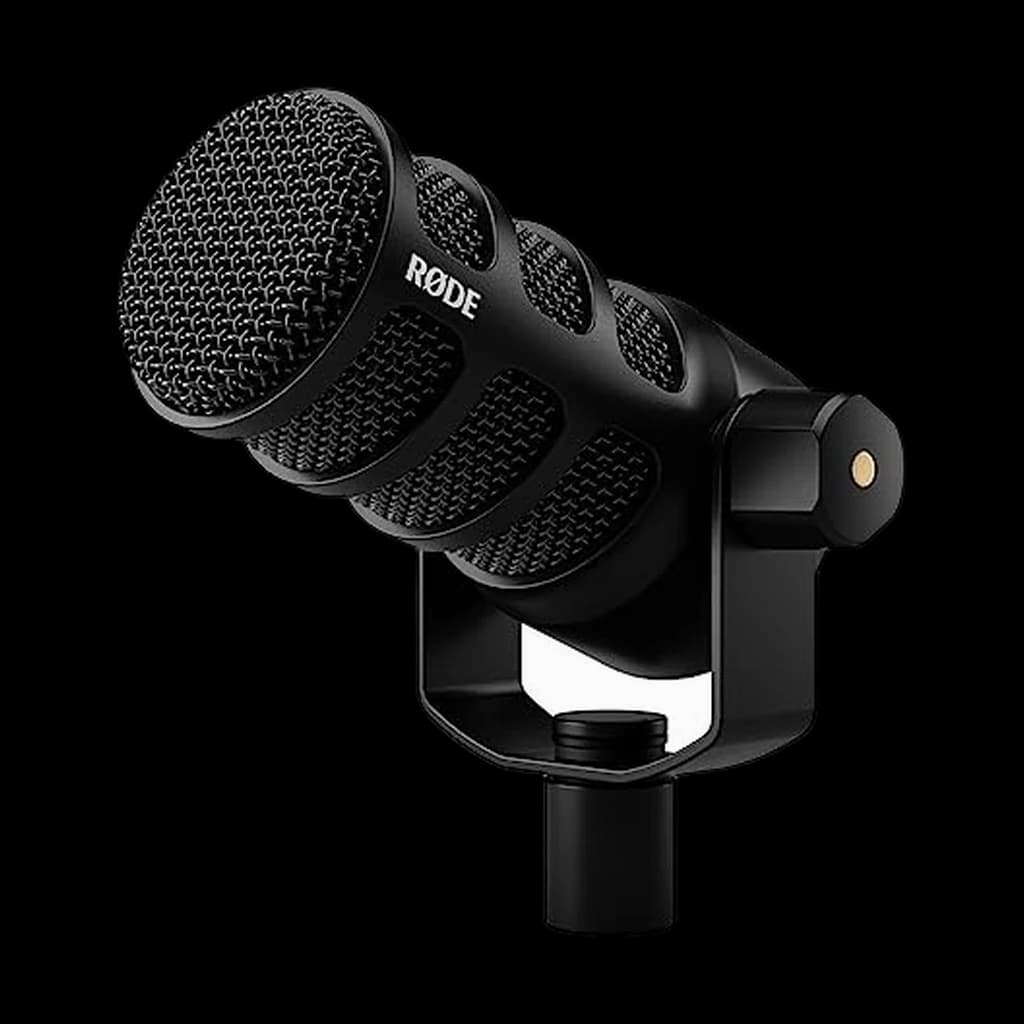 #2 Owner rating | 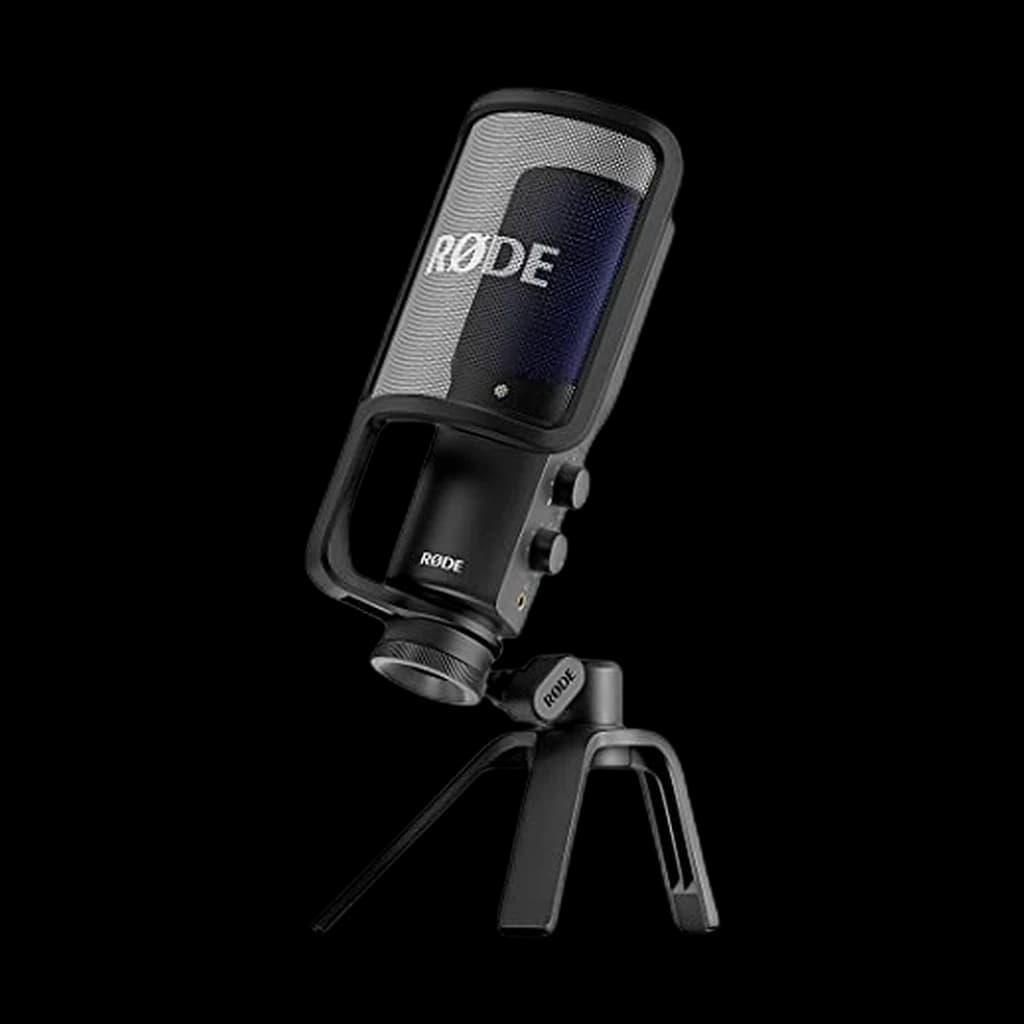 #3 Owner rating | 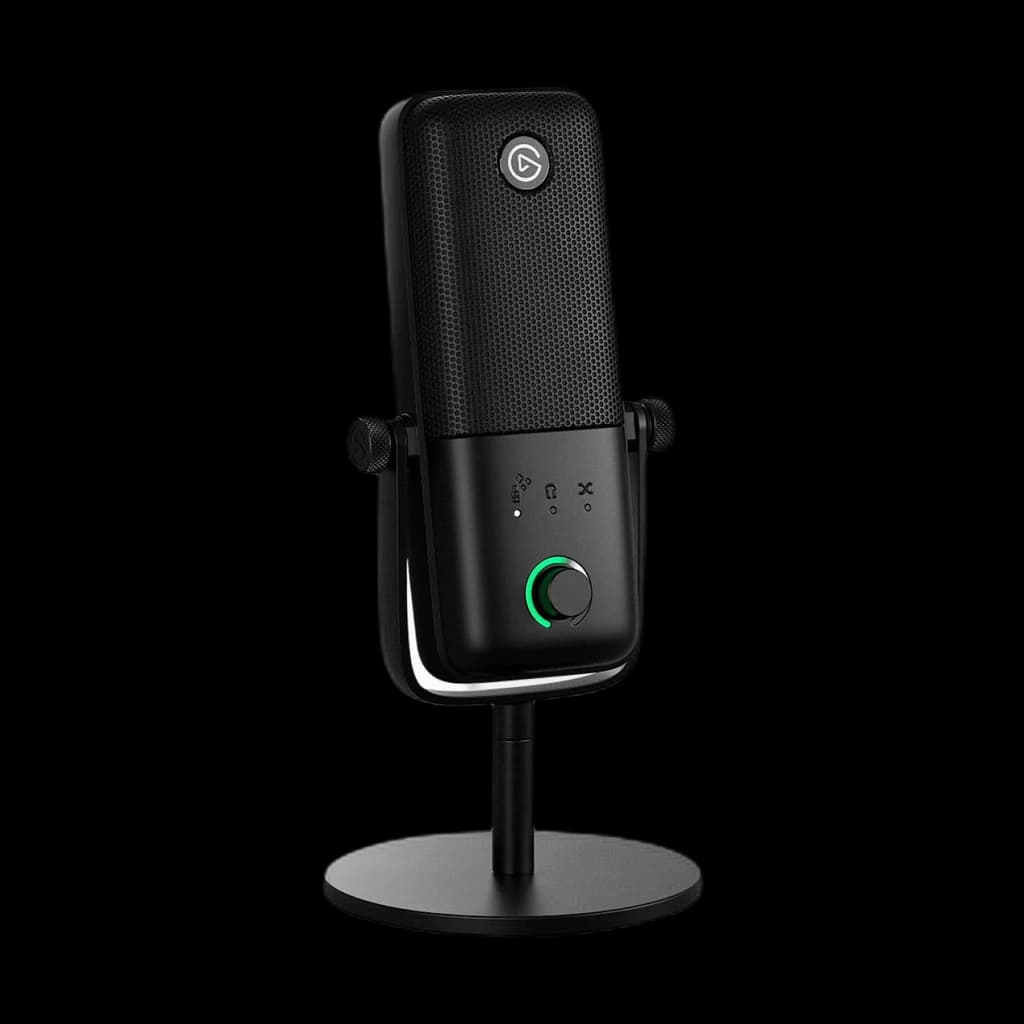 #4 Owner rating | 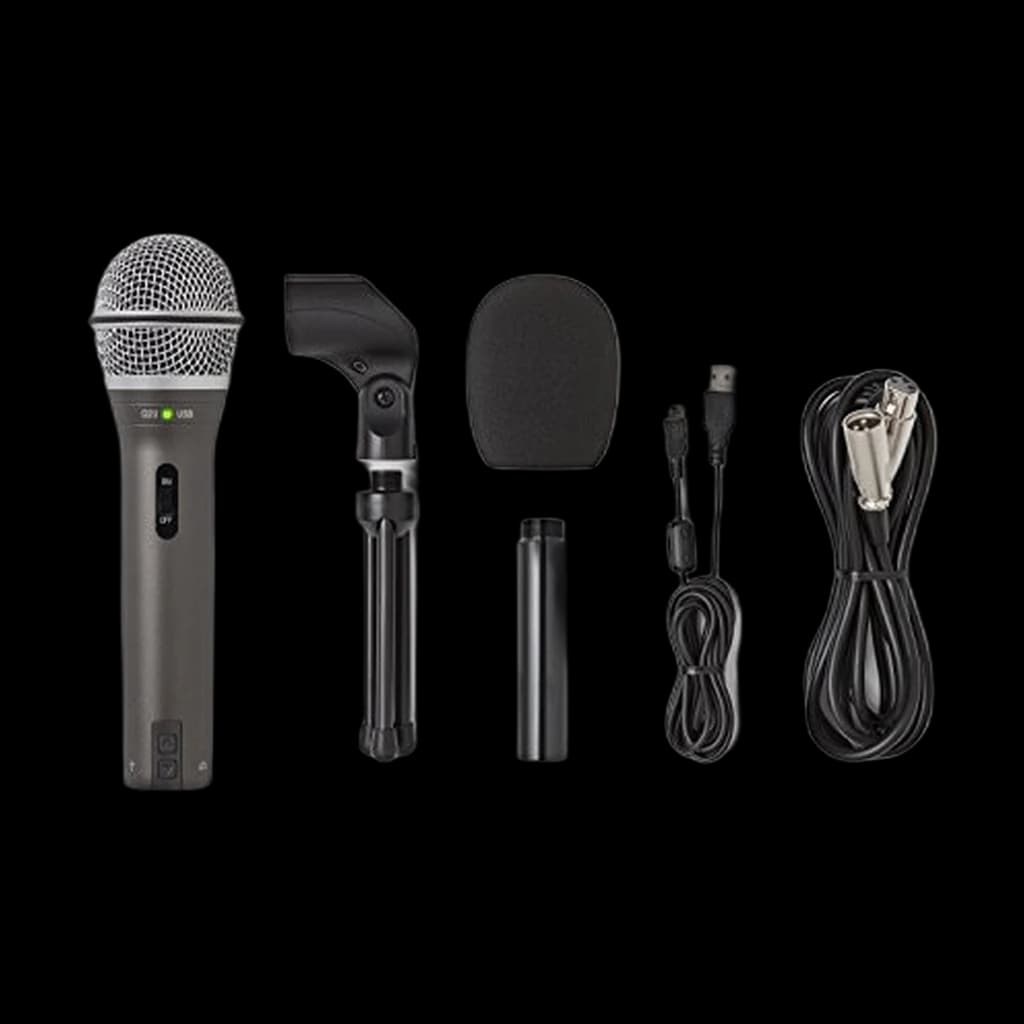 #5 Owner rating | |
|---|---|---|---|---|---|
| Price | $299Buy on Amazon | $190Buy on Amazon | $168Buy on Amazon | $134.99Buy on Amazon | $79.99Buy on Amazon |
| Verdict | Hybrid USB/XLR dynamic - meetings and podcasting in one mic | Broadcast-tuned dynamic with onboard APHEX processing | Studio condenser for treated rooms and voiceover | The Elgato Wave:3 MK.2 is the current revision of the Wave:3 USB condenser mic, with onboard capacitive mute and Wave Link mixing software for calls and streaming. | The long-running budget hybrid pick - dynamic plus USB plus XLR |
| Buyer sentiment | Quality Sound Quality Ease Of Use USB Connectivity Buyers praise quality, sound quality, ease of use and usb connectivity. Mixed feedback on functionality and value for money. Based on 316 user mentions | Sound Quality Quality Value for money Ease Of Use Buyers praise sound quality, quality, value for money and ease of use. Mixed feedback on functionality and usb connectivity. Based on 345 user mentions | Quality Sound Quality Ease Of Use Noise Level Stability Buyers praise quality, sound quality, ease of use and noise level. Mixed feedback on compatibility and value for money. Some flag stability. Based on 219 user mentions | Quality Sound Quality Value for money Ease Of Use Buyers praise quality, sound quality, value for money and ease of use. Mixed feedback on reliability and software. Based on 865 user mentions | Sound Quality Quality Value for money Connectivity Durability Buyers praise sound quality, quality, value for money and connectivity. Mixed feedback on reliability and background noise. Some flag durability. Based on 1,391 user mentions |
| Specs |
|
|
|
|
|
| Pros |
|
|
|
|
|
| Cons |
|
|
|
|
|
* Prices checked Oct 10, 2026 and may vary. Check the latest price on Amazon.
We research — never hands-on. How we research →
Key Takeaways
The 7 best USB microphones for remote workers in 2026 - Shure MV7+ wins overall, Rode PodMic USB for podcast-first, Samson Q2U budget hybrid. Plus the dynamic vs condenser mistake most buyers make.
As an Amazon Associate I earn from qualifying purchases. Product prices and availability are subject to change.
A USB microphone is the single biggest audio upgrade you can make to a remote-work setup. It is also one of the easiest to get wrong. Pick the wrong type for your room and the upgrade sounds worse than the laptop's built-in mic - because suddenly you're broadcasting your keyboard, your HVAC, and the dog two rooms over with full studio clarity.
This guide cuts through that. We researched the current top picks across Wirecutter's 2025 USB mic review, RTINGS-adjacent writeups from MusicRadar and TechCrunch, and the long-running r/podcasting and r/HomeOffice consensus threads. We then cross-referenced polar pattern guidance from Shure and the Audio Engineering Society. Seven mics made the cut.
Decide in 30 seconds
| If you... | Pick |
|---|---|
| Want one mic that does meetings and podcasting equally well | Shure MV7+ |
| Are podcast-first and want broadcast warmth | Rode PodMic USB |
| Have a treated room and want studio-grade detail | Rode NT-USB+ |
| Stream and want multi-source audio routing | Elgato Wave:3 |
| Want flexible polar patterns plus RGB | HyperX QuadCast 2 S |
| Need USB plus XLR upgrade path under $80 | Samson Q2U |
| Want the cheapest real upgrade from a laptop mic | FIFINE K669B |
How we picked
Every mic on this list had to clear three bars: a 4.4+ star aggregate rating across a meaningful sample of long-term owners, a polar pattern and capsule type that matches its target use case, and durable construction that has survived 12+ months of daily owner reports without USB connector failure (a known plague of cheap clones).
We also checked Shure's published polar pattern data to confirm each cardioid mic has the off-axis rejection that actually matters in untreated home offices. Cardioid dynamics reject sound from 180 degrees off-axis by approximately 25 dB - that is the entire reason they outperform condensers in noisy rooms regardless of price tier.
1. Best Overall: Shure MV7+
Buy on Amazon · $299The Shure MV7+ is the rare mic that genuinely does two jobs well. For meetings, the Auto Level Mode rides gain in real time so your voice stays consistent whether you lean into the mic for an emphasized point or sit back to read your notes. For podcasting, the broadcast-tuned cardioid dynamic capsule has the same proximity-effect warmth radio hosts have been using for decades, and you can switch from USB to XLR the day you decide to add a real audio interface.
The trade-offs are price and positioning. At $279 it is a real commitment, and like every dynamic mic it needs to be 3 to 6 inches from your mouth to sound right. Plan to budget another $40-80 for a boom arm or you will not hear the upgrade.
Specs: Dynamic cardioid. USB-C plus XLR. 24-bit/48kHz. 50 Hz - 16 kHz. 3.5mm headphone output.
- Good for: Anyone who runs meetings 5+ hours a week and might podcast or record YouTube voiceover.
- Not good for: Buyers who want a desk-standalone mic without a boom arm, or anyone whose use case is purely casual calls.
2. Best Podcast-First: Rode PodMic USB
Buy on Amazon · $190The Rode PodMic USB is the dedicated podcasting answer. The dynamic broadcast capsule has richer proximity-effect warmth on close-mic positioning than the MV7+, and Rode's onboard APHEX Aural Exciter and Big Bottom processing add broadcast polish without any external software.
Where it gives ground to the MV7+ is meeting-mode convenience - there is no Auto Level equivalent, so if you lean back during a Zoom call your level drops noticeably. The all-metal housing is also heavier than the MV7+, which means you want a sturdier boom arm than the cheap clip-on kind.
Specs: Dynamic cardioid. USB-C plus XLR. 24-bit/48kHz. 20 Hz - 20 kHz. 3.5mm headphone output.
- Good for: Podcast hosts and serious YouTube voiceover work, especially anyone planning to upgrade to a Rode interface like the Caster Pro 2.
- Not good for: Meeting-first users who never adjust mic position during calls.
3. Best Studio Condenser: Rode NT-USB+
Buy on Amazon · $168The Rode NT-USB+ is the right answer if you have a treated room or a quiet, soft-furnished home office. The 24-bit/48kHz studio condenser capsule pulls noticeably more detail out of your voice than any dynamic in the lineup - the difference is real, especially for voiceover and audiobook work where richness matters more than aggressive room rejection.
The catch is the catch with every condenser - that same sensitivity captures keyboard clicks, laptop fans, and HVAC rumble. In an untreated room, the NT-USB+ sounds worse than a dynamic costing half as much. Know your room before you buy.
Specs: Cardioid condenser. USB-C only. 24-bit/48kHz. 20 Hz - 20 kHz. 3.5mm headphone output.
- Good for: Voiceover artists, audiobook narrators, anyone in a properly treated home studio.
- Not good for: Open-plan offices, shared rooms, anyone with a mechanical keyboard.
4. Best for Streamers: Elgato Wave:3
The Elgato Wave wins on software. Elgato's free Wave Link app creates two independent mixes and routes up to 8 audio sources - your mic, your game, Discord, your Spotify, your alert sounds - so your stream and your headphones can hear different things. That is a feature you will not find on any other mic at this price.
The capsule itself is a competent cardioid condenser with Elgato's Clipguard tech that makes it nearly impossible to distort even on loud peaks. The capacitive tap-to-mute on top of the mic is the fastest mute toggle in the lineup. As with any condenser, untreated room noise comes through.
Specs: Cardioid condenser. USB-C only. 24-bit/96kHz. 70 Hz - 20 kHz. 3.5mm headphone output.
- Good for: Streamers, anyone running multi-app audio setups, video creators with a quiet recording space.
- Not good for: Heavily noisy rooms, anyone who only needs a basic call mic.
5. Best Versatile Condenser: HyperX QuadCast 2 S
The HyperX QuadCast 2 S brings four selectable polar patterns - cardioid, omnidirectional, stereo, bidirectional - which lets it flex from solo recording to in-person interview to full-room capture without changing mics. RGB lighting is fully customizable via HyperX Ngenuity if that matters to you, and the built-in shock mount eliminates desk thumps.
It is bigger on the desk than the Wave:3 or NT-USB+, and the cardioid pattern still picks up room noise like every condenser - but in cardioid mode and within 6 inches it sounds clean.
Specs: Cardioid/omni/stereo/bidirectional condenser. USB-C only. 24-bit/96kHz. 20 Hz - 20 kHz. 3.5mm headphone output.
- Good for: Gamers, hybrid streamer/podcaster setups, anyone who occasionally needs to capture a second person across the desk.
- Not good for: Tight desk setups, dedicated solo voice users (overkill).
6. Best Budget Hybrid: Samson Q2U
Buy on Amazon · $79.99The Samson Q2U has been the r/podcasting budget consensus answer for over a decade and the recommendation has held up. You get USB plus XLR connectivity, a cardioid dynamic capsule with the same off-axis rejection as the higher-end picks, and a full accessory kit (mic clip, desk stand, windscreen, USB cable, XLR cable) - all for around $70.
The build is plastic where the MV7+ and PodMic USB are metal, and the low-end is slightly thinner than either. But the basic acoustic profile is right, the room rejection is real, and the upgrade path to XLR is in the box.
Specs: Dynamic cardioid. USB-A plus XLR. 16-bit/48kHz. 50 Hz - 15 kHz. 3.5mm headphone output.
- Good for: First-time podcast buyers, anyone testing whether the dynamic-mic approach works for their room before spending $200+.
- Not good for: USB-C-only laptops without an adapter, anyone who needs the broadcast warmth of higher-tier dynamics.
7. Best Ultra-Budget: FIFINE K669B
The FIFINE K669B is the only sub-$40 USB mic on this list because it is the only sub-$40 USB mic that actually clears the laptop-mic-quality bar. The metal-bodied condenser sounds genuinely clean in a quiet room, has a useful onboard volume knob, and ships with a desktop tripod stand. Owner reports going back 5+ years confirm it survives daily use without USB connector failure - a real concern at this price.
The trade-offs are predictable: condenser sensitivity is the worst case for untreated rooms, and the USB-A connector is dated for modern laptops. If you have a USB-C-only machine, plan for an adapter.
Specs: Cardioid condenser. USB-A only. 16-bit/44.1kHz/48kHz. 30 Hz - 16 kHz. No headphone output.
- Good for: Students, anyone testing whether a USB mic upgrade is worth it before committing real money.
- Not good for: Noisy rooms, anyone who needs zero-latency monitoring through the mic itself.
Setting up the mic correctly
A mic alone does not fix call audio. The research consensus from Shure, the Audio Engineering Society, and every long-running mic forum agrees on three rules:
- Distance: 3 to 6 inches from your mouth. Every dynamic mic on this list is engineered for that range. Two feet across the desk and the proximity-effect warmth disappears - you sound thin and distant.
- Off-axis: speak across the mic, not into the end. Side-address condensers (NT-USB+, Wave:3, K669B) capture from the side; end-address dynamics (MV7+, PodMic USB, Q2U) capture from the top. Position accordingly.
- Boom arm or stand, not desk-mounted. A boom arm decouples the mic from desk thumps and lets you place it correctly without your monitor in the way.
A $40 boom arm plus a $150 mic outperforms a $300 mic on a desk stand every time.
Frequently asked questions
Dynamic or condenser - which one? Dynamic for untreated home offices, shared rooms, and any space with HVAC, mechanical keyboards, or street noise. Condenser only for properly treated rooms or quiet, soft-furnished home studios.
Do I need XLR if I'm just using USB? Not today. But if there's any chance you might podcast or record professionally in the next 18 months, the hybrid USB/XLR mics (MV7+, PodMic USB, Q2U) save you from buying a second mic. The price difference is small.
Why does my expensive USB mic sound worse than a cheap headset? Almost always positioning. Headsets sit close to your mouth automatically; desktop mics need to be intentionally placed 3 to 6 inches from your mouth on a boom arm. Distance is the single biggest factor in how a mic sounds.
Is the Blue Yeti still a good pick? The Blue Yeti X is fine but is no longer the default recommendation it once was. Condenser sensitivity in untreated rooms is the recurring complaint - dynamic mics like the MV7+ and PodMic USB have largely taken its place at the recommendation tier.
Will a USB mic make Zoom calls sound better? Yes, dramatically - but Zoom's audio compression is aggressive. The improvement is most noticeable to people listening to you. Pair the mic with the right headphones (closed-back over-ear for monitoring) for the full upgrade.
What about the Rode NT-USB Mini? Good mic, very compact, half the detail of the NT-USB+. If desk space is the constraint, the Mini is a reasonable pick. Otherwise the NT-USB+ is the better buy.
Do I need a pop filter? The MV7+, PodMic USB, NT-USB+, and Wave:3 have built-in or effectively built-in plosive protection. The Q2U includes a windscreen that does the job. The K669B benefits from an external pop filter if you talk close.
Bottom line
For most full-time remote workers, the right answer is the Shure MV7+ if you take meetings or podcasting seriously, or the Samson Q2U as the budget hybrid that has been the consensus first-mic recommendation for over a decade. Pair either with a boom arm and you have a setup that sounds genuinely professional - the kind of voice quality clients and listeners notice without being able to articulate why.
For the desk and ergonomics setup that pairs with your new mic, see our guide on the best laptop stands for WFH 2026. For the headphones to monitor through, see our best headphones for Zoom meetings guide.
Your next step
Build the full call setup around the mic.
Hilly Shore Labs
Editorial TeamWFH Lounge is published by Hilly Shore Labs. Every recommendation is built by synthesizing ergonomic research, manufacturer specs, expert reviews from outlets like Wirecutter, RTINGS, and The Verge, and aggregated long-term owner sentiment from thousands of verified buyers.
All product reviews are independently researched. Our recommendations are based on ergonomic guidelines, manufacturer specifications, and verified buyer sentiment. See our methodology.