Best Cable Organizers for the Work Bag in 2026
Buy for elastic loops and a clamshell that opens flat, then keep the pouch permanently packed. The BAGSMART large organizer is the sensible purchase for most people; the Peak Design Tech Pouch is the genuine upgrade if cables are a daily part of your work rather than an occasional one.
Quick Answer
A cable organizer is about retrieval rather than tidiness — elastic loops that give every cable a fixed position matter far more than compartment count or brand. The Peak Design Tech Pouch is the best of them if you carry cables daily; the BAGSMART large organizer does the same core job for a fraction of the price. Whichever you buy, size it to the kit you actually carry and leave it permanently loaded in the bag.
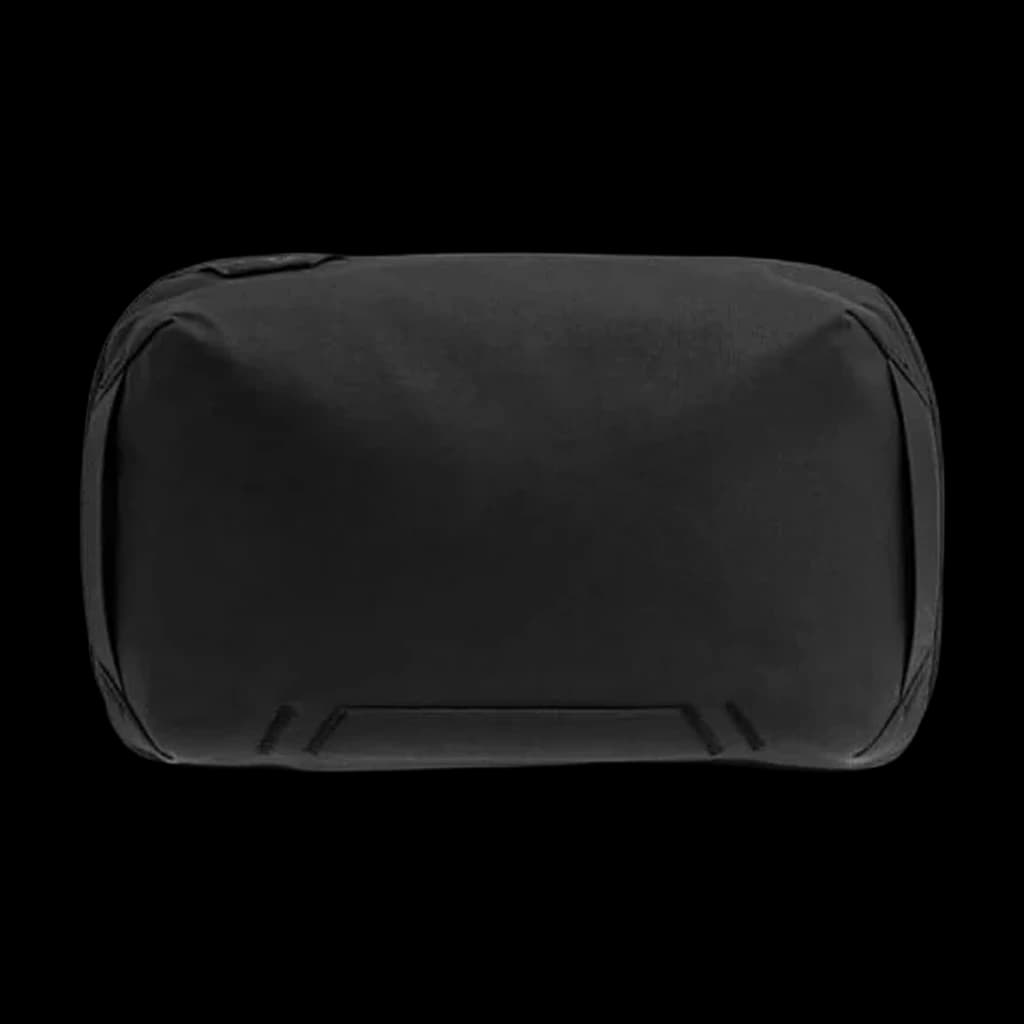 #1 4.7 | 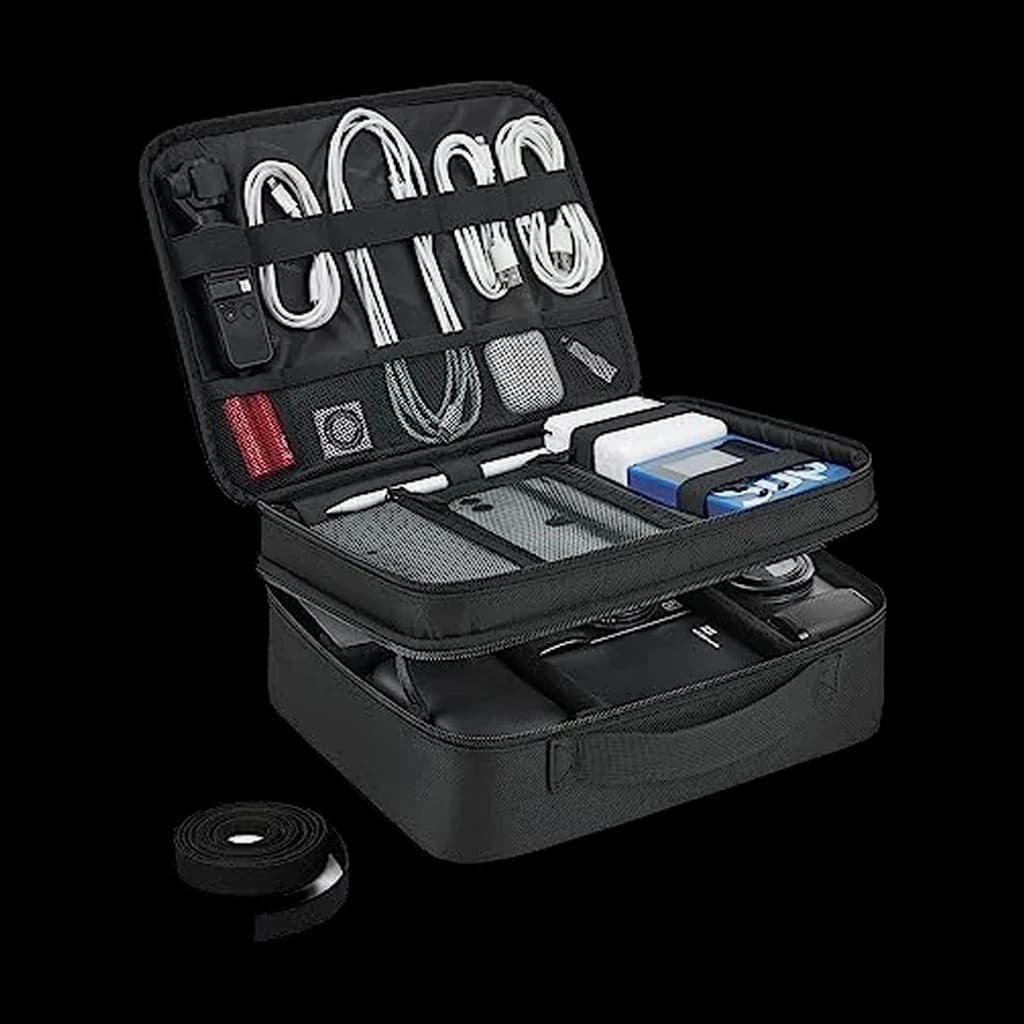 #2 4.6 | 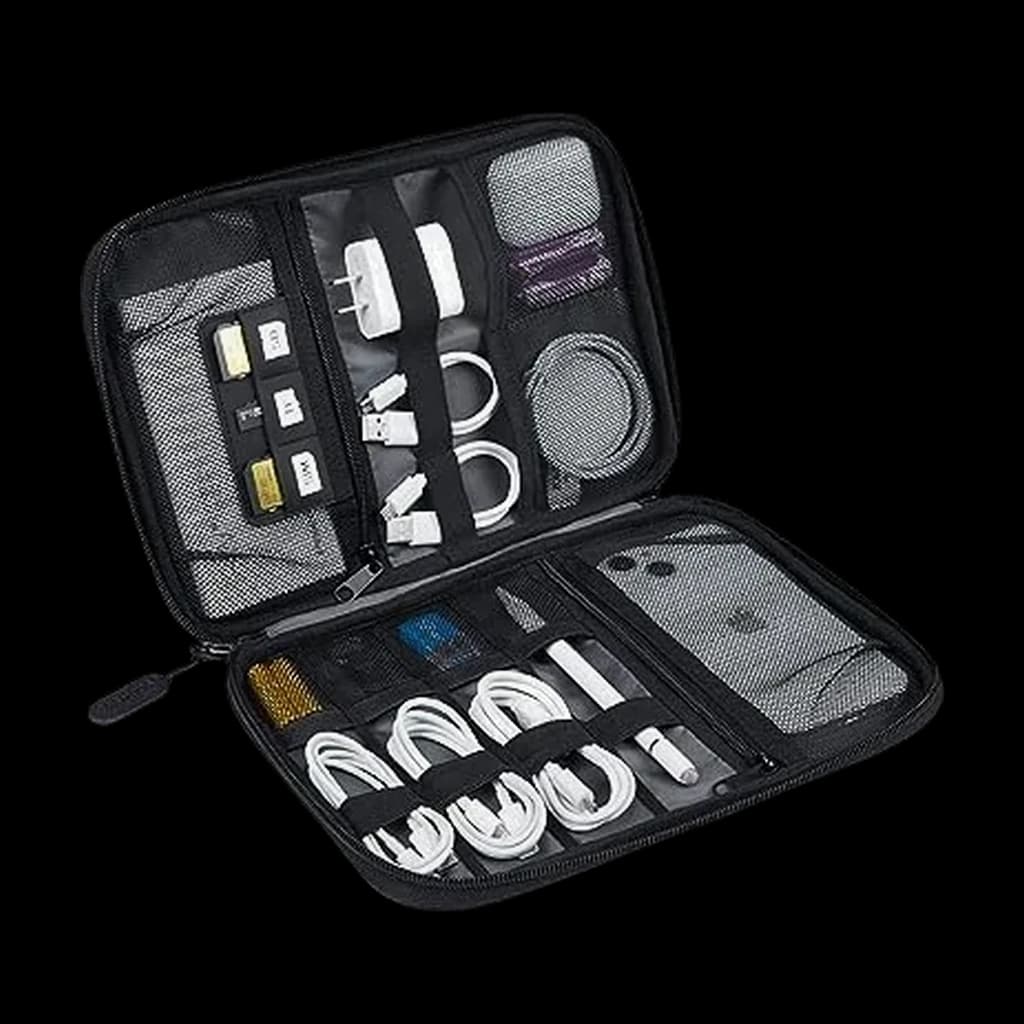 #3 4.7 | |
|---|---|---|---|
| Price | $59.95Not sold on Amazon right now | $21.99Buy on Amazon | $12.74Buy on Amazon |
| Verdict | The upgrade worth paying for if cables are a daily part of your work — origami internal pockets hold far more than the exterior suggests, with a cable pass-through for charging in the bag. | The pick when the kit includes a power bank and a travel router rather than just cables — an adjustable divider stops heavy items crushing light ones. | The sensible purchase for most people — proper elastic loops in the sizes cables actually come in, a flat clamshell, and room for a laptop charger. |
| Buyer sentiment | Size Design Organization Portability Value for money Buyers praise size, design, organization and portability. Some flag value for money. Based on 220 user mentions | Capacity Storage Capacity Portability Organization Buyers praise capacity, storage capacity, portability and organization. Mixed feedback on size and durability. Based on 300 user mentions | Quality Storage Capacity Organization Travel-Friendly Buyers praise quality, storage capacity, organization and travel-friendly. Mixed feedback on size and fit. Based on 3,406 user mentions |
| Opening | Clamshell | Clamshell | Clamshell |
| Pass-through | Yes | — | — |
| Material | Weatherproof recycled nylon | — | — |
| Divider | — | Adjustable | — |
| Handle | — | Yes | — |
| Loops | — | — | Multiple sizes |
| Fits charger | — | — | Yes |
| Pros |
|
|
|
| Cons |
|
|
|
* Prices checked Sep 4, 2026 and may vary. Check the latest price on Amazon.
We research — never hands-on. How we research →
Key Takeaways
The tech pouch is the cheapest fix for the most annoying travel problem: the cable you need, in a knot, four minutes before a call.
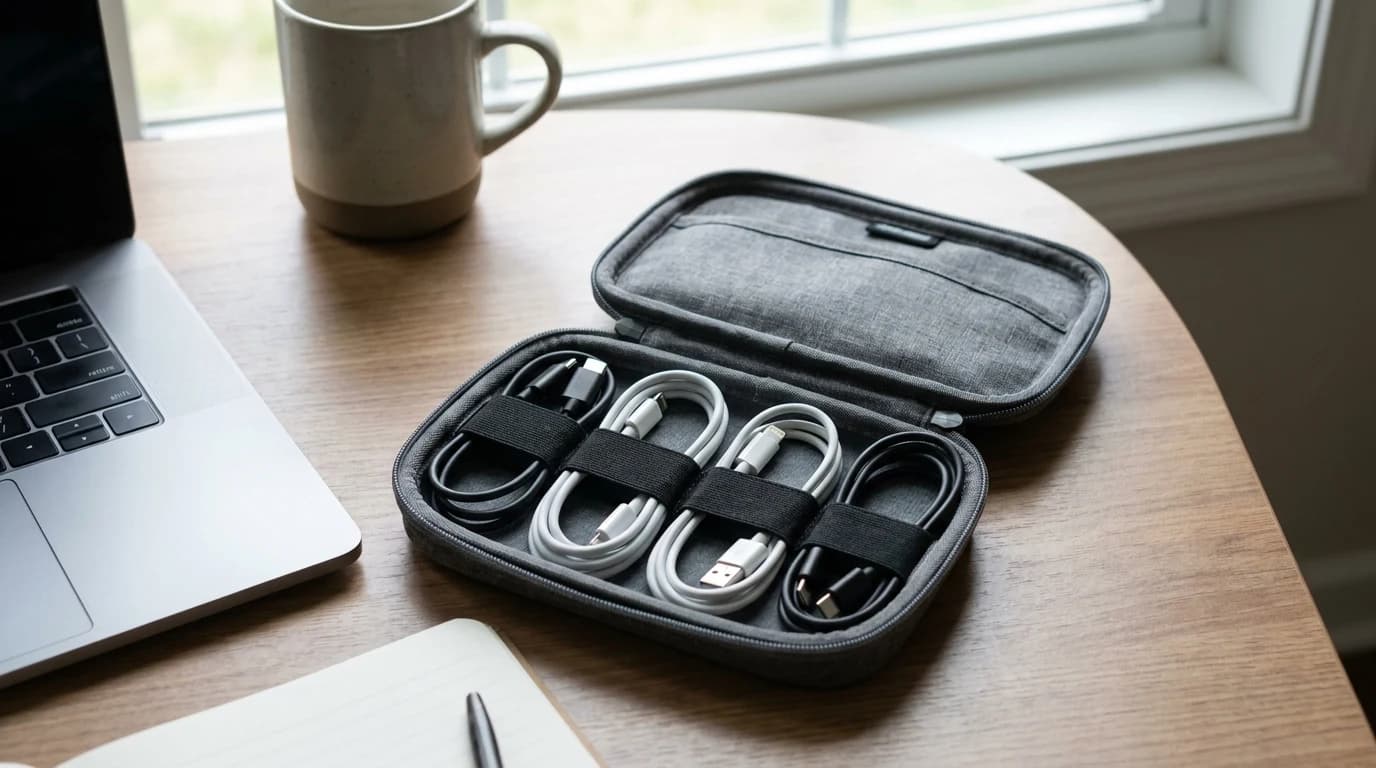
As an Amazon Associate I earn from qualifying purchases. Product prices and availability are subject to change.
The tech pouch is the least interesting purchase in this guide and the one that changes the most days. Not because organisation is virtuous, but because of a specific failure: the cable you need is at the bottom of a bag, in a knot, four minutes before a call.
Everything else in a work bag has a home. Cables do not, unless you give them one.
Key Takeaways
- The win is retrieval, not tidiness. A pouch you have to empty to find anything has not solved the problem.
- One pouch that always lives in the bag beats a better pouch you repack per trip.
- Elastic loops matter more than compartments — they hold a cable in a known place.
- Size it to the kit you actually carry, which is usually smaller than the pouch people buy.
What separates a good one
| Feature | What it does | How much it matters |
|---|---|---|
| Elastic loops | Each cable has a fixed position | The single biggest factor |
| Clamshell opening | Whole contents visible at once | High |
| Semi-rigid shell | Stops the bag crushing connectors | Medium |
| Internal divider | Separates a tablet or power bank | Medium |
| Water resistance | Protects against a bag-level spill | Low, but cheap to have |
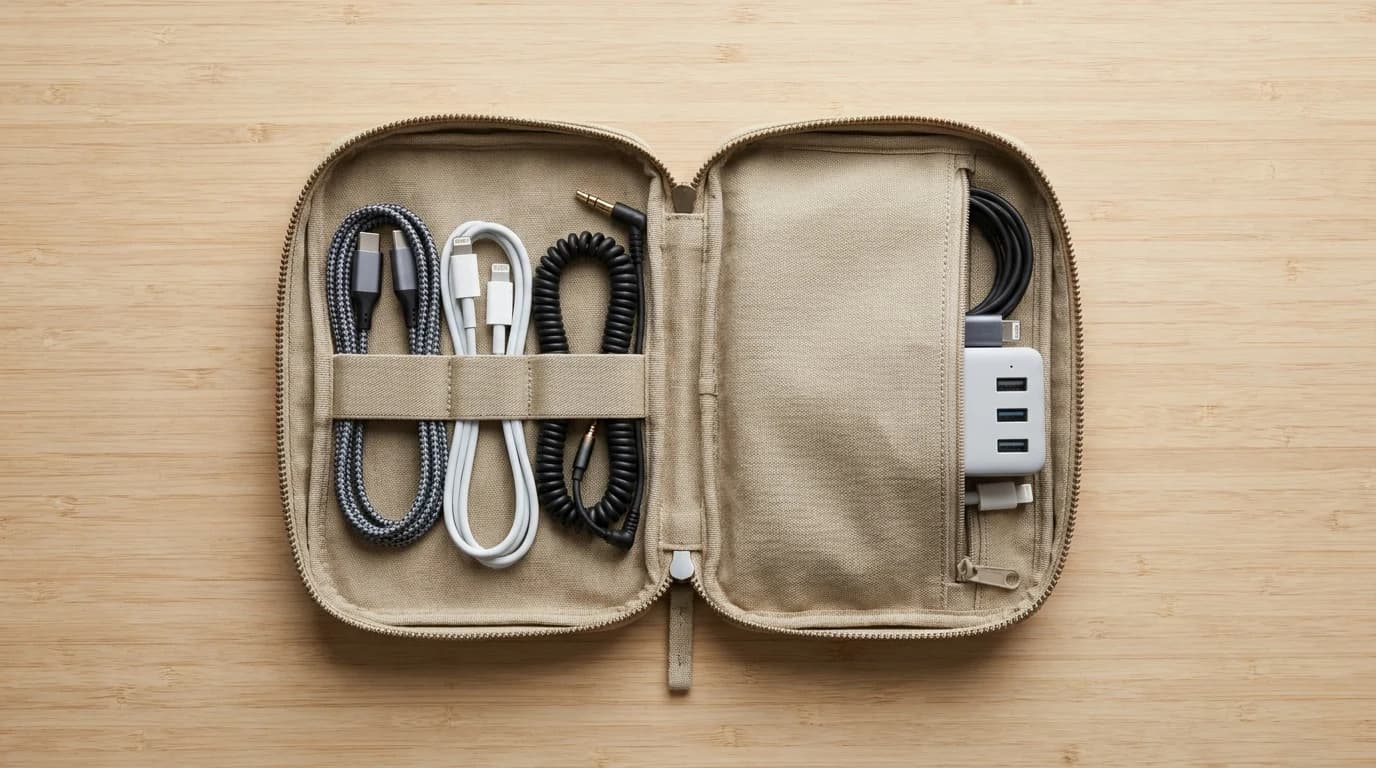
Rule of thumb: if you have to take three things out to find the fourth, the pouch is the wrong shape. A clamshell that opens flat and shows you everything is the whole design goal.
The picks
Best overall: Peak Design Tech Pouch
The one worth the money if you carry cables daily rather than occasionally. Origami-style internal pockets expand to hold far more than the exterior suggests, everything stays upright and visible, and there is a cable pass-through so a power bank can charge a phone while both stay inside the pouch. It is the most expensive option here by a wide margin and the only one that feels designed rather than assembled.
Best value: BAGSMART large electronics organizer
Buy on Amazon · $12.74The volume-seller answer, and genuinely good. Elastic loops in the sizes cables actually come in, a flat clamshell, and enough room for a laptop charger alongside the small stuff. For most people this is the sensible purchase and the Peak Design is the upgrade they do not strictly need.
Best for bulkier kit: BAGSMART cable organizer with divider
Taller, with an adjustable internal divider and a carry handle. This is the pick when the kit includes a power bank, a travel router and a charger rather than just cables — the divider stops the heavy items crushing the light ones.
What to actually put in it
The things that earn their space:
- One cable per device type, not per device
- The charger, if it is small enough to live there permanently
- A short ethernet cable, which weighs almost nothing and rescues hotel rooms
- Spare earbud tips or a headphone adapter
The things that quietly bloat it:
- Duplicate cables "in case one fails" — a real failure is rare and a shop is usually nearer than you think
- Adapters for ports your current laptop does not have
- Old cables that came with devices you no longer own
- Full-size chargers when a shared multi-port one would cover everything
Pack it once and stop repacking it
The highest-value habit is leaving the pouch permanently loaded and permanently in the bag. Repacking per trip is how the ethernet cable gets left behind on the one trip that needed it. If a cable has to leave the pouch for home use, buy a second cable for home rather than borrowing from the kit.
Size down, not up
Most people buy a pouch one size larger than their kit and then fill it, which adds weight without adding capability. Lay out what you actually carry, then buy the pouch that just holds it. The constraint is the point.
The cable that is always missing
For work travel it is a short ethernet cable, closely followed by the right laptop charging cable at the right wattage. Both are cheap, both weigh very little, and both turn a bad hotel room into a working one.
The other fix is a label on each cable, because identical black chargers at different wattages are the reason the wrong one ends up in the bag. A label maker with laminated tape survives being coiled and uncoiled in a pouch.
What size cable organizer do I need?
Smaller than you think. Lay out the cables and chargers you genuinely carry — usually a laptop cable, a phone cable, headphones and a charger — and buy the pouch that just contains them. A larger pouch fills up with duplicates and old cables rather than useful additions.
Is an expensive tech pouch worth it?
If you travel monthly or carry cables every day, the better internal layout and faster retrieval are noticeable. For a few trips a year, a good budget organizer with proper elastic loops does the same job; the loops matter far more than the brand.
How do I stop cables tangling?
Give every cable a fixed elastic loop rather than a shared compartment, and coil it the same way each time. Tangling happens in open pockets where cables move against each other, not in loops where each one is held separately.
Hilly Shore Labs
Editorial TeamWFH Lounge is published by Hilly Shore Labs. Every recommendation is built by synthesizing ergonomic research, manufacturer specs, expert reviews from outlets like Wirecutter, RTINGS, and The Verge, and aggregated long-term owner sentiment from thousands of verified buyers.
All product reviews are independently researched. Our recommendations are based on ergonomic guidelines, manufacturer specifications, and verified buyer sentiment. See our methodology.