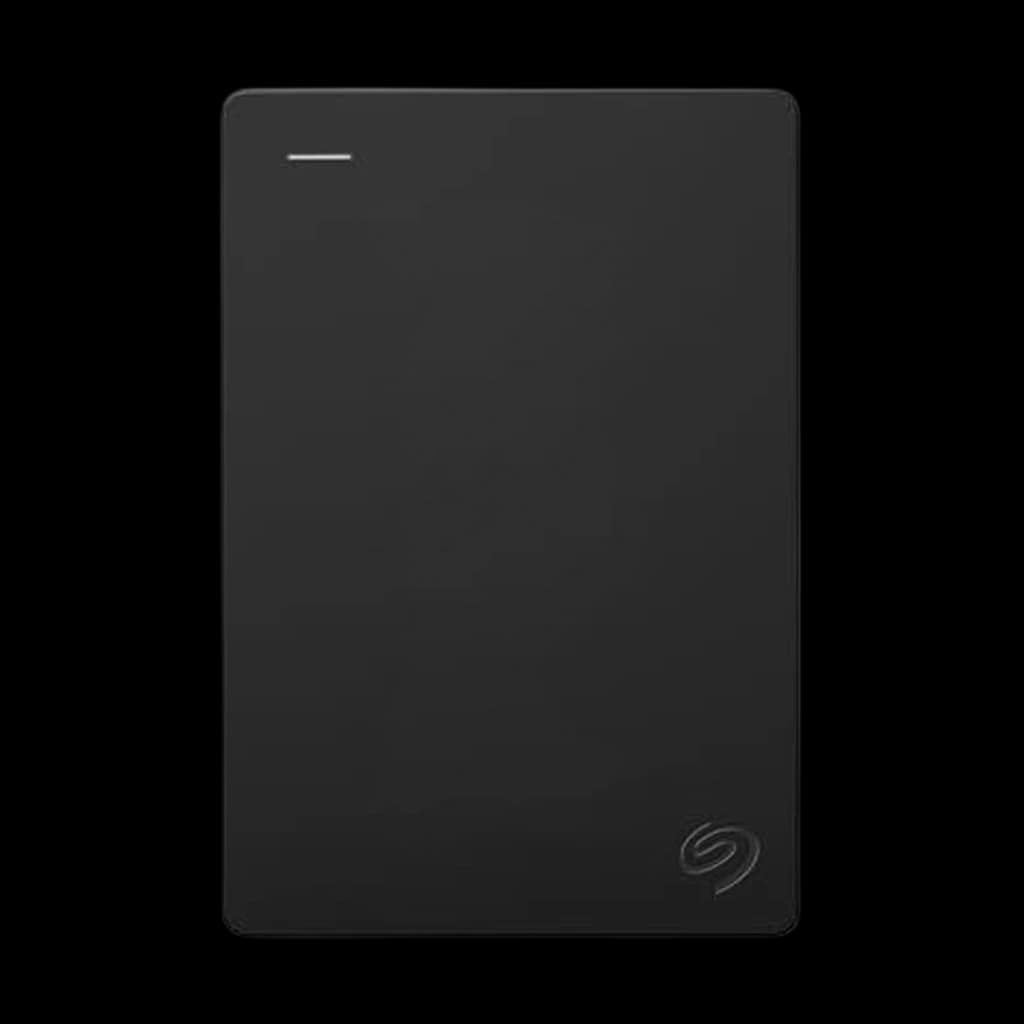
An external hard drive and an external SSD solve different problems, and buying the wrong one is the most common mistake in this category. An SSD is fast working storage - the disk you edit video from or run a project off. A hard drive is cheap bulk capacity, and its job is backup: the second copy that exists so a laptop failure is an inconvenience rather than a catastrophe. If you want speed, buy an SSD. If you want terabytes per dollar, buy what is on this page.
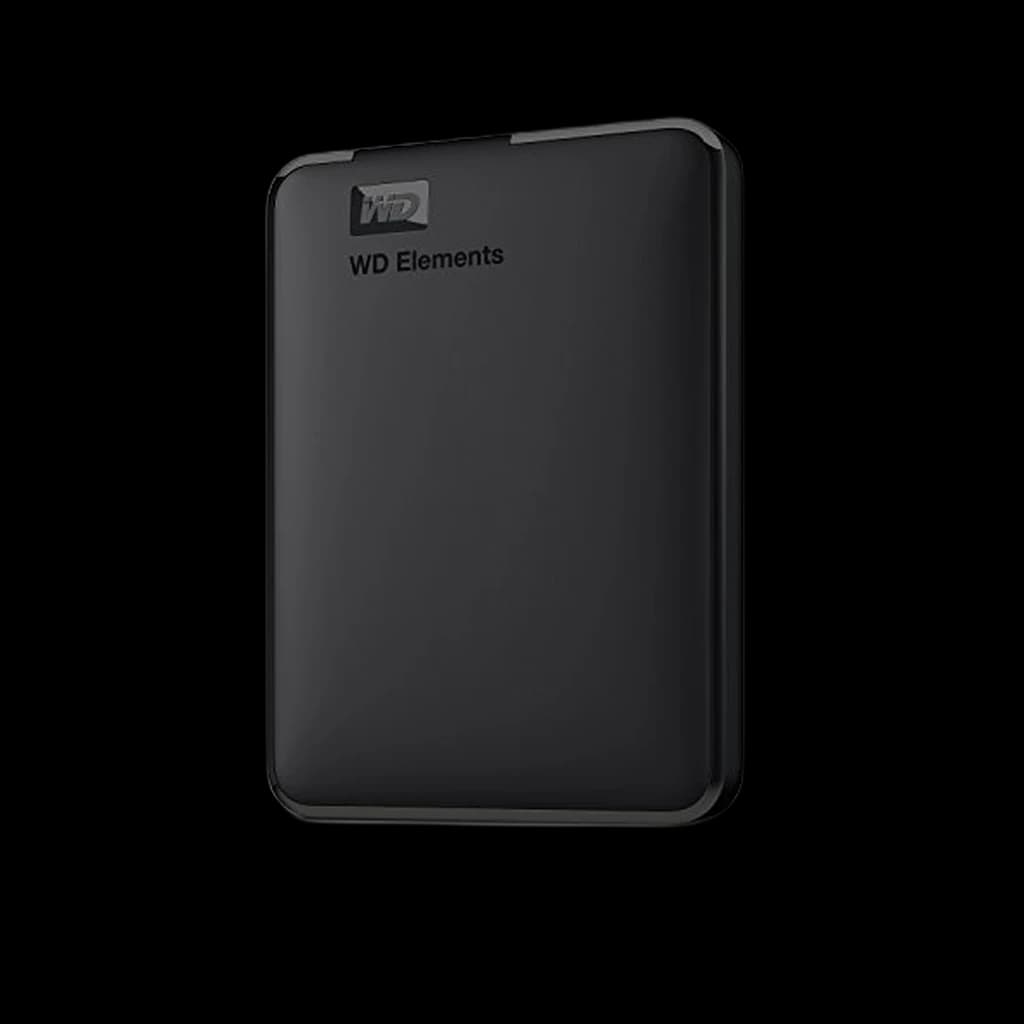
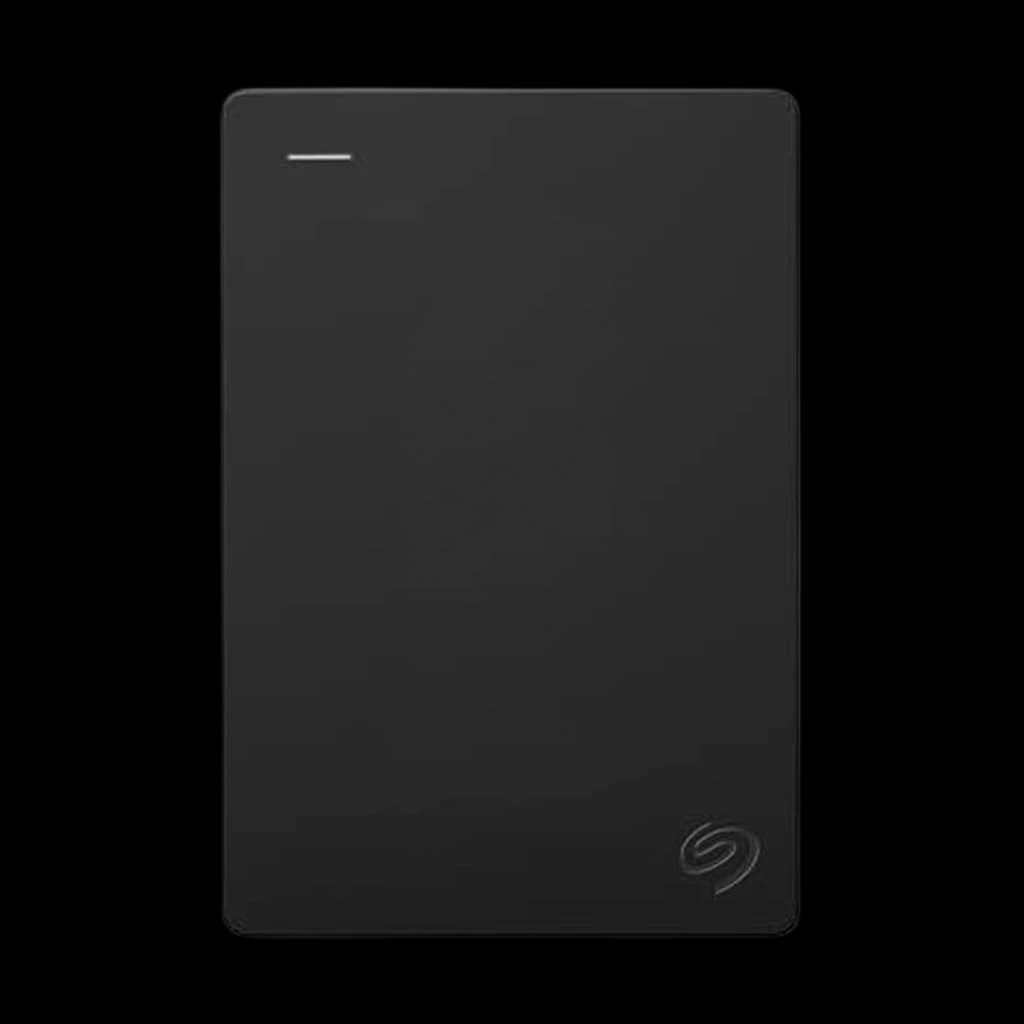
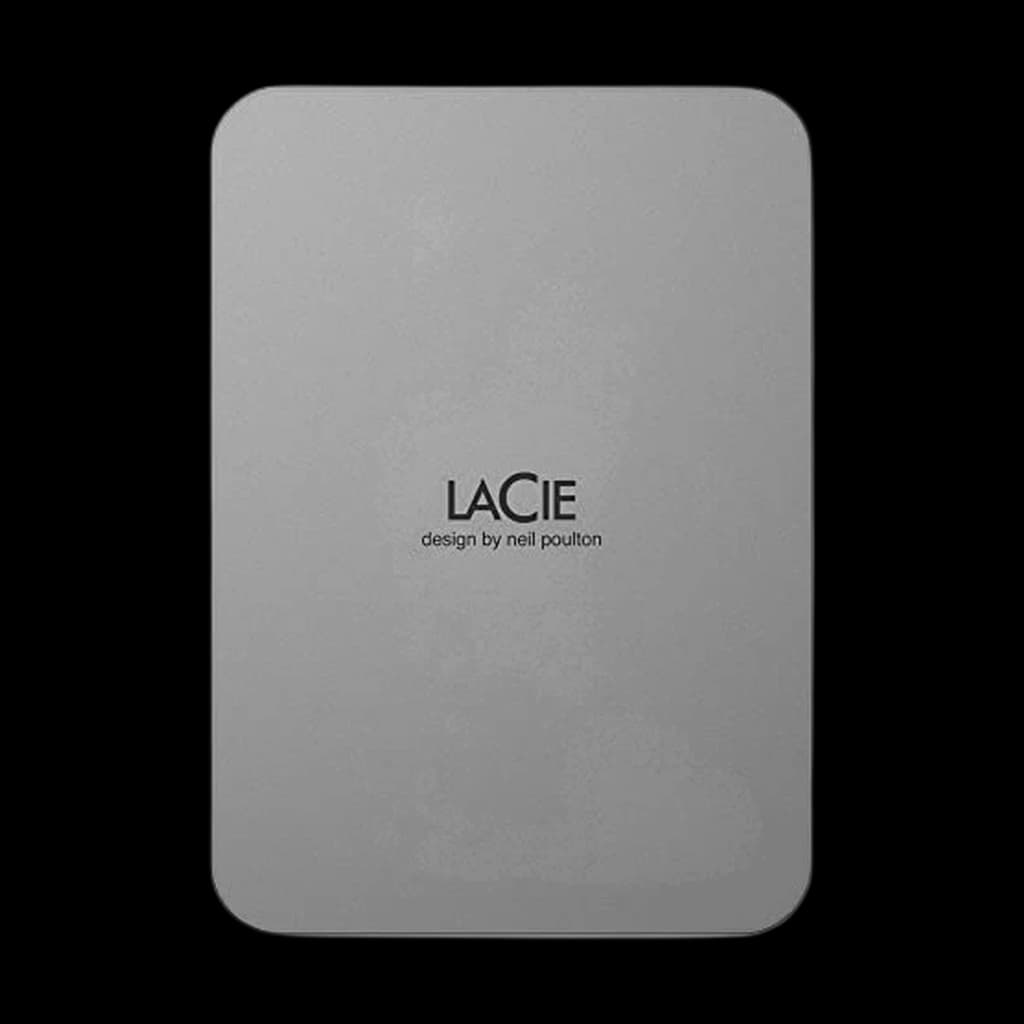
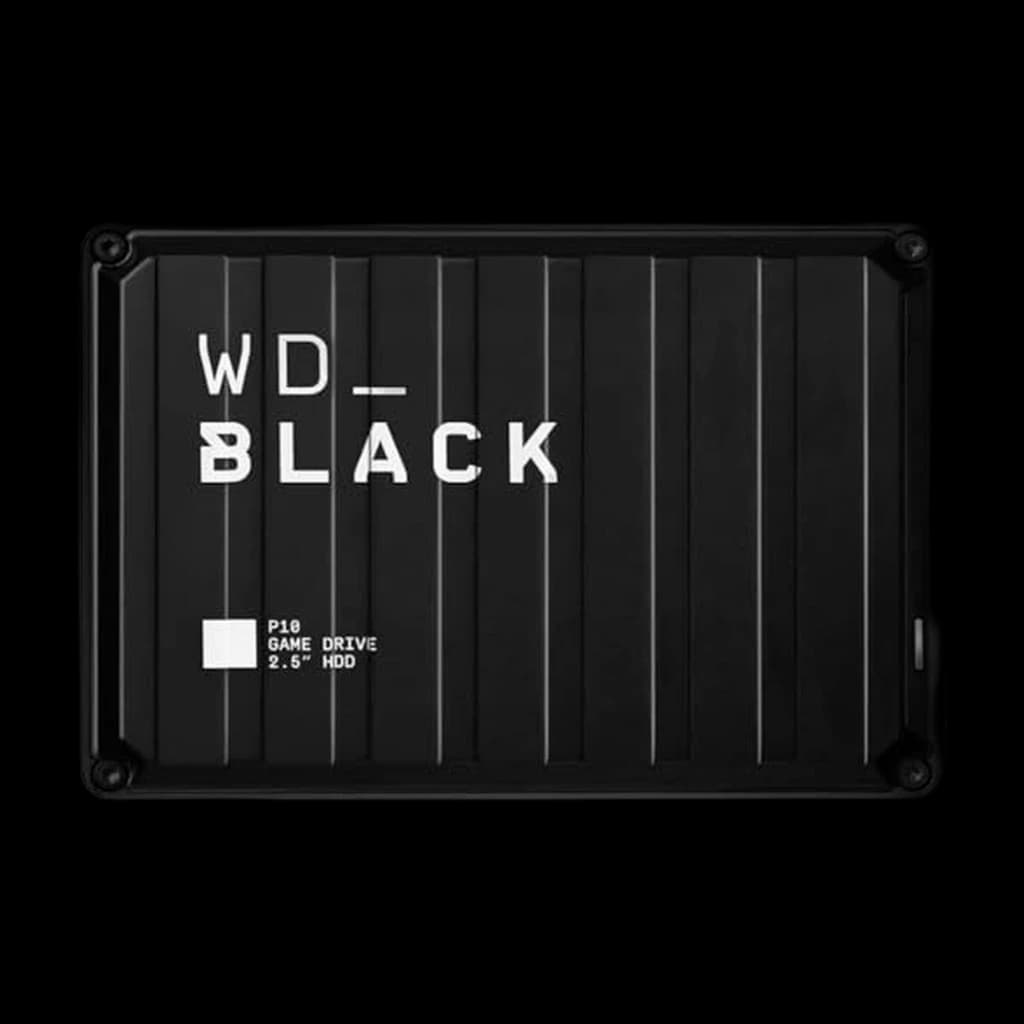
The first decision is portable versus desktop, and it is really a decision about power. A 2.5-inch portable drive runs from the USB cable alone - one cable, no adapter, goes in a bag. A 3.5-inch desktop drive needs a mains socket, but the larger mechanism is dramatically cheaper per terabyte and runs cooler. The Seagate 8TB desktop drive on this page costs less in total than the 6TB portables above it while holding a third more. If the drive is never going to leave your desk, that difference is free money.
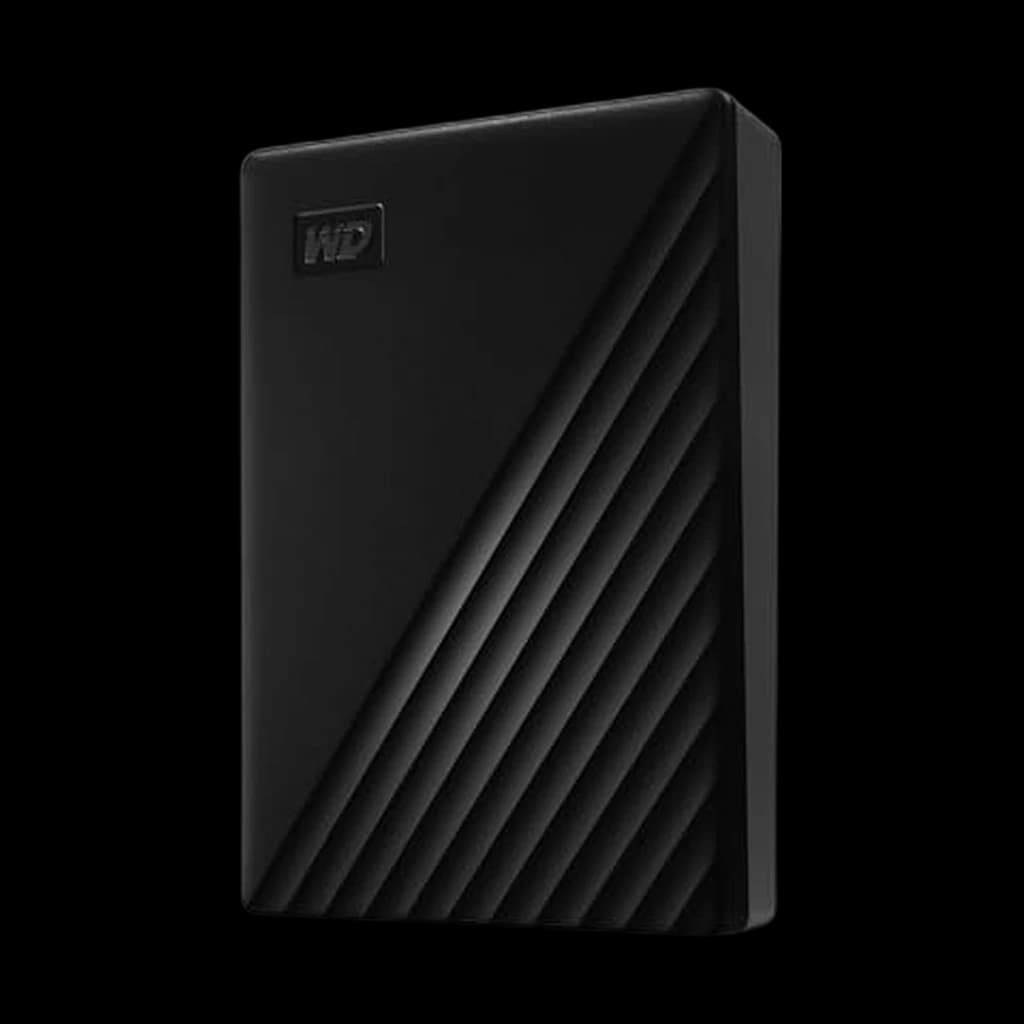
The second decision is whether you need encryption. A backup drive holds a complete copy of your working life, and it is the single easiest thing in a home office to lose or have stolen. Drives with hardware encryption and password protection - the WD My Passport here - cost a little more for a feature you will use exactly once, on the day it matters. For anyone handling client data under a contract, treat it as mandatory rather than optional.
A note on what we do not claim: we research these drives from manufacturer specifications and published documentation. We do not run sustained transfer benchmarks or failure testing, so where a speed or capacity figure is the manufacturer's, this page attributes it. Drive reliability in particular cannot be honestly assessed from a spec sheet - Backblaze's published failure statistics are the only large-scale public dataset worth consulting, and it is linked below.
 1
1