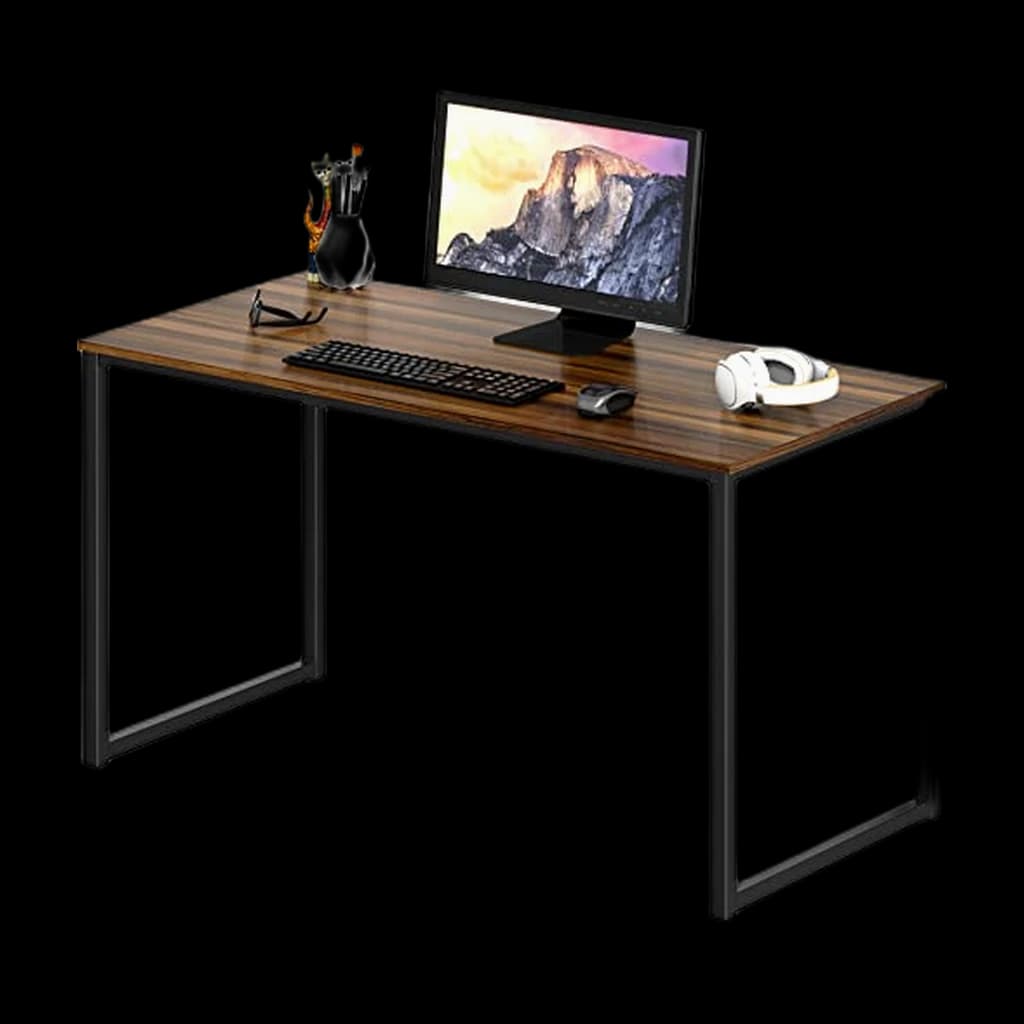
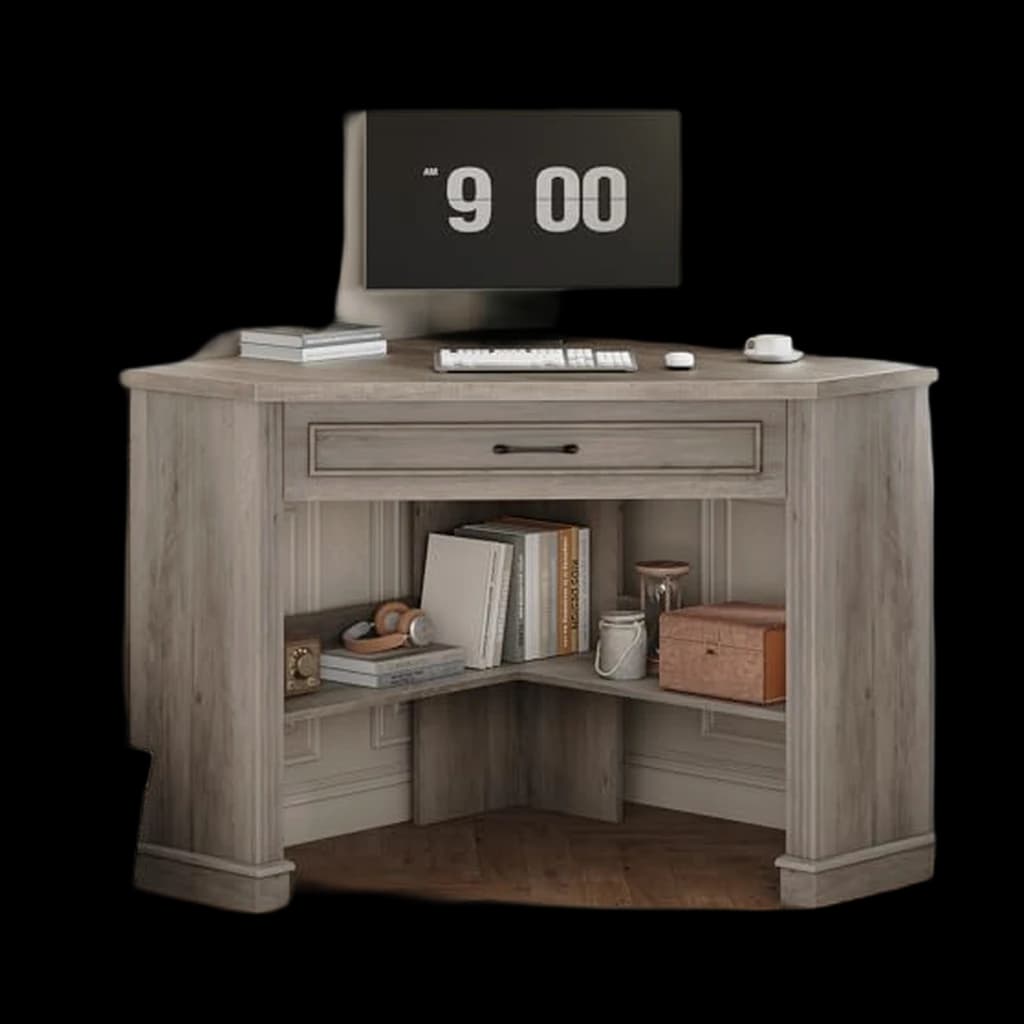
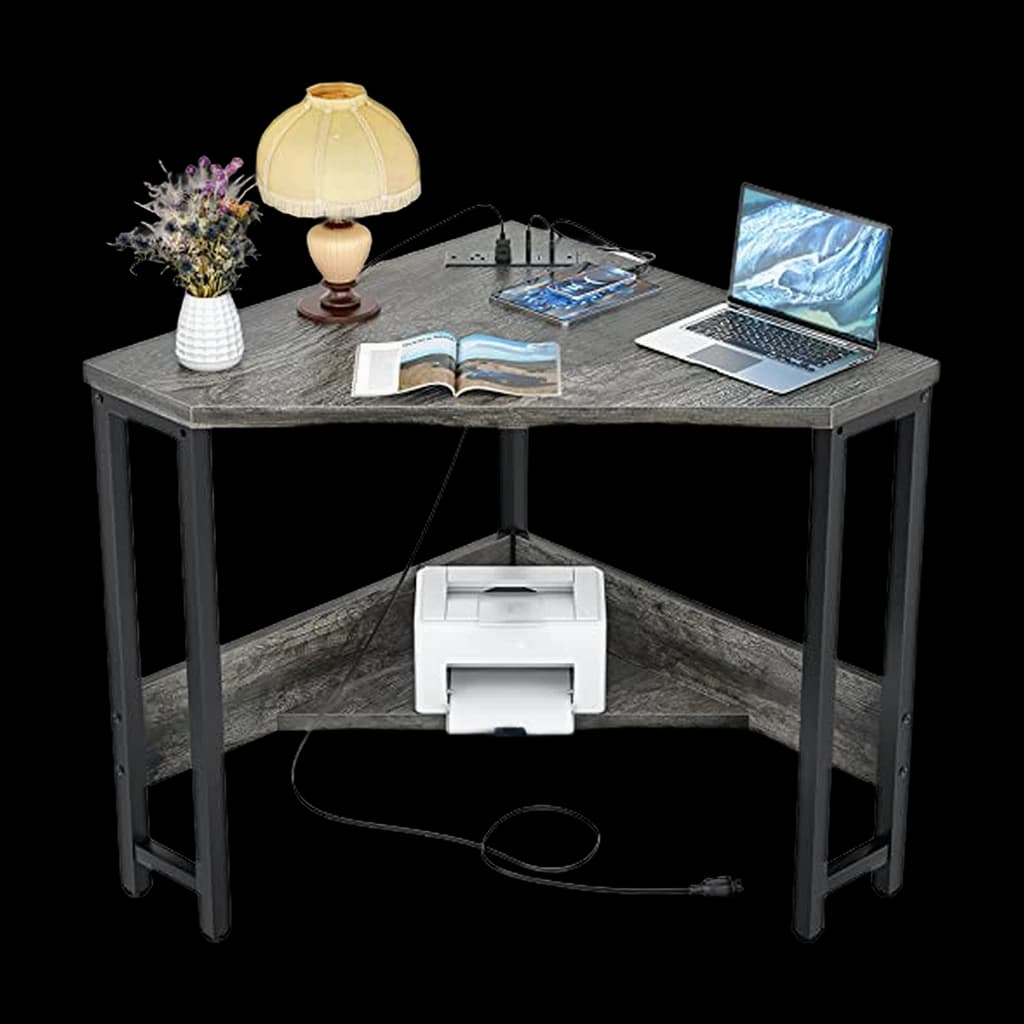
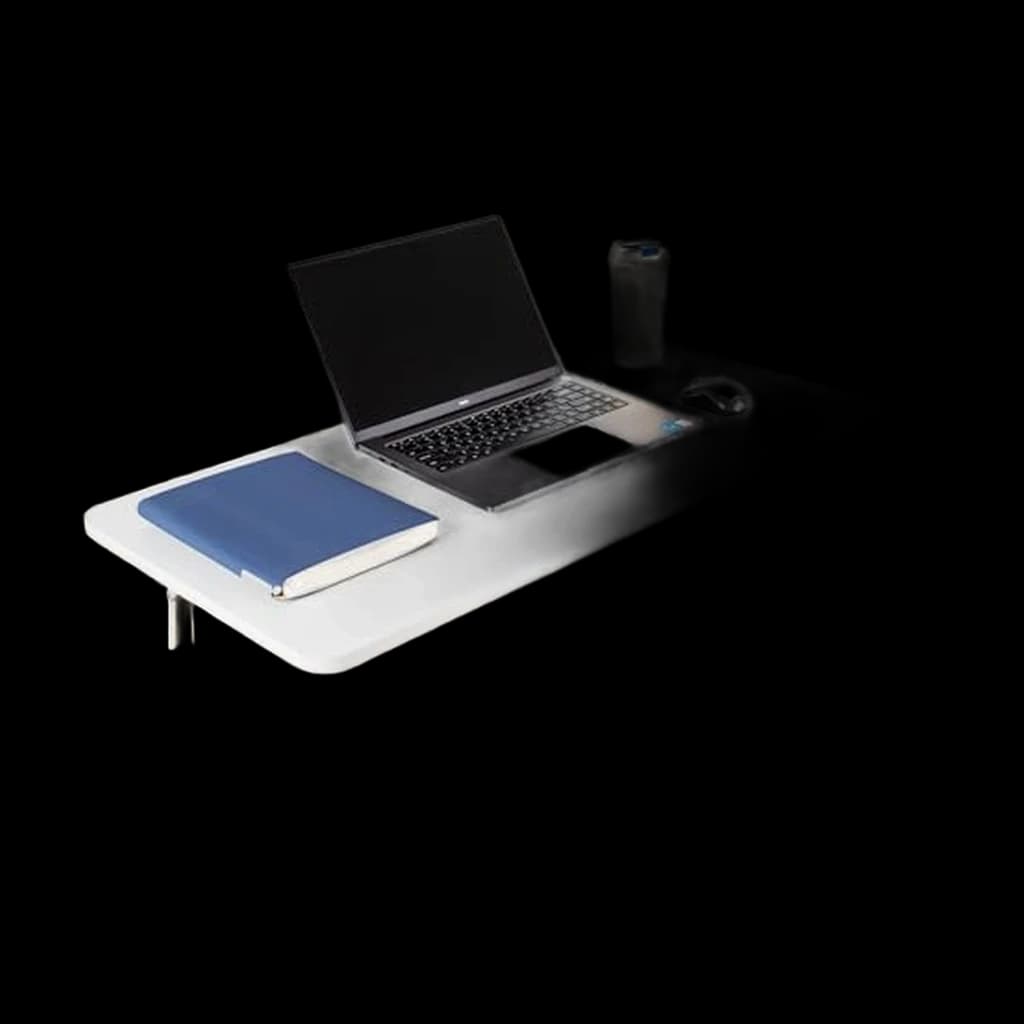
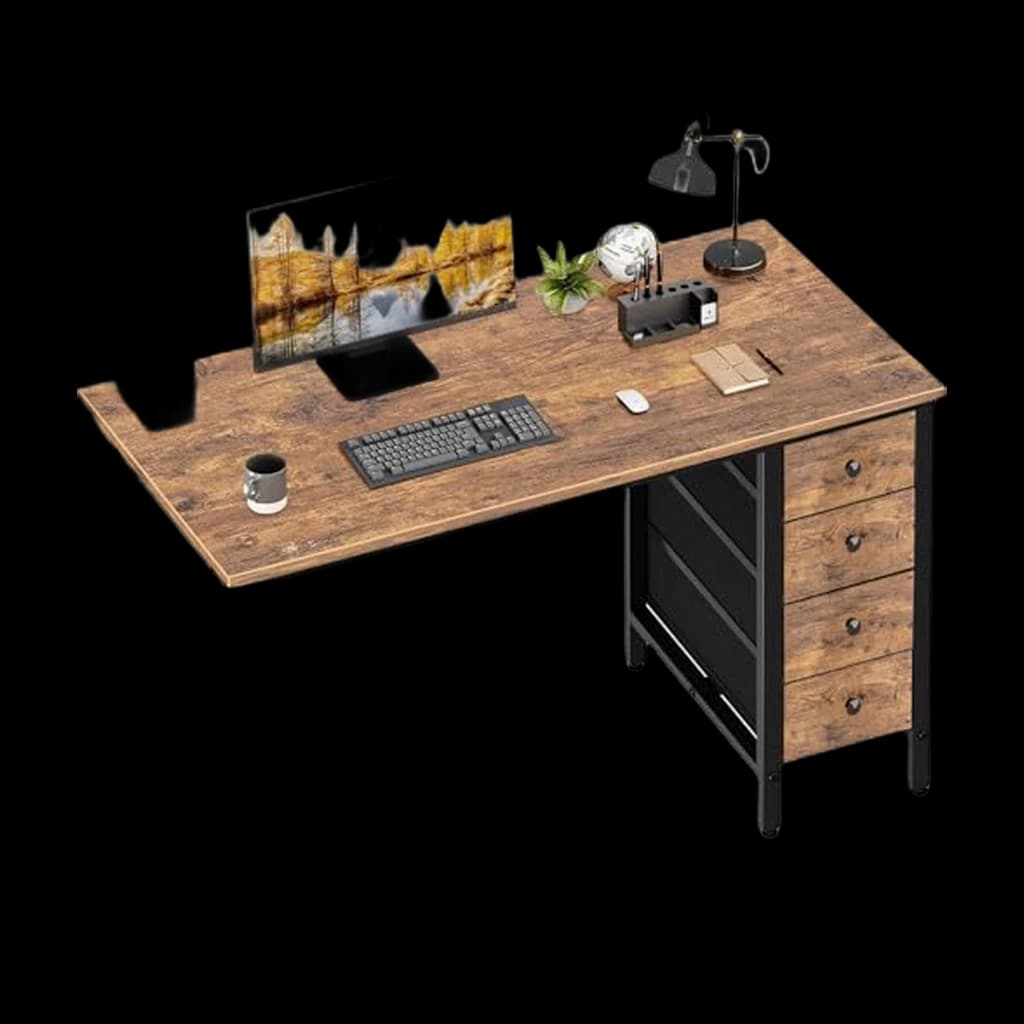
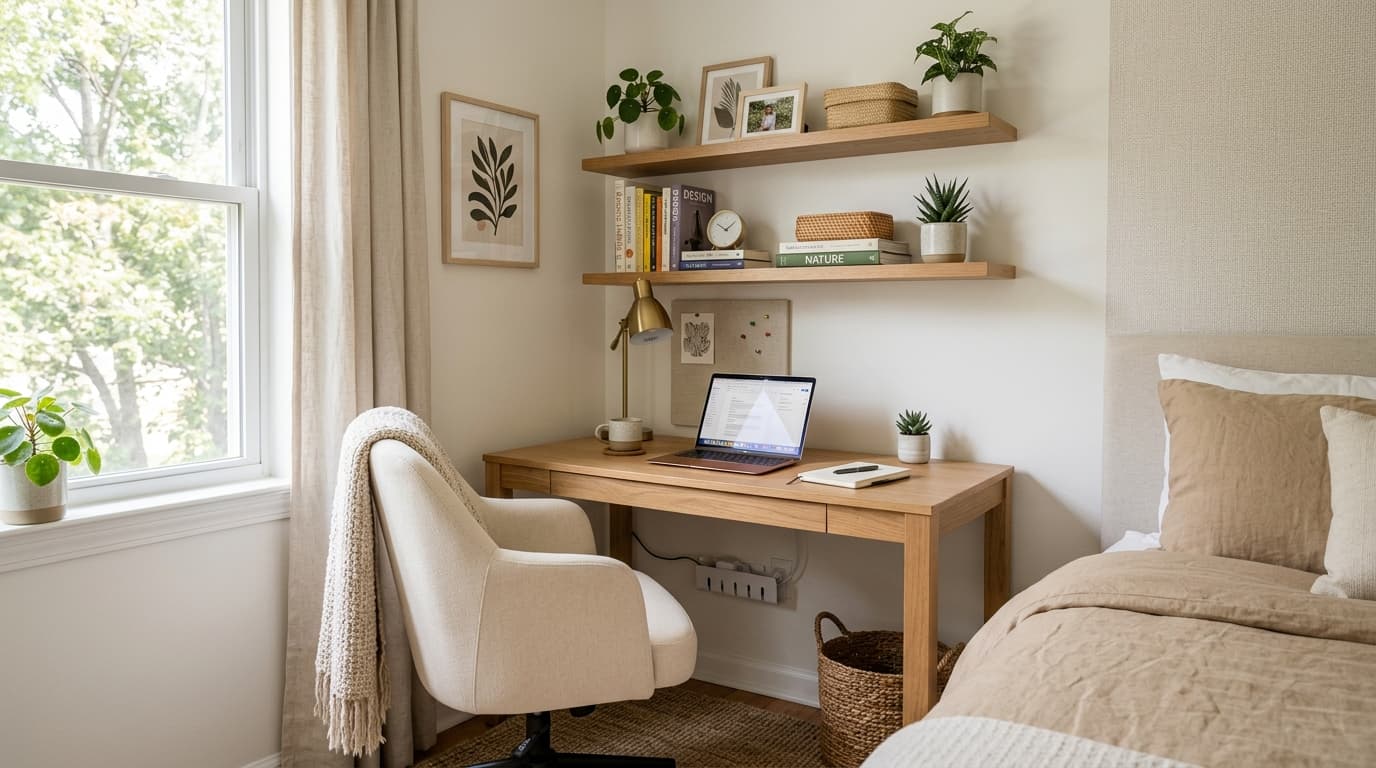
The first decision is not which desk - it is whether the desk gets to stay out. Cornell's workstation guidelines put the threshold at about an hour a day: above that, they say you should set up a proper ergonomic arrangement, which in practice means a stable surface at roughly 28 to 30 inches with the screen in front of you. A fold-down table you unfold for a two-hour stretch is fine. A fold-down table you unfold for eight hours, five days a week, is a permanent desk you are paying a convenience tax on every morning. If the room can spare 40 by 19 inches full-time, the fixed desks here are steadier, cheaper per inch of surface and more likely to get used.
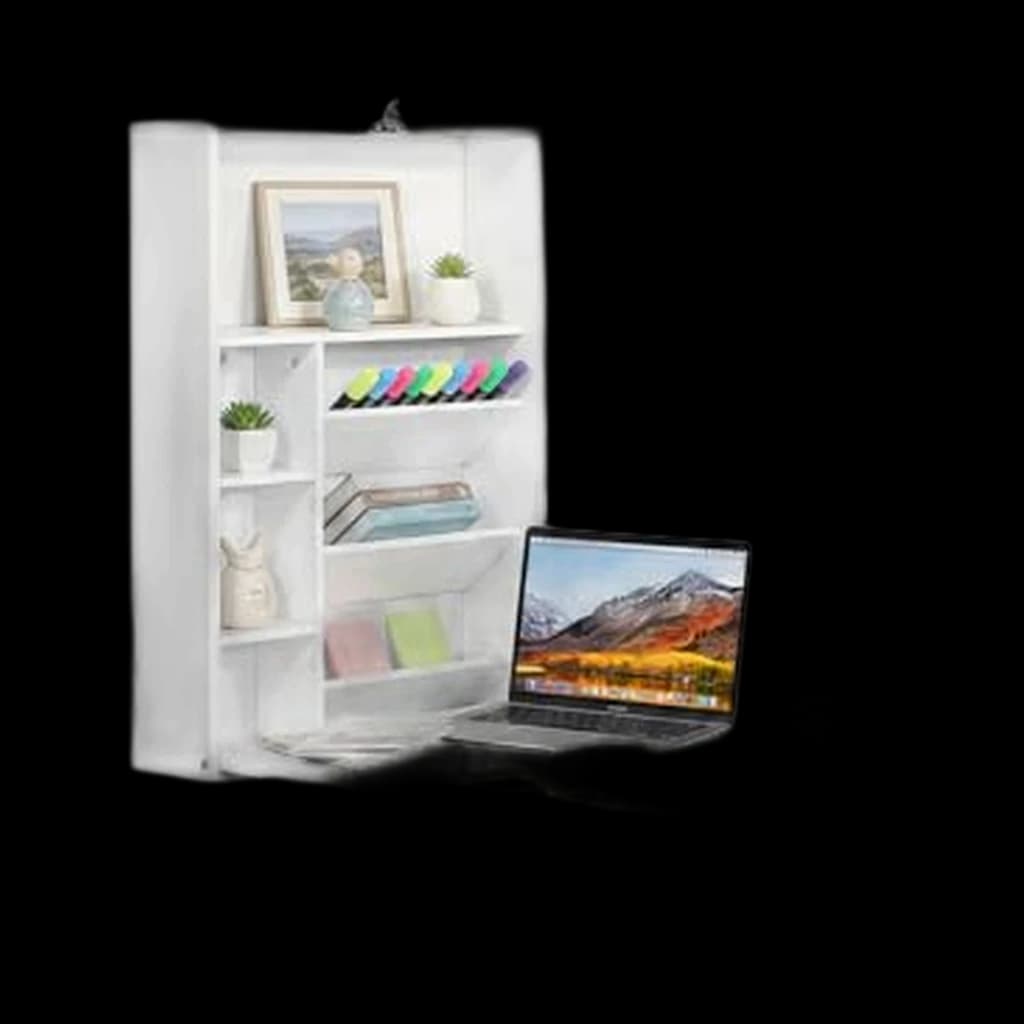
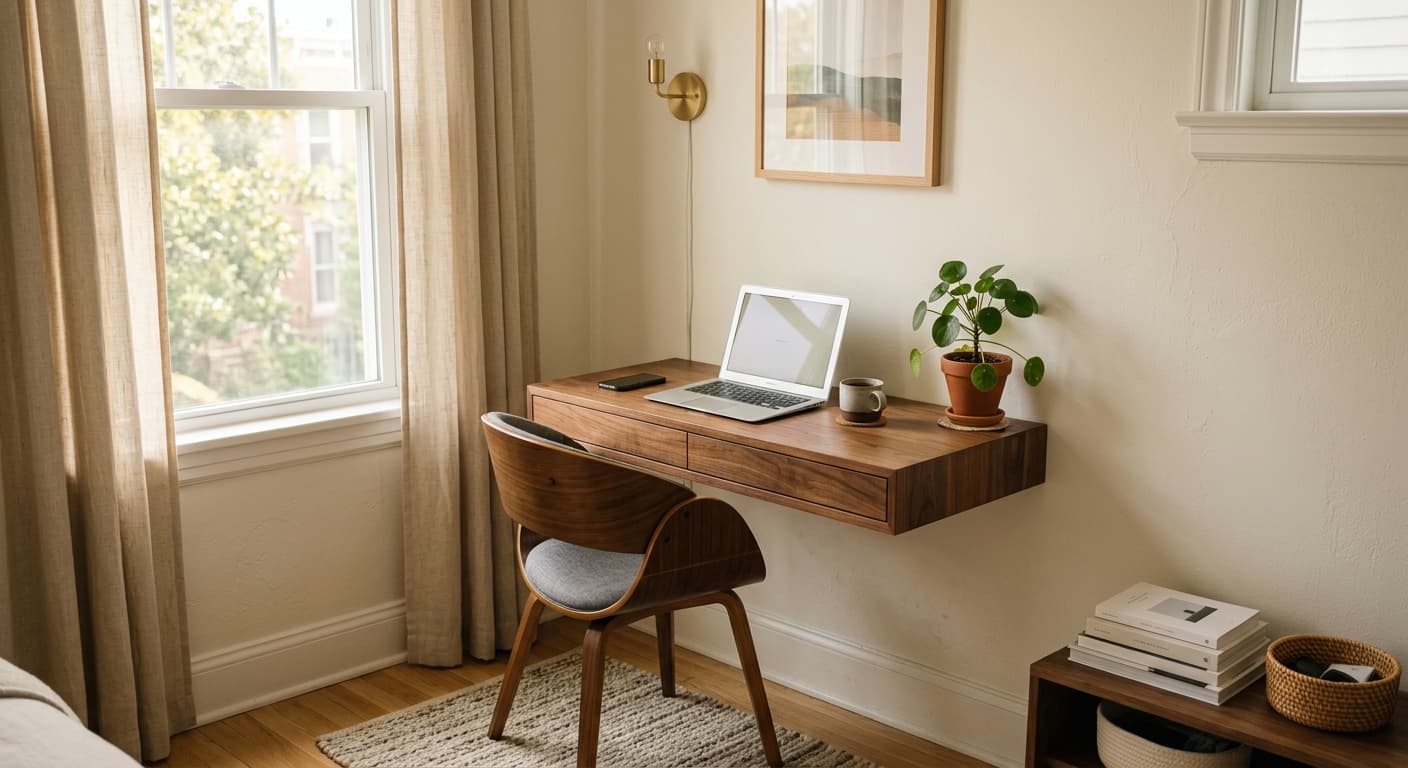
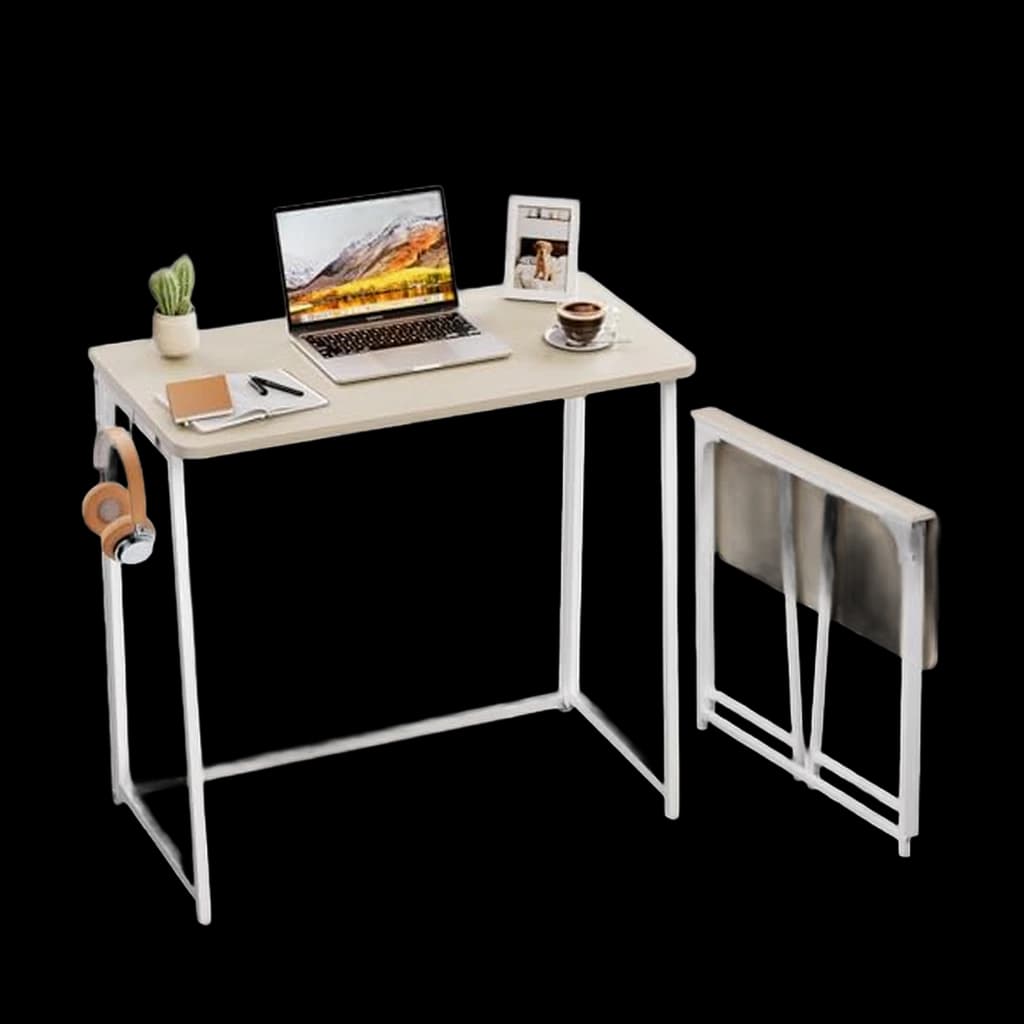
If it cannot, the second decision is free-standing versus wall-mounted. A free-standing folder like the WOHOMO needs nothing from the wall: it folds to under three inches and leans behind a door. A wall-mounted fold-down needs the right wall. The Tangkula's own listing says not to install it on drywall, plasterboard, hollow-core or panelling, and the recurring advice in r/DIY and r/HomeImprovement threads about wall desks is the same for every brand: screw into studs, and if you must use anchors, use rated toggle bolts rather than the plastic plugs in the bag. Renters who cannot find studs, or cannot drill at all, should stop reading the wall-mounted rows.
Third is stability once it is open. Wirecutter's small-desk guidance is to look specifically for whether a folding desk's legs lock in place, and owner feedback here bears that out: the WOHOMO's buckle lock and corner braces are why it is praised for sturdiness at 15 pounds, while the cheaper wall bracket's weak point is the hardware it ships with. Cornell's first rule for a computer workstation is simply a surface that does not wobble.
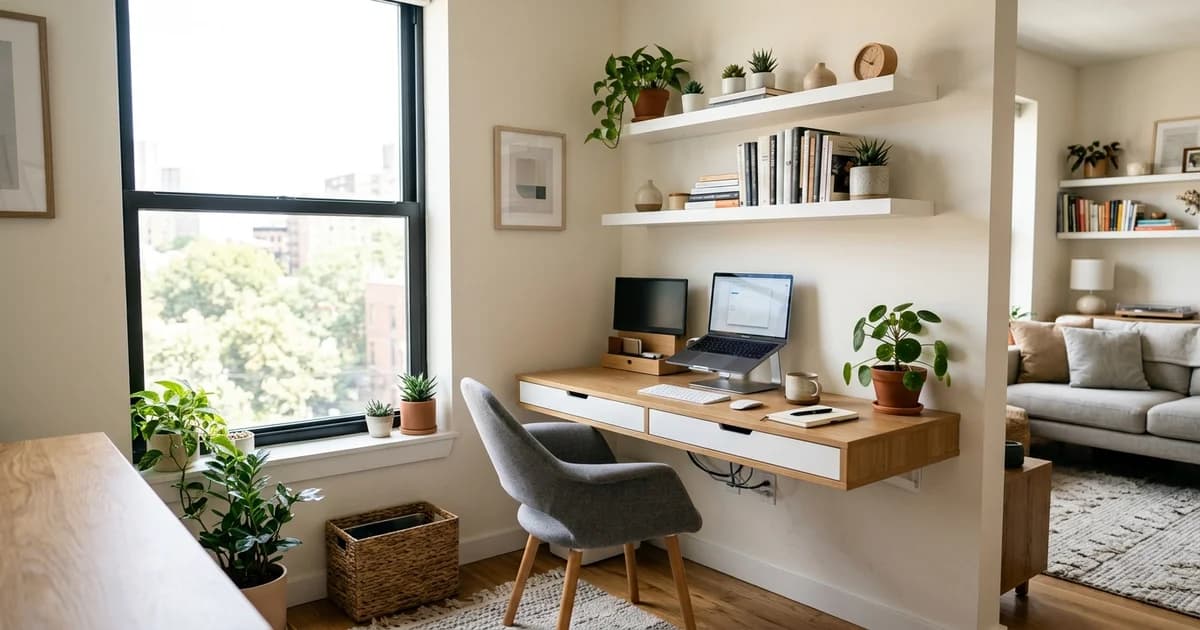
Finally, depth. OSHA's desk guidance is a monitor at least 20 inches from your eyes, directly in front of you. Every fold-away and wall-mounted pick here is about 15.75 inches deep, which is a laptop station: the screen sits close and low, and Cornell's laptop tips are explicit that full-time laptop work needs the screen raised and an external keyboard. On a 15.75-inch top the honest fix is a monitor arm clamped to the back edge, or accepting that this is a part-time surface. The corner desks are how OSHA suggests buying depth back without buying width - a corner run gives more room for a larger monitor than the same wall length in a straight desk.
We research these from manufacturer listings, published ergonomics guidance and aggregated owner feedback. We do not load-test furniture, so where a capacity or dimension is the maker's figure this page says so.
 1
1