Best Headphones for Flights and Offsites in 2026
The Sony WH-1000XM6 is the pair to buy if you fly for work and take calls on the road — top-tier cancellation, enough battery for a long-haul plus the day after, and a microphone good enough to skip a separate headset. Take the WH-1000XM5 to save money, or the Bose QuietComfort Ultra if comfort over very long flights is the priority.
Quick Answer
Work travel asks headphones to do two different jobs: cancel steady low-frequency engine drone for hours, and carry a video call clearly. The Sony WH-1000XM6 is the best all-rounder at both, the WH-1000XM5 is the value pick with a barely noticeable gap, and the Bose QuietComfort Ultra wins on long-wear comfort. Prioritise battery life against your longest flight and comfort at hour six — codec support and peak fidelity are inaudible over an aircraft cabin.
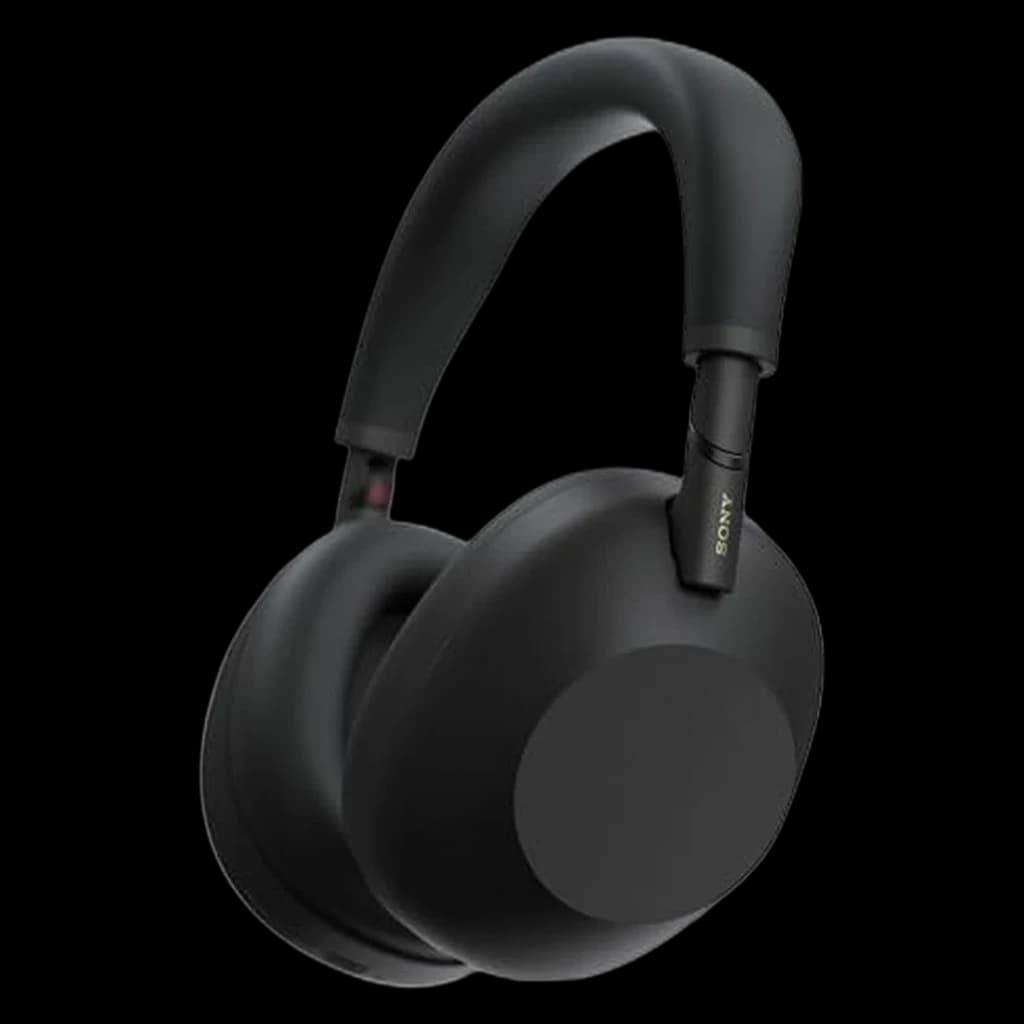 #1 4.2 | 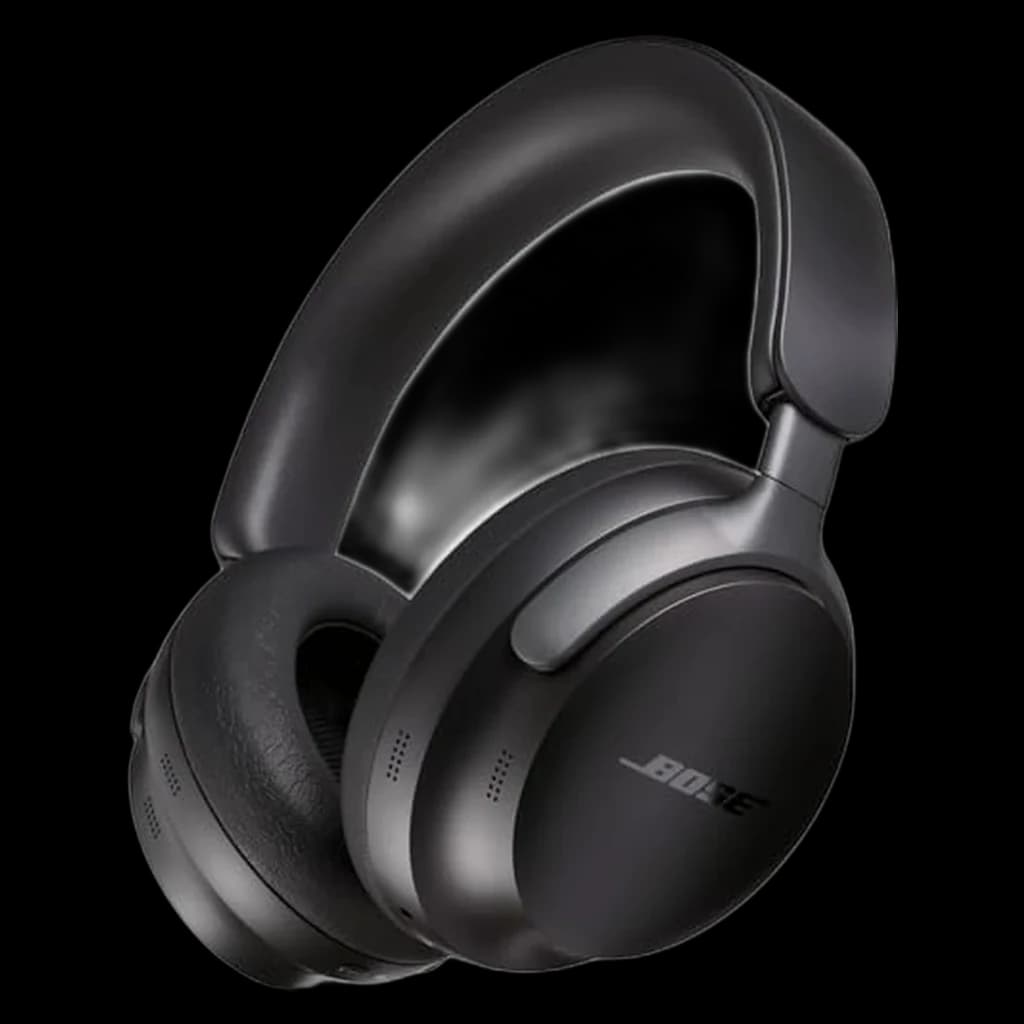 #2 4.2 | 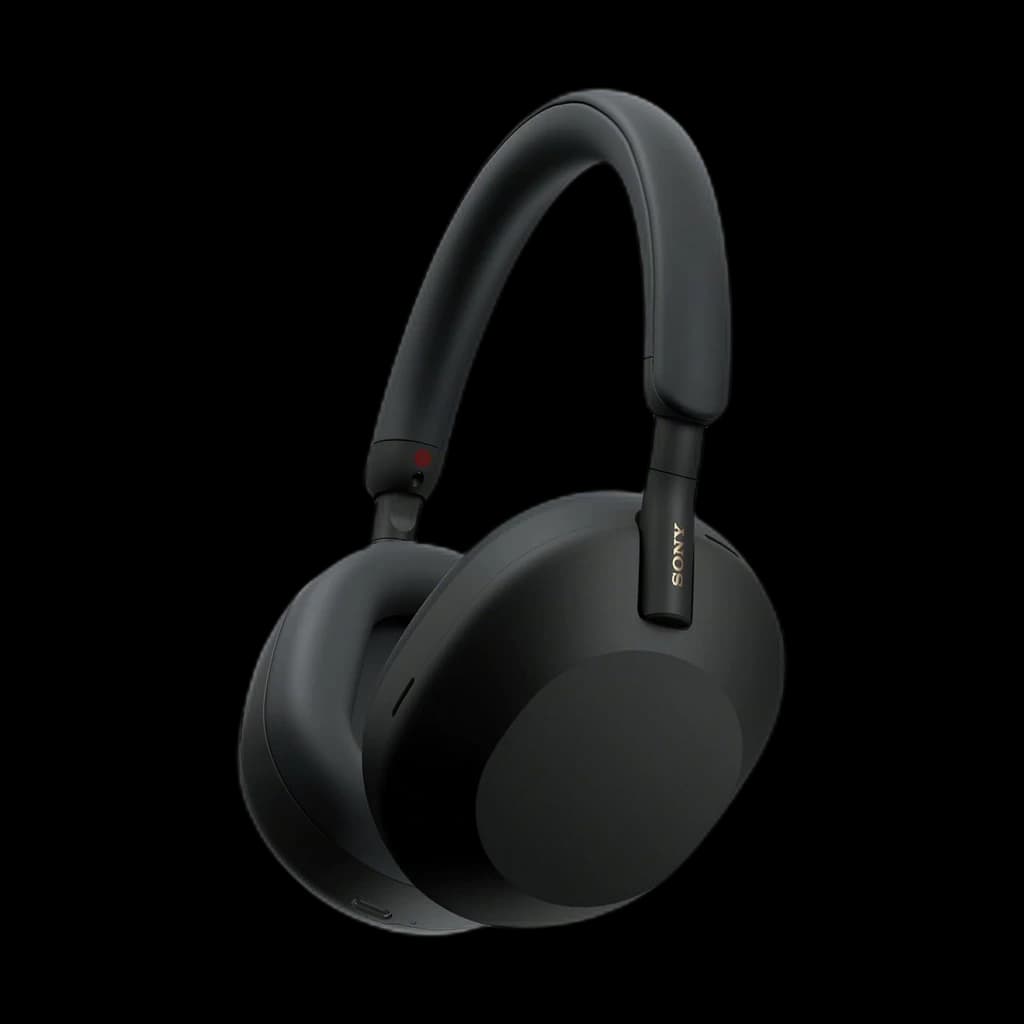 #3 4.2 | |
|---|---|---|---|
| Price | $398Buy on Amazon | $329Buy on Amazon | $298Buy on Amazon |
| Verdict | The strongest all-rounder for work travel — top-tier cancellation, battery that covers a long-haul plus the day after, and a microphone good enough to skip a separate headset. | The comfort pick for very long flights — Bose's advantage is that you stop noticing they are on, which is exactly what matters at hour six. | The value pick — the previous generation, where the capability gap is small and the price gap is not. Nothing here is a compromise you notice at altitude. |
| Buyer sentiment | Sound Quality Noise Cancellation Battery Life Value for money Durability Buyers praise sound quality, noise cancellation and battery life. Mixed feedback on connectivity and fit. Some flag value for money and durability. Based on 1,880 user mentions | Sound Quality Noise Cancellation Value for money Reliability Connectivity Buyers praise sound quality and noise cancellation. Mixed feedback on quality and comfort. Some flag value for money and reliability. Based on 4,302 user mentions | Noise Cancellation Battery Life Value for money Durability Connectivity Buyers praise noise cancellation and battery life. Mixed feedback on sound quality and comfort. Some flag value for money and durability. Based on 7,465 user mentions |
| Type | Over-ear | Over-ear | Over-ear |
| Wired mode | Yes | Yes | Yes |
| Best for | Both jobs | Long-haul comfort | Value |
| Pros |
|
|
|
| Cons |
|
|
|
* Prices checked Sep 12, 2026 and may vary. Check the latest price on Amazon.
We research — never hands-on. How we research →
Key Takeaways
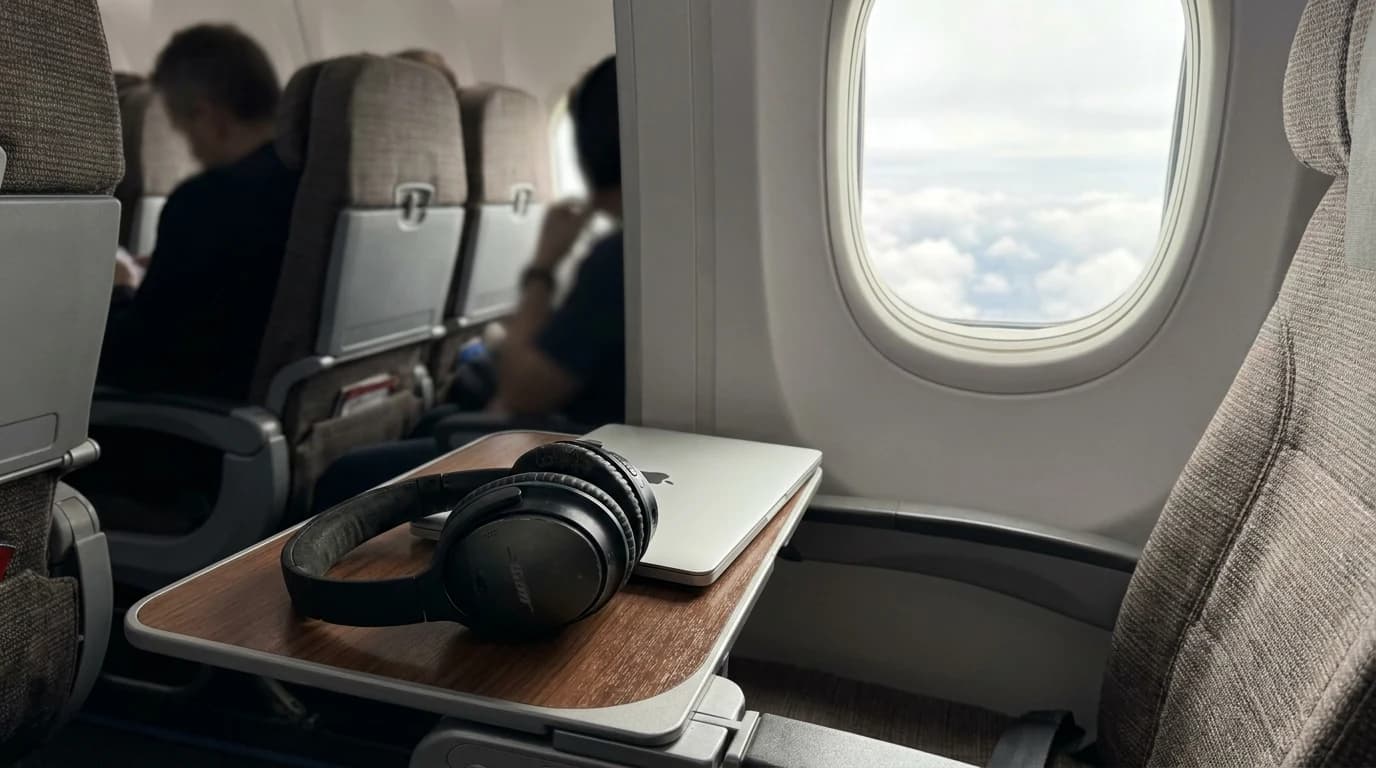
Work travel asks one pair to cancel engine drone for hours and carry a meeting. The three that do both, and the specs that stop mattering at altitude.
As an Amazon Associate I earn from qualifying purchases. Product prices and availability are subject to change.
Work travel asks one pair of headphones to do two unrelated jobs. On the plane they need to cancel a constant low-frequency engine drone for hours at a time. In the meeting they need a microphone good enough that nobody asks you to repeat yourself.
Most headphones are clearly better at one than the other, and the marketing rarely tells you which.
The two jobs, scored
| What you need it for | What actually matters | Where cheap sets fail |
|---|---|---|
| Long-haul flight | Low-frequency cancellation, comfort, battery | Cancellation collapses below the drone |
| Video call in a hotel | Microphone clarity, sidetone | Voice sounds thin and distant |
| Open-plan offsite | Mid-frequency cancellation of voices | Voices cut through far more than engines |
| Focus work | Passive isolation and comfort | Clamping force becomes painful |
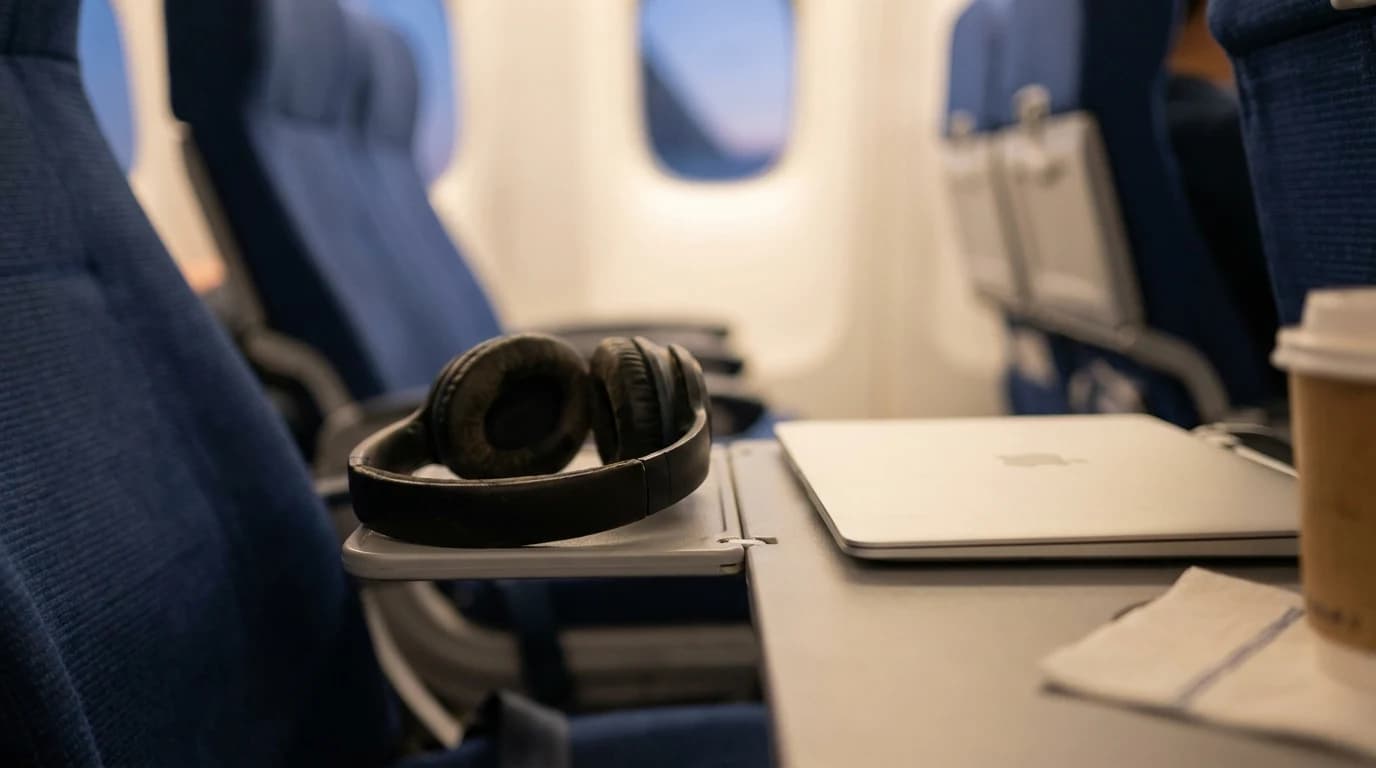
The distinction that matters: noise cancellation is far better at steady low-frequency sound than at speech. That is why a set that silences an aircraft cabin can still let a nearby conversation through — the engine is predictable and the conversation is not.
The picks
Best overall: Sony WH-1000XM6
Buy on Amazon · $398The strongest all-rounder for someone doing both jobs. Cancellation is at the top of the category, the battery comfortably covers a long-haul flight plus the working day at the other end, and call quality is good enough that it does not need a separate headset. If you buy one pair for work travel, this is it.
Best value: Sony WH-1000XM5
Buy on Amazon · $298The previous generation, and the reason it stays on this list is that the gap is small and the price gap is not. Cancellation and battery remain excellent. If you would rather spend the difference on the rest of the trip, nothing here is a compromise you will notice at 35,000 feet.
Best comfort for long wear: Bose QuietComfort Ultra
Bose's long-standing advantage is that you stop noticing they are on, which is exactly the property that matters on a twelve-hour flight. Cancellation is class-leading on steady drone in particular. The trade is a slightly less flexible feature set than the Sony pair.
What to ignore
What genuinely changes the trip:
- Battery life measured against your actual longest flight
- Comfort at hour six rather than minute six
- Microphone quality, if you take calls away from a desk
- A wired option for seat-back entertainment systems
What matters less than the reviews suggest:
- Codec support, which is inaudible over cabin noise
- Peak audio fidelity in a place with an 80-decibeldBDecibels — a logarithmic measure of sound pressure. Quiet office ~40 dB, normal speech ~60 dB, loud cafe ~75 dB. Active noise cancellation typically removes 20-30 dB of low-frequency rumble (HVAC, traffic), not voices. noise floor
- Spatial audio features, which drain battery for a novelty
- Case size, unless your bag is genuinely full
Why in-ear versus over-ear is a real decision
Over-ear sets cancel low frequencies better and are more comfortable over long periods, which suits flying. In-ear sets are smaller, disappear into a bag, and are easier to wear under a hood or in a warm cabin. For pure work travel, over-ear is usually the right answer — the flight is the hard part of the trip, and that is where over-ear wins.
The airline-adapter question
Many aircraft seat-back systems still use a wired socket, and some older long-haul fleets use a twin-pin variant. A set with a wired option and a small adapter covers this; a Bluetooth transmitter that plugs into the seat is the alternative if your headphones have no wired mode at all.
Cancellation is not silence
No headphone removes a crying child or a nearby conversation the way it removes engine noise. Expecting it leads to disappointment with an otherwise excellent product. What good cancellation reliably does is remove the exhausting constant drone, which is most of why flights are tiring.
Are noise-cancelling headphones worth it for flying?
For anything beyond a short hop, yes — steady engine drone is exactly the kind of sound cancellation handles best, and removing it is a large part of why you arrive less tired. What they will not do is silence speech or sudden noises, which is a different acoustic problem.
Can I use one pair for both flights and video calls?
Yes, and it is the sensible approach for work travel. Modern flagship sets have microphones good enough for meetings, which removes the need to carry a separate headset. Check call quality specifically, though — it is the spec most reviews cover least.
Do I still need a wired connection?
It is worth having. Some aircraft entertainment systems are wired-only, Bluetooth can be unreliable in crowded cabins, and a wired mode lets you keep listening when the battery is gone.
Sources
- CDC NIOSH — Noise and hearing loss prevention (exposure guidance relevant to sustained cabin noise)
- FAA — Portable electronic devices (rules governing Bluetooth device use in flight)
Hilly Shore Labs
Editorial TeamWFH Lounge is published by Hilly Shore Labs. Every recommendation is built by synthesizing ergonomic research, manufacturer specs, expert reviews from outlets like Wirecutter, RTINGS, and The Verge, and aggregated long-term owner sentiment from thousands of verified buyers.
All product reviews are independently researched. Our recommendations are based on ergonomic guidelines, manufacturer specifications, and verified buyer sentiment. See our methodology.