Power Banks You Can Actually Fly With (100Wh Rule)
Every bank here clears the 100 Wh airline threshold, so the choice comes down to output rather than legality. The Anker 737 is the one to carry if a laptop has to charge at full speed; the Anker Prime 27,650 is as large as a power bank can legally get; the INIU is the value pick. Whichever you take, it flies in the cabin.
Quick Answer
Airlines rate power banks in watt-hours, not milliamp-hours, and the threshold is 100 Wh — convert with mAh ÷ 1,000 × 3.6. A 20,000 mAh bank is about 72 Wh and a 27,650 mAh bank about 99.5 Wh, so every laptop-class power bank on this page boards without airline approval. All of them must travel in the cabin: spare lithium batteries are never allowed in checked baggage, on any length of flight.
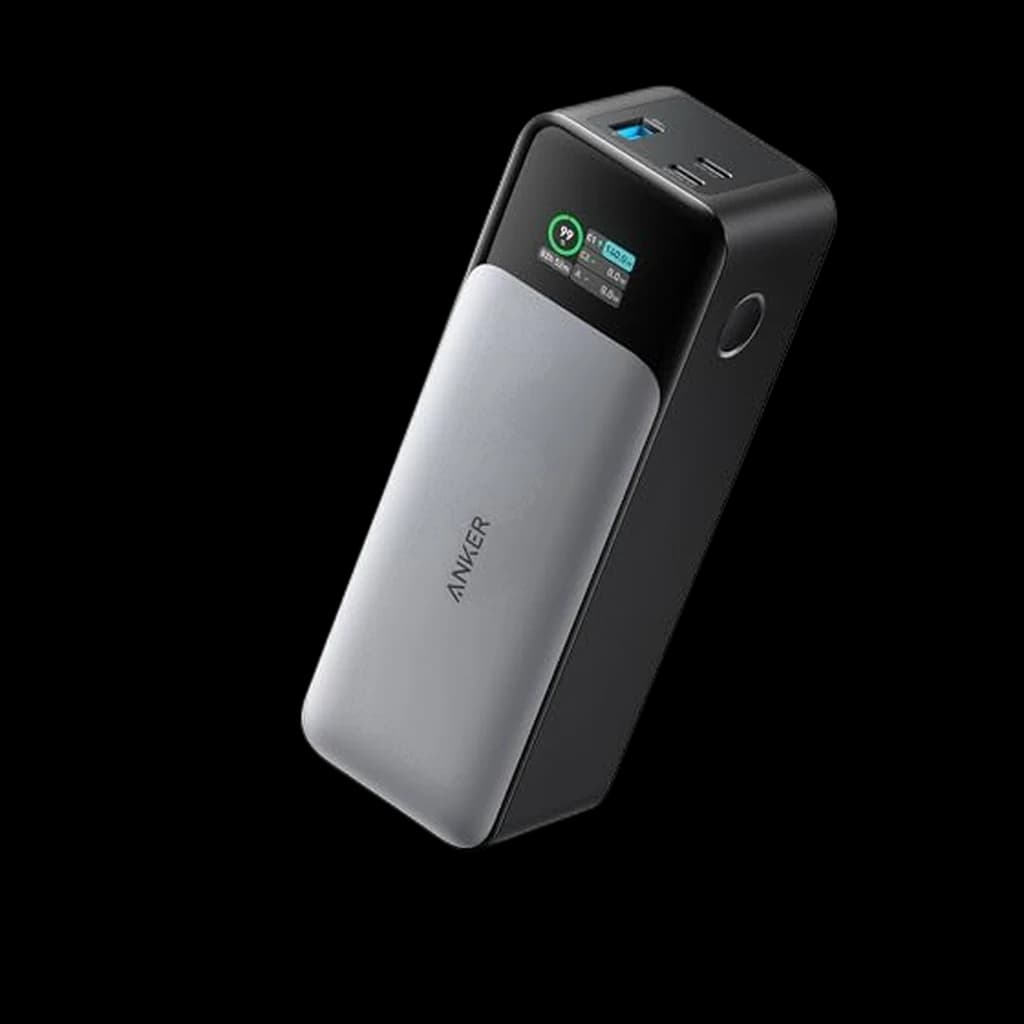 #1 4.4 | 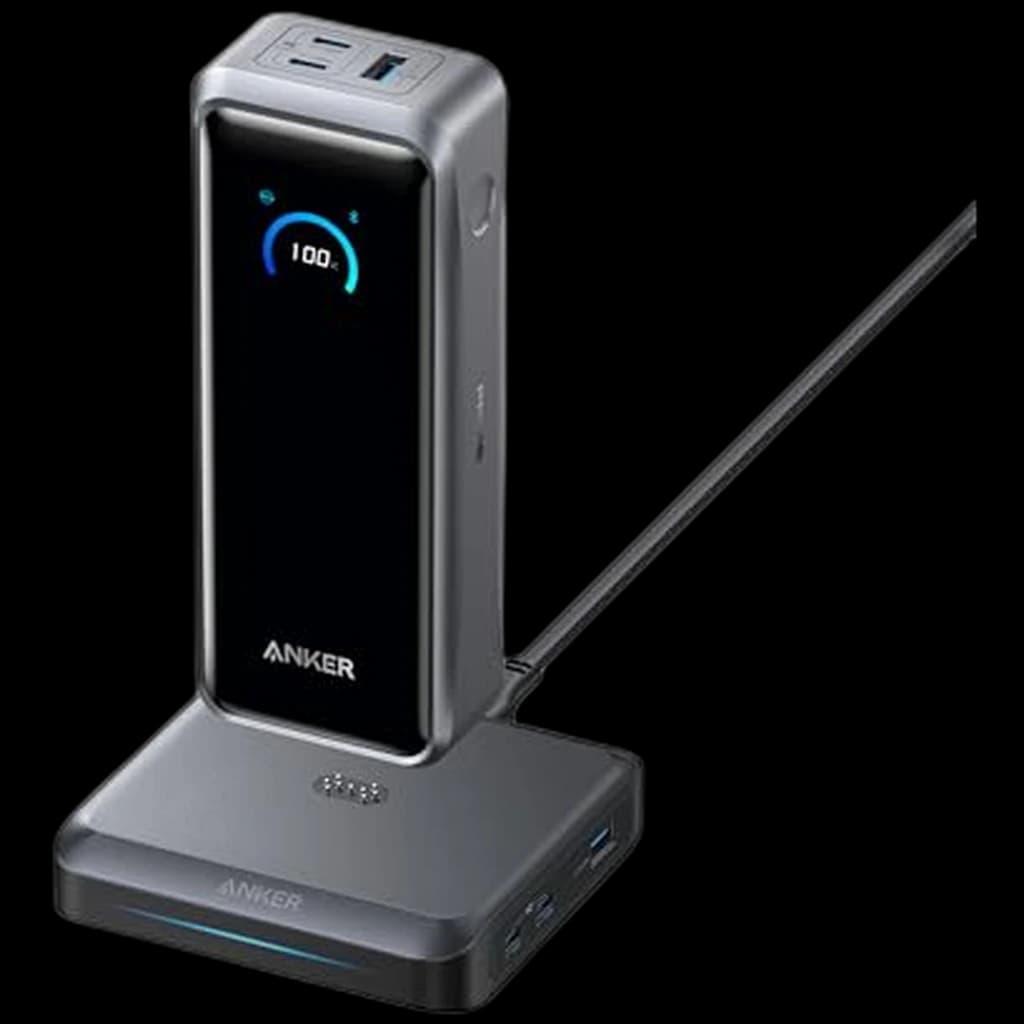 #2 4.7 | 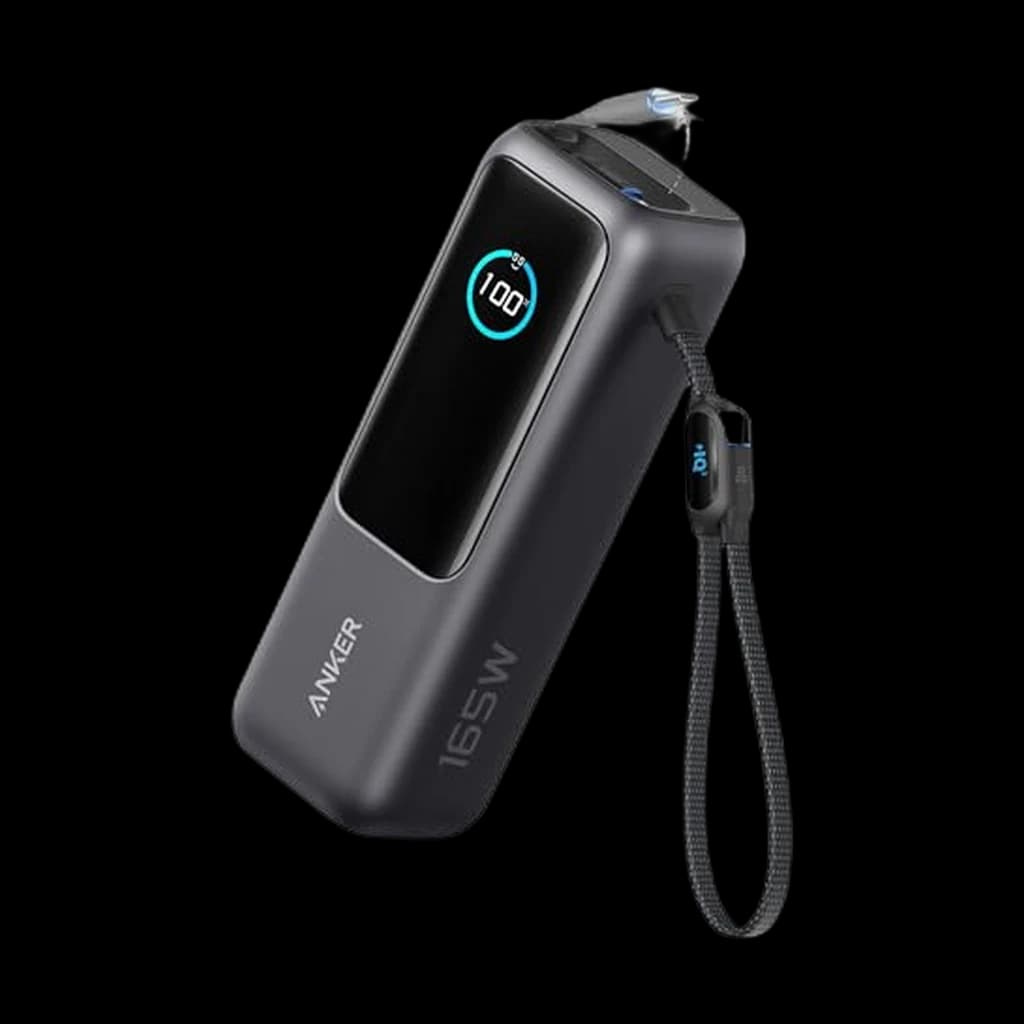 #3 4.5 | 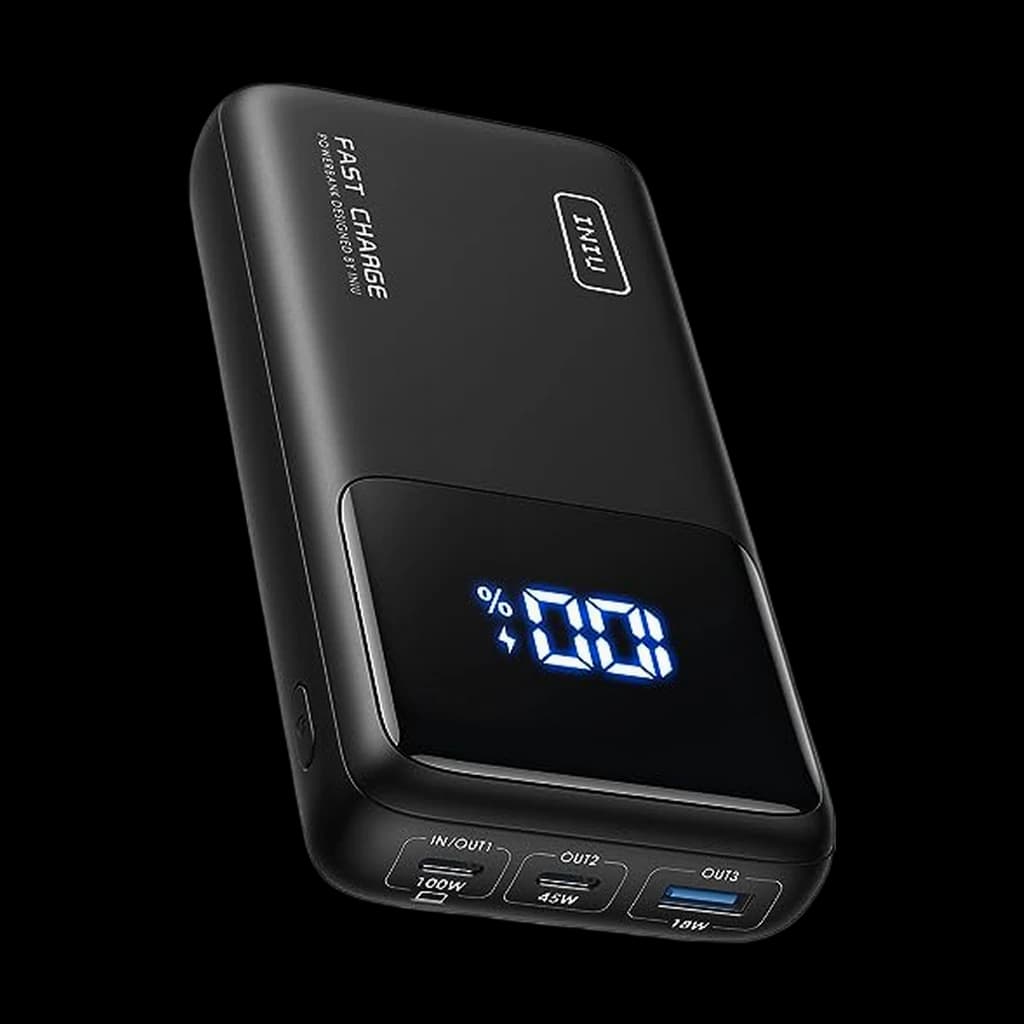 #4 4.3 | 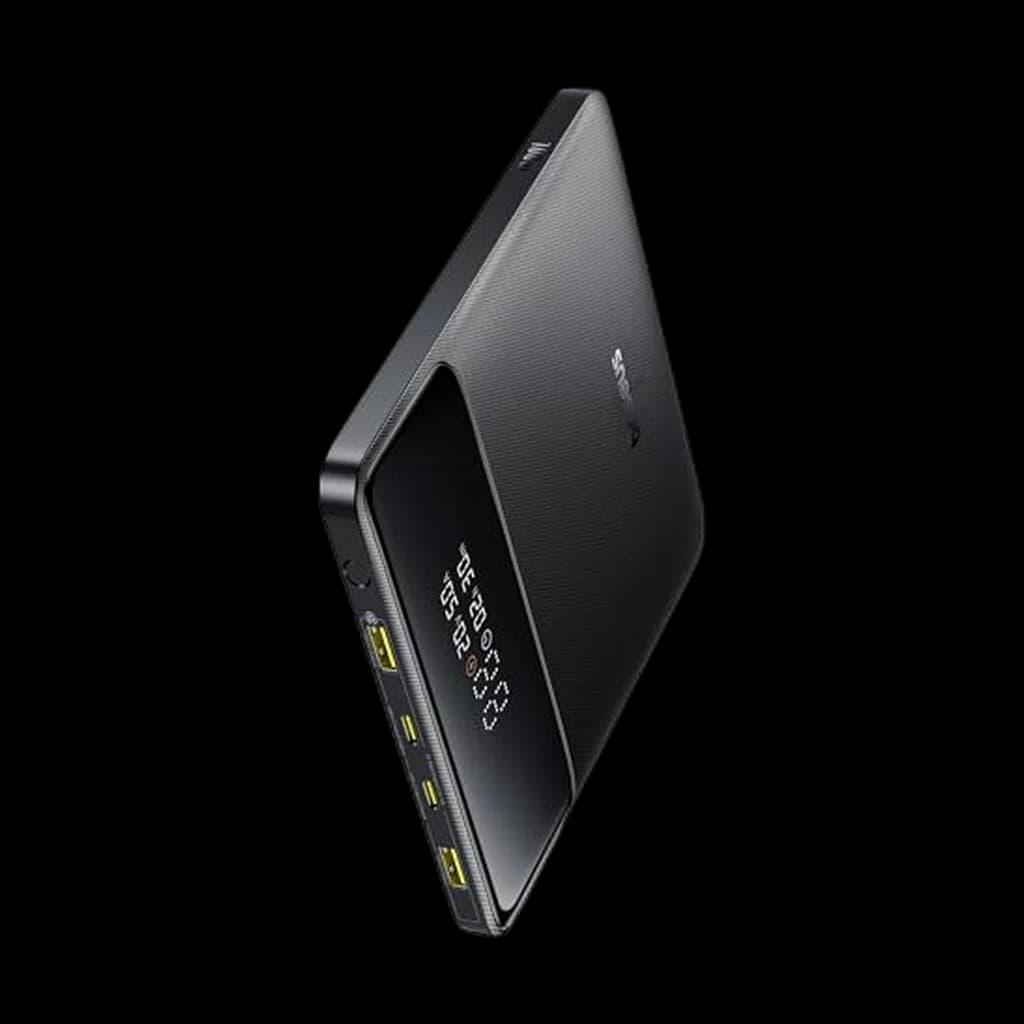 #5 4.4 | 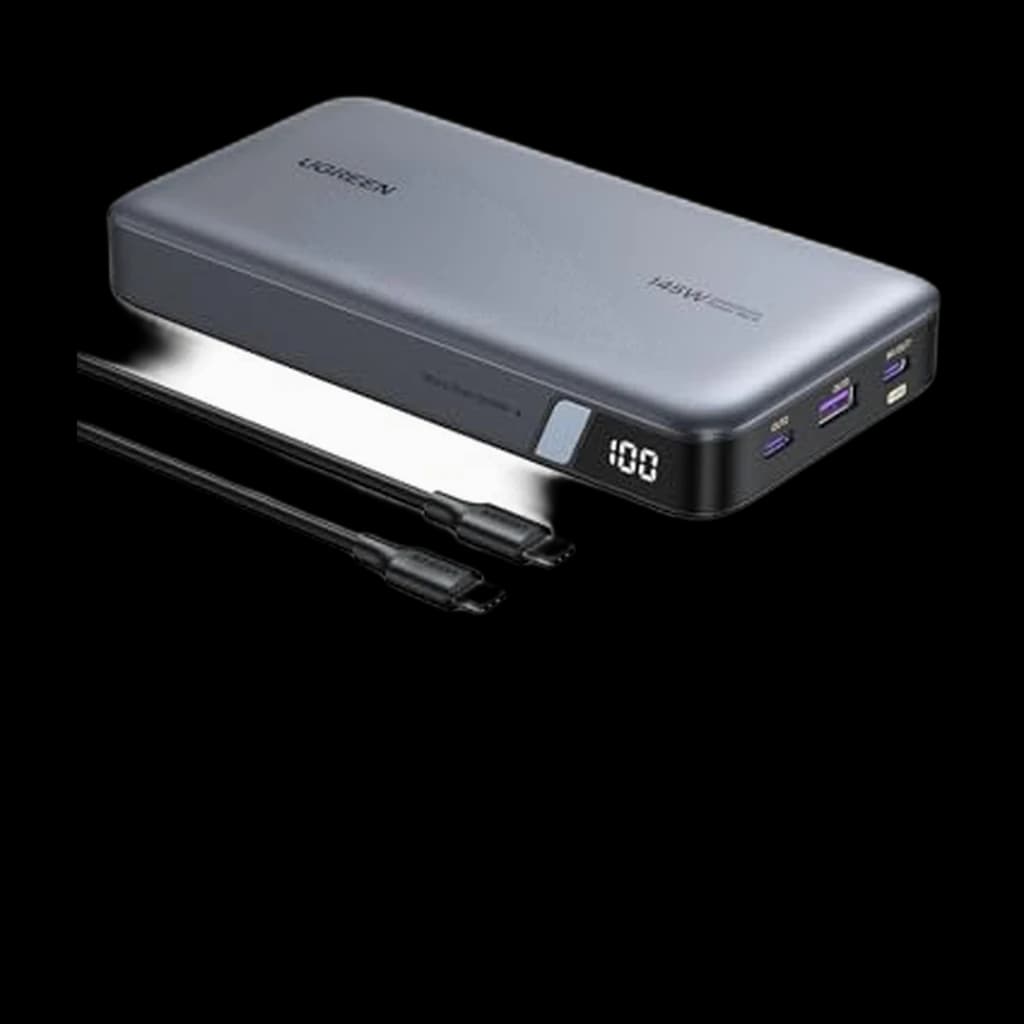 #6 4.4 | |
|---|---|---|---|---|---|---|
| Price | $109.99Buy on Amazon | $329.99Buy on Amazon | $104.99Buy on Amazon | $59.99Buy on Amazon | $59.99Buy on Amazon | $109.99Buy on Amazon |
| Verdict | The one to carry when the laptop has to charge at full desk speed — high wattage both ways, and a display that tells you what it is actually doing. | The biggest bank here that still boards without airline approval — 94.5Wh sits just under the FAA 100Wh carry-on ceiling. | Built-in retractable USB-C cable, which removes the single most commonly forgotten item on a work trip. | Laptop-capable charging at a fraction of the flagship price — the value pick, and the compromises are ones a short trip will not notice. | Flat rather than cylindrical, which is the difference between a bank that slides into a laptop sleeve and one that does not. | The multi-device pick — enough total output to keep a laptop, a phone and headphones going at once without arbitrating between them. |
| Buyer sentiment | Performance Display Portability Power Battery Life Weight Buyers praise performance, display, portability and power. Mixed feedback on charging speed and charging capability. Some flag battery life and weight. Based on 4,147 user mentions | Charging speed Battery quality Reliability Value for money Buyers praise charging speed, battery quality, reliability and value for money. Based on 578 user mentions | Portability Charging Capacity Built-In Cable Weight Durability Buyers praise portability, charging capacity and built-in cable. Mixed feedback on charging speed and reliability. Some flag weight and durability. Based on 2,964 user mentions | Performance Charging Capacity Size Weight Buyers praise performance, charging capacity and size. Mixed feedback on charging speed and battery life. Some flag weight. Based on 2,095 user mentions | Charging Speed Quality Portability Buyers praise charging speed, quality and portability. Mixed feedback on reliability and size. Based on 302 user mentions | Quality Power Output Portability Battery Life Weight Buyers praise quality, power output and portability. Mixed feedback on charging speed and value for money. Some flag battery life and weight. Based on 794 user mentions |
| Watt-hours | 86 Wh | 94.5 Wh | 90 Wh | 90 Wh | 72 Wh | 90 Wh |
| Airline limit | Under 100 Wh | Under 100 Wh | Under 100 Wh | Under 100 Wh | Under 100 Wh | Under 100 Wh |
| Packing | Carry-on only | Carry-on only | Carry-on only | Carry-on only | Carry-on only | Carry-on only |
| Pros |
|
|
|
|
|
|
| Cons |
|
|
|
|
|
|
* Prices checked Sep 12, 2026 and may vary. Check the latest price on Amazon.
We research — never hands-on. How we research →
Key Takeaways
Airlines measure power banks in watt-hours, not mAh, and the limit is 100 Wh. The conversion, the rules, and six laptop banks that all board legally.
As an Amazon Associate I earn from qualifying purchases. Product prices and availability are subject to change.
Every power bank in a carry-on is governed by one number, and it is not the one printed largest on the box. Airlines do not care about milliamp-hours. They care about watt-hours — and the limit is 100.
The good news is that almost every power bank sold for laptops sits under it. The bad news is that nothing on the packaging tells you that in the units security actually uses, so people either guess or find out at the checkpoint.
The rule, in plain terms
The FAA treats a power bank as a spare lithium battery. Three thresholds apply:
| Capacity | Carry-on | Checked | Airline approval |
|---|---|---|---|
| Up to 100 Wh | Yes | No | Not needed |
| 101-160 Wh | Yes, max 2 spares | No | Required |
| Over 160 Wh | Not permitted | No | N/A |
Rule of thumb: milliamp-hours ÷ 1,000 × 3.6 = watt-hours. A 20,000 mAh bank is about 72 Wh. A 25,000 mAh bank is about 90 Wh. A 27,650 mAh bank is about 99.5 Wh — just under the line, which is not an accident.
That last figure explains an oddity you may have noticed: laptop power banks cluster suspiciously close to 27,000 mAh and then stop. Manufacturers are building right up to the airline limit and no further, because a bank you cannot board with is a bank nobody buys.
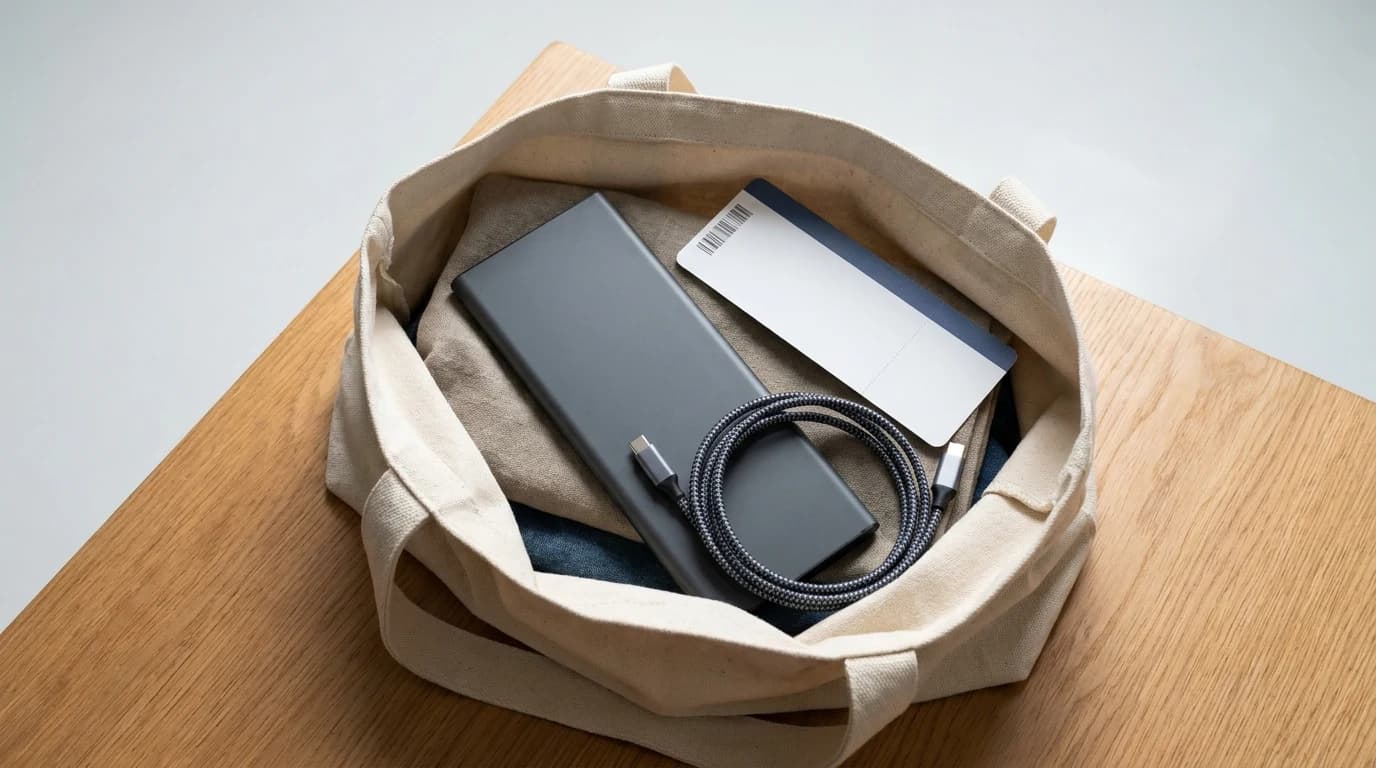
The picks, and their watt-hours
Every bank in the table below is under the 100 Wh threshold, so all of them board without approval. What separates them is output, not legality.
Best overall for a laptop: Anker 737
The one to carry if the laptop has to charge as fast as it does at a desk. High wattage in both directions, and a display that tells you what it is actually doing rather than four ambiguous dots.
Highest capacity that still boards: Anker Prime 26,250
The interesting one. At 94.5 Wh it sits just under the 100 Wh ceiling, so it boards without airline approval while carrying more energy than anything else here. The 300 W combined output is the other reason to pick it — it will run a laptop and keep a tablet and phone topped up at the same time.
Best value: INIU 100W
Laptop-capable charging at a fraction of the flagship price. The compromise is charge speed into the bank itself and build finish, neither of which matters much on a three-day trip.
Slimmest for a laptop bag: Baseus Blade
Flat rather than cylindrical, which is the difference between a bank that slides into a laptop sleeve and one that does not. Lower capacity than the others, and correspondingly the lightest.
What people get wrong
What actually matters:
- Watt-hours, because that is the boarding rule
- Output wattage, because a laptop needs meaningfully more than a phone
- Whether it can charge and discharge at once, for overnight in a hotel
- Cabin-only packing, every single time
What matters less than the box implies:
- Milliamp-hours as a headline, since it is the wrong unit for both airlines and laptops
- Port count beyond two or three
- Fast-recharge claims, which describe refilling the bank rather than your laptop
Why checked baggage is a hard no
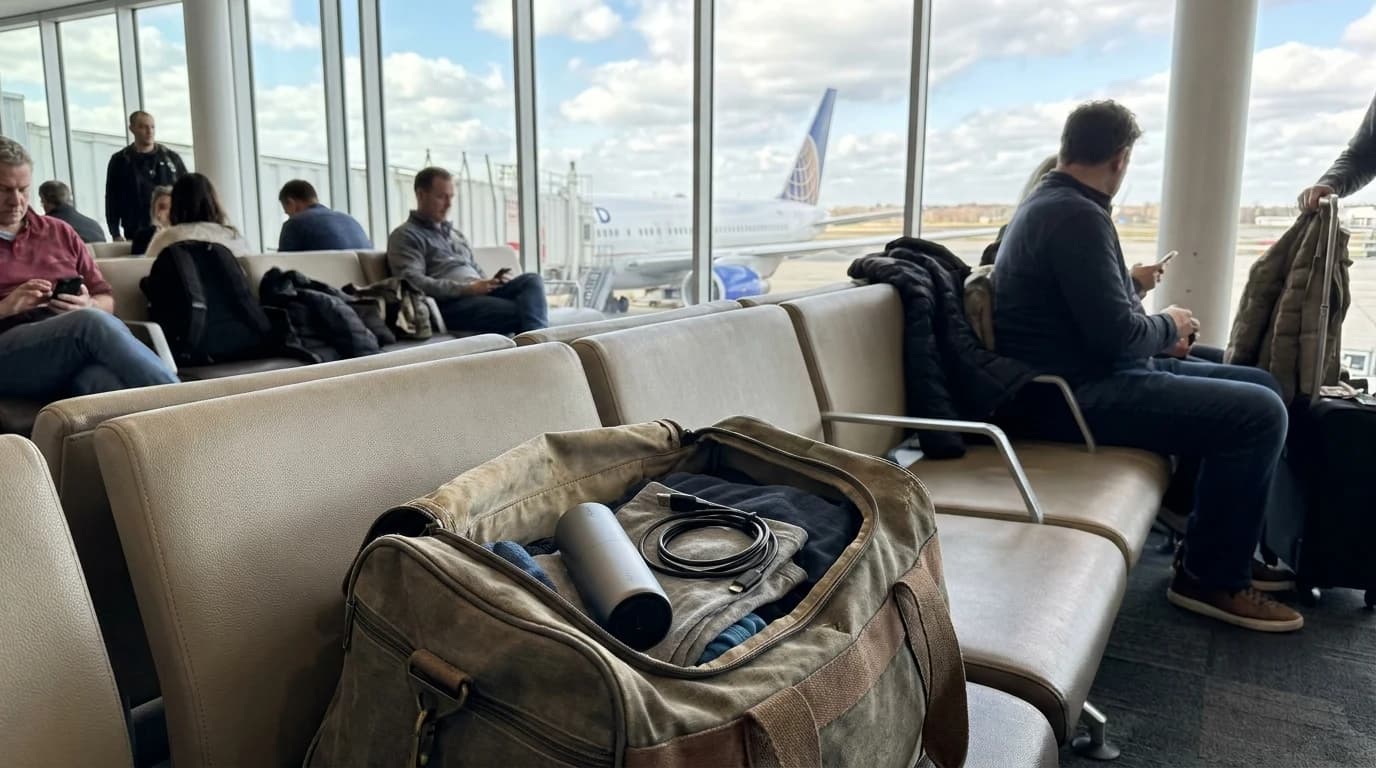
A spare lithium battery in the hold is unreachable if it fails. The prohibition exists because a fire in the cabin can be dealt with and a fire in the hold largely cannot. This applies to every power bank regardless of capacity, including small phone-sized ones.
What happens if you are over the line
Between 101 and 160 Wh you need the airline's approval in advance and you are limited to two spares. Above 160 Wh a power bank cannot travel in passenger baggage at all. In practice, consumer power banks above 160 Wh are rare precisely because they would be unsellable to travellers.
Airlines are tightening in-flight use
Several carriers have moved to restrict using or charging power banks during flight, and to require them to be visible rather than in an overhead bin. The capacity rules are the regulator's; the usage rules are increasingly the airline's, so it is worth a glance at your carrier's page before a long-haul.
How do I know my power bank's watt-hours?
Many banks print Wh on the casing in small text near the model number. If yours does not, divide the milliamp-hour rating by 1,000 and multiply by 3.6 — the nominal cell voltage manufacturers rate to. A 20,000 mAh bank works out around 72 Wh, comfortably inside the limit.
Can I bring more than one power bank?
Under 100 Wh each, yes — the FAA rule for that tier does not cap the number of spares for personal use, though individual airlines may. Between 101 and 160 Wh you are limited to two and need approval first.
Can a power bank go in checked luggage if the flight is short?
No. Length of flight makes no difference. Spare lithium batteries, including every power bank, must travel in the cabin.
Sources
- FAA PackSafe — Lithium batteries, spare or uninstalled (100 Wh threshold; 101-160 Wh requires airline approval, limit two; carry-on only)
- TSA — Portable chargers or power banks (permitted in carry-on, prohibited in checked bags)
- IATA — Lithium battery guidance for passengers (watt-hour classification used by carriers)
Hilly Shore Labs
Editorial TeamWFH Lounge is published by Hilly Shore Labs. Every recommendation is built by synthesizing ergonomic research, manufacturer specs, expert reviews from outlets like Wirecutter, RTINGS, and The Verge, and aggregated long-term owner sentiment from thousands of verified buyers.
All product reviews are independently researched. Our recommendations are based on ergonomic guidelines, manufacturer specifications, and verified buyer sentiment. See our methodology.