Why Is My Monitor Pink? Cable, Settings, or a Dying Panel
A pink monitor is usually a cable, a dock or a color setting, not a dead panel. Test in this order, then run the self-test that tells you which it is.
WFH Lounge Blog
Research-backed buying guides, product comparisons, and work-from-home setup advice.
Showing 13–24 of 61 guides tagged #home-office

A pink monitor is usually a cable, a dock or a color setting, not a dead panel. Test in this order, then run the self-test that tells you which it is.

A 3-10 gallon tank beside a monitor is heavier, slower and more electrical than it looks. The cycling wait, the heater math, the weight, the honest upside.

Fridge meal prep runs out by Thursday. The freezer workflow that fixes it: what air does to food, how long lunches keep, and a two-hour Sunday.

Flicker, coating and pixel density are the monitor specs with a real mechanism behind them. What TÜV eye-comfort stars certify, plus a 60-second test.

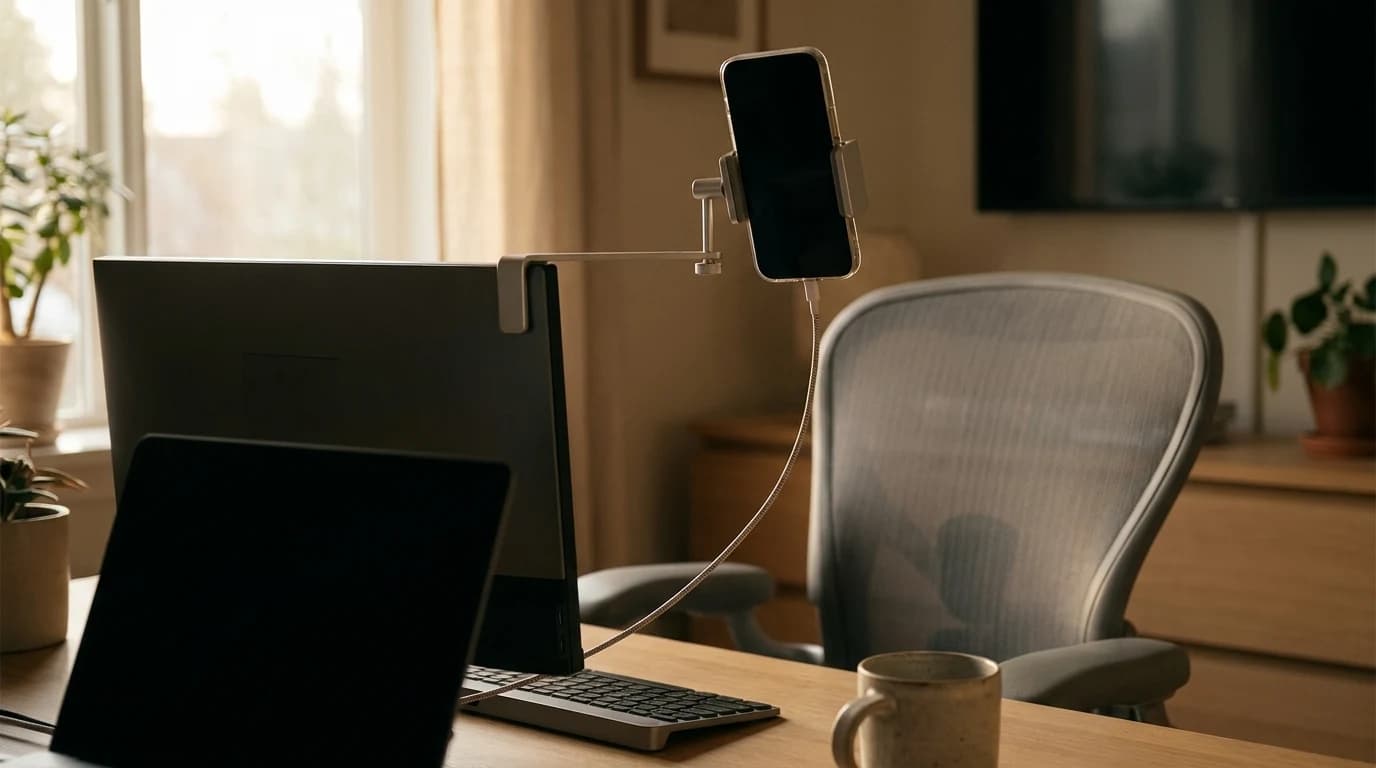
Iriun turns any phone into a webcam on any OS. The setup steps, the free-tier watermark, and the two pairings Apple and Microsoft leave uncovered.

The fridge is ten feet away. What the protein research says about desk snacking at home, plus the label math that spots a fake protein snack.

Bluetooth Classic cannot carry stereo playback and a live microphone at once. Here is the profile switch behind it, and why two common fixes miss.

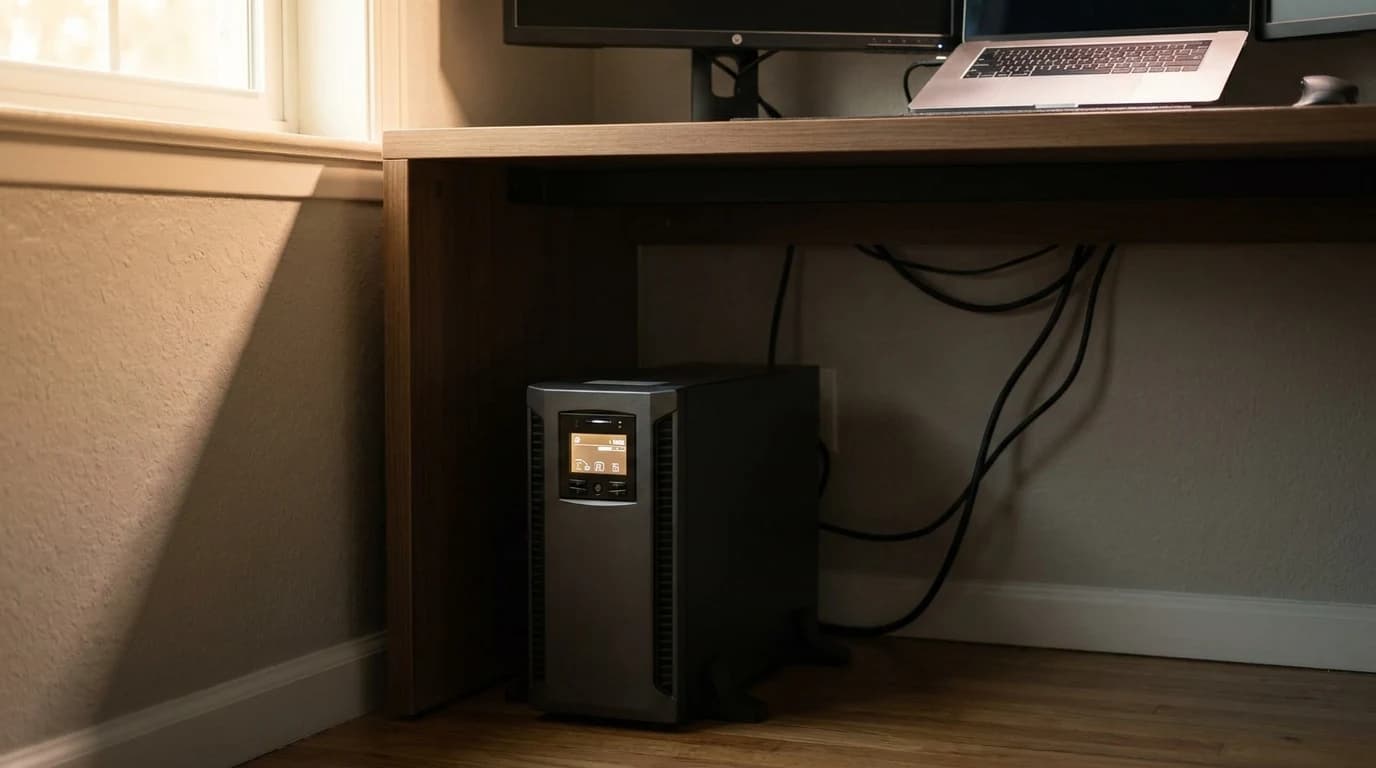
A 1500VA UPS is rated 900 to 1000 watts, not 1500, and its published runtime is only two points: half load and full load. Read both before buying.

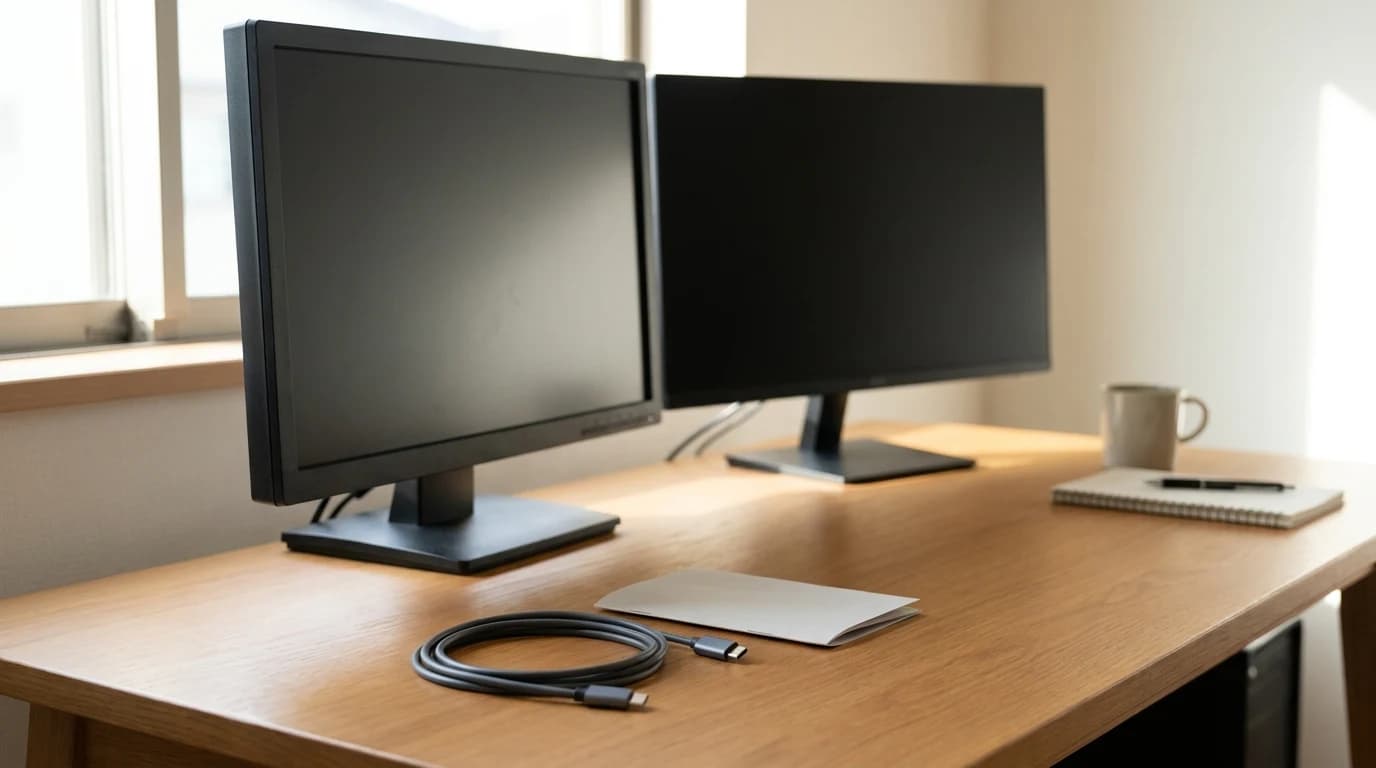
A replacement matches four specs: resolution and aspect, USB-C wattage, hub features and mount. Miss one and you have bought a different monitor.

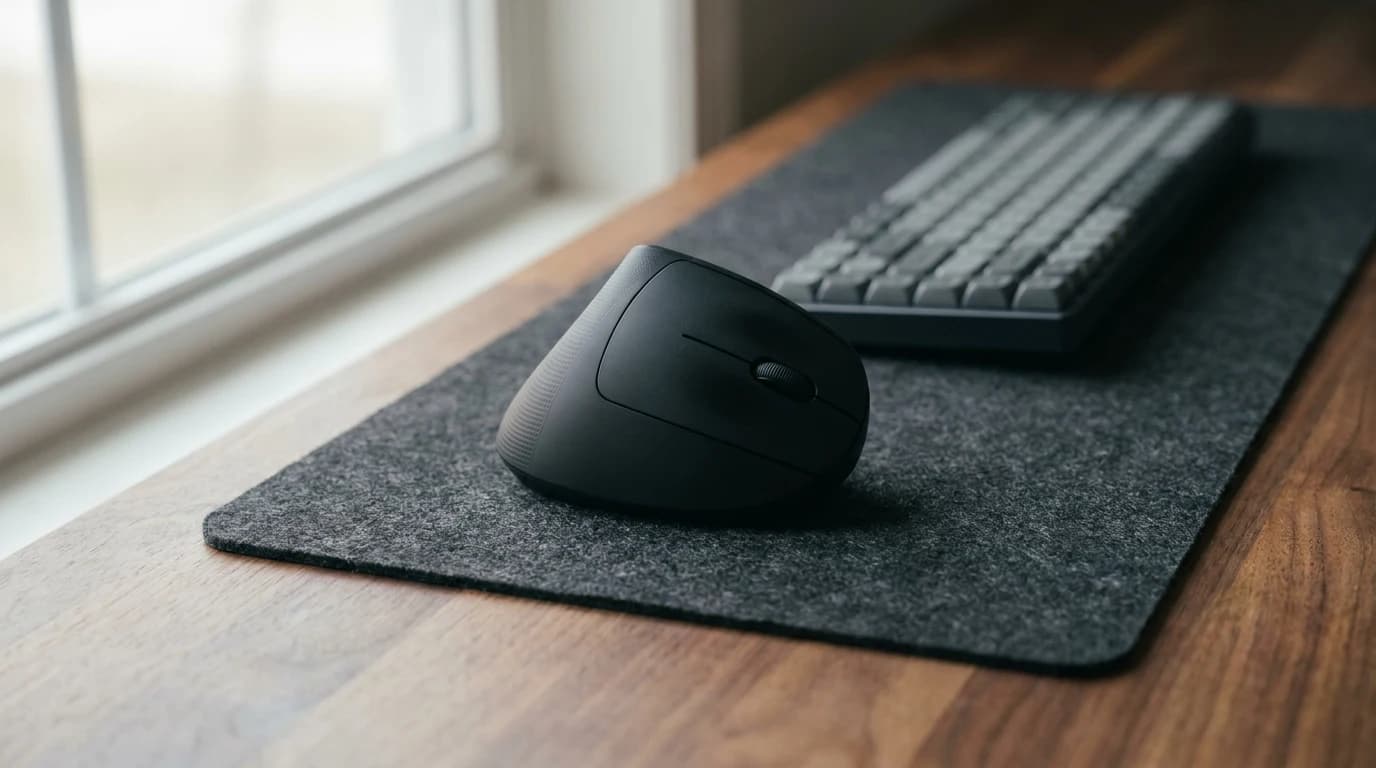
Vertical mice measurably cut forearm pronation and measurably slow you down. Four studies, plus the year-long trial the mouse lost to an arm support.

Windows names the cause in its own error code and a Mac tells you with a green light. The 90-second test that beats restarting your laptop again.

The claim that wrist rests double carpal tunnel pressure traces to no published study. What was actually measured, and where OSHA and Cornell disagree.